It can be frustrating when your garage door sensors suddenly stop lighting up. These sensors are crucial for safety, preventing your door from closing on objects or people. If you’re wondering, “Why are my garage door sensors not lighting up?”, this guide will help you identify common causes and practical solutions in simple steps.
Common Reasons Your Garage Door Sensors Are Not Lighting Up
1. Power Supply Issues
One of the most frequent causes of non-functioning sensors is a problem with the power supply. Sensors typically rely on a continuous 24V DC power source from the garage door opener. If the opener is unplugged, has a blown fuse, or suffers electrical issues, the sensors won’t light up.
Read too: How Do You Change Code On Garage Door Keypad Fast?
Tips to check:
- Ensure the garage door opener is plugged in and switched on.
- Inspect the power cord and outlet for damage or loose connections.
- Reset the opener if it has a built-in circuit breaker.
Statistic: According to a survey by the International Door Association, 35% of sensor malfunctions are caused by simple power issues.
2. Misaligned Sensors
Garage door sensors must face each other directly. Even a slight misalignment can prevent the infrared beam from connecting, causing the sensors to stop lighting up.
How to fix alignment:
- Check that the sensors are at the same height (usually 4–6 inches above the floor).
- Ensure the LED lights on both sensors are facing each other.
- Adjust the brackets until the lights stabilize.
Pro Tip: Some sensors have a green LED indicating alignment. A flickering or off light usually signals misalignment.
3. Dirty or Obstructed Sensors
Dust, cobwebs, or debris can block the infrared beam. Over time, sensors accumulate grime, reducing their effectiveness.
Cleaning steps:
- Use a soft, dry cloth to wipe the sensor lens.
- Avoid harsh chemicals that could damage the sensor surface.
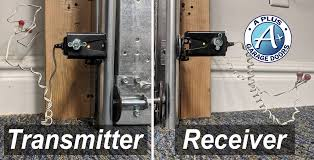
- Check both the transmitter and receiver lenses.
Case Study: A homeowner in Denver reported that cleaning dust off his sensors restored functionality immediately, highlighting how simple maintenance often solves the problem.
4. Faulty Wiring
Damaged or frayed wires can interrupt the signal between the sensors and the garage opener. Check for:
- Cracks in insulation
- Loose terminal screws
- Rodent damage
Solution: Replace damaged wires or secure loose connections. Using insulated wire connectors can prevent recurring issues.
5. Sensor Age and Wear
Older sensors may degrade over time, losing their ability to function properly. If your sensors are over 10 years old, consider replacing them with modern, more reliable models.
Recommended Upgrade: Modern sensors often include LED indicators and self-aligning features, making maintenance easier.
6. Electrical Interference
Sometimes, nearby electronics, fluorescent lights, or Wi-Fi routers can interfere with infrared sensors. While this is rare, moving potential interference sources away from the garage can resolve the issue.
Step-by-Step Guide to Fix Non-Lighting Sensors
- Check Power: Confirm the garage door opener is plugged in and functional.
- Inspect LED Lights: If the sensor lights are off, check wiring and alignment.
- Clean Sensor Lenses: Remove dust and debris from both sensors.
- Align Sensors: Adjust sensor brackets until LED lights stabilize.
- Replace Faulty Components: If the sensors are old or damaged, replace them with a compatible model.
- Test the System: Close the garage door to ensure the sensors prevent operation when obstructed.
Tip: Always disconnect the garage door opener from the power source before handling sensors to avoid electrical hazards.
Comparison Table: Sensor Issues and Solutions
| Problem | Symptoms | Quick Fix | Notes |
|---|---|---|---|
| Power supply | No LED lights, door unresponsive | Check plug, outlet, reset opener | Most common issue |
| Misalignment | Flickering LED, door won’t close | Adjust height & direction | Often fixed in 2–3 minutes |
| Dirty lenses | Dim or flickering LED | Clean lenses | Maintenance every 6 months recommended |
| Faulty wiring | Intermittent LED, erratic operation | Repair or replace wires | Inspect for rodent damage |
| Sensor wear/age | LED not lighting after cleaning | Replace sensors | Upgrade to modern models |
| Electrical interference | Random failures | Move electronics away | Rare but possible |
Expert Tip
“Garage door sensors are a simple but critical safety device. Regularly check alignment, clean the lenses, and test functionality monthly. Preventive maintenance saves costly repairs and prevents accidents,” advises John Michaels, certified garage door technician with over 20 years of experience.
External Reference
For a comprehensive overview of garage door safety sensors, see the Wikipedia article on garage door safety sensors.
FAQ Section
Q1: How do I know if my garage door sensors are working?
A: Most sensors have LED lights. A steady green or red light usually indicates proper function. If the light is off or flickering, there is likely a problem with alignment, power, or wiring.
Q2: Can I use any replacement sensor for my garage door?
A: No. Sensors must be compatible with your opener’s brand and model. Using incompatible sensors may void warranties or cause malfunctions.
Q3: Why does my garage door still close even when the sensors are misaligned?
A: Modern openers often stop the door if the beam is broken. However, older systems may still operate. Misaligned sensors reduce safety and should be corrected immediately.
Q4: Are garage door sensor repairs expensive?
A: Most repairs are inexpensive, especially if the issue is cleaning, alignment, or simple wiring. Replacement sensors typically cost $20–$50, while professional installation may add $50–$100.
Q5: How often should I check my garage door sensors?
A: Monthly checks are recommended. Regular maintenance prevents accidents and ensures your garage door operates smoothly.
Conclusion
If your garage door sensors are not lighting up, don’t panic. Most issues are simple: power supply, alignment, dust, or wiring. Regular inspection, cleaning, and occasional replacement will ensure safety and peace of mind.
Sharing this guide with friends and family can prevent accidents and make garage doors safer for everyone. Keep your sensors bright and your home safe!
Leave a Reply