Choosing the right opener can feel confusing—especially if you’re asking What Size Of Garage Door Opener Do I Need for your home. Pick too small, and it struggles. Too big, and you overspend unnecessarily.
The good news? Finding the perfect size is easier than you think once you understand a few key factors. This guide will help you choose the right opener with confidence.
What Size Of Garage Door Opener Do I Need? (Quick Answer)
The “size” of a garage door opener refers to its horsepower (HP).
Read too: Tc1 Tricode Garage Door Opener Remote W/ Clip Chamberlain: Complete Guide
General Recommendations
- 1/2 HP → Standard single garage doors
- 3/4 HP → Double doors or heavier materials
- 1 HP+ → Oversized, insulated, or heavy wood doors
This quick guide works for most residential setups in the U.S.
What Does Horsepower Mean in a Garage Door Opener?
Horsepower measures the motor’s lifting power.
Why It Matters
- Determines how smoothly the door operates
- Affects durability and lifespan
- Impacts noise and efficiency
Key Insight
Garage doors typically weigh between 130–400 pounds, but springs handle most of the weight. The opener provides the controlled motion, not raw lifting.
For a deeper explanation of horsepower, see:
https://en.wikipedia.org/wiki/Horsepower
How Do I Choose the Right Garage Door Opener Size?
Choosing the right size depends on several factors.
Step-by-Step Decision Guide
Step 1: Identify Your Door Type
- Steel (lightweight)
- Aluminum (very light)
- Wood (heavy)
- Insulated (heavier than standard)
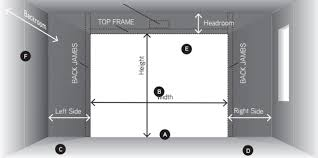
Step 2: Measure Door Size
- Single door: 8–10 feet wide
- Double door: 12–16 feet wide
Step 3: Consider Usage Frequency
- Low use (1–2 times/day)
- Medium (3–5 times/day)
- High (6+ times/day)
Step 4: Factor in Climate
- Cold climates → heavier doors due to insulation
- Humid climates → potential material expansion
Recommended Opener Sizes by Door Type
Detailed Comparison Table
| Door Type | Size | Recommended HP |
|---|---|---|
| Single steel | 8–9 ft | 1/2 HP |
| Double steel | 12–16 ft | 3/4 HP |
| Insulated double | 12–16 ft | 3/4–1 HP |
| Solid wood | Any | 1 HP+ |
| Oversized/custom | Large | 1.25 HP+ |
Is a Bigger Garage Door Opener Better?
Short Answer: Not Always
Pros of Higher HP
- Handles heavy doors easily
- Longer lifespan
- Quieter operation
Cons
- Higher cost
- Unnecessary for light doors
- Slightly higher energy use
Bottom line: Choose adequate, not excessive power.
What Happens If You Choose the Wrong Size?
Too Small
- Struggles to lift door
- Wears out quickly
- Noisy operation
Too Large
- Higher upfront cost
- Overkill for small doors
Types of Garage Door Openers (Does It Affect Size?)
Yes, the opener type also matters.
Common Types
| Type | Best For | Noise Level |
|---|---|---|
| Chain Drive | Budget users | Loud |
| Belt Drive | Quiet homes | Very quiet |
| Screw Drive | Moderate use | Medium |
| Direct Drive | Premium users | Ultra quiet |
Real-World Example
Case Study
A homeowner with a double insulated steel door (16 ft) initially installed a 1/2 HP opener.
Result
- Slow operation
- Motor overheating
- Frequent maintenance
Solution
Upgrading to a 3/4 HP opener solved all issues and improved lifespan.
How Much Power Do You Really Need?
Practical Rule of Thumb
- Light door → 1/2 HP
- Medium door → 3/4 HP
- Heavy door → 1 HP+
Expert Insight
Most modern homes benefit from 3/4 HP as a safe middle ground.
Energy Efficiency and Smart Features
Modern openers offer more than just power.
Features to Consider
- Wi-Fi connectivity
- Battery backup
- Soft start/stop
- Security rolling codes
These features improve convenience and safety.
Advantages vs Disadvantages of Different Sizes
1/2 HP
Pros:
- Affordable
- Energy-efficient
Cons:
- Limited power
3/4 HP
Pros:
- Balanced performance
- Durable
Cons:
- Slightly higher cost
1 HP+
Pros:
- Maximum strength
- Best for heavy doors
Cons:
- Expensive
Maintenance Tips Based on Opener Size
Keep Your Opener Running Smoothly
- Lubricate moving parts every 3–6 months
- Test door balance regularly
- Replace worn rollers
- Inspect motor annually
When Should You Upgrade Your Garage Door Opener?
Consider upgrading if:
- Your opener struggles or stalls
- You hear excessive noise
- Your door has been replaced with a heavier one
- Your current opener is 10+ years old
FAQ Section
Frequently Asked Questions About What Size Of Garage Door Opener Do I Need
1. Is 1/2 HP enough for a garage door?
Yes, for most single lightweight doors.
2. Do I need 3/4 HP for a double door?
Yes, especially if it’s insulated or used frequently.
3. Can a garage door opener be too powerful?
Not harmful, but unnecessary and more expensive.
4. What is the most common opener size?
3/4 HP is the most popular choice for modern homes.
5. Does opener size affect speed?
Not significantly—speed depends more on design than horsepower.
6. Should I upgrade if my opener still works?
Only if it struggles, is noisy, or lacks modern features.
Conclusion
So, What Size Of Garage Door Opener Do I Need? The answer depends on your door type, size, and usage—but most homeowners will find 3/4 HP to be the perfect balance of power and value.
Choosing the right size ensures smooth operation, longer lifespan, and fewer repairs. Don’t overthink it—just match the opener to your door’s needs.
Leave a Reply