If you’re wondering What Is The Width Of A Double Garage Door, you’re likely planning a new garage, replacing an old door, or simply checking if your space fits two vehicles comfortably. This is a common question—and getting the dimensions right is crucial for both functionality and convenience.
In this guide, you’ll learn the standard sizes, variations, and how to choose the perfect double garage door for your needs.
Read too: Tc1 Tricode Garage Door Opener Remote W/ Clip Chamberlain: Complete Guide
What Is The Standard Width Of A Double Garage Door?
Let’s answer the main question directly:
What Is The Width Of A Double Garage Door?
Standard Width
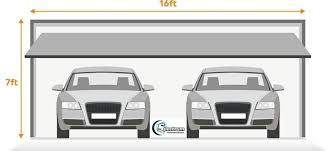
The most common width for a double garage door in the United States is:
- 16 feet (192 inches)
Standard Height
Typically paired with:
- 7 feet or 8 feet high
👉 So, the most popular size is:
16 ft wide × 7 ft high
Other Common Double Garage Door Widths
While 16 feet is standard, there are variations:
| Width | Typical Use |
|---|---|
| 14 feet | Smaller garages or compact vehicles |
| 16 feet | Standard for most homes |
| 18 feet | Larger vehicles or extra space |
| 20 feet | Custom or luxury garages |
Why 16 Feet Is the Most Common Size
The 16-foot width is popular because it comfortably fits:
- Two standard cars
- Mid-size SUVs
- Small trucks
Space Breakdown
- Average car width: 6–6.5 feet
- Clearance space: 2–3 feet total
This ensures:
- Easier parking
- Door opening clearance
- Reduced risk of scratches
How Much Space Do You Really Need?
Choosing the right width depends on your lifestyle and vehicles.
Recommended Space Per Vehicle
- Minimum: 8 feet per car
- Ideal: 9 feet per car
👉 For two cars:
- Minimum: 16 feet
- Ideal: 18 feet
Double Garage Door vs Two Single Doors
One important decision is whether to install one double door or two single doors.
Comparison Table
| Feature | Double Door | Two Single Doors |
|---|---|---|
| Cost | Lower | Higher |
| Appearance | Modern | Traditional |
| Insulation | Less efficient | Better |
| Convenience | Easier access | Independent control |
Pros and Cons
Double Door Pros:
- Easier to install
- More convenient for large vehicles
- Lower cost
Double Door Cons:
- Less insulation
- Entire garage opens at once
How to Measure Your Garage Door Width (Step-by-Step)
If you’re replacing a door, accurate measurement is critical.
Tools Needed
- Measuring tape
- Notepad
- Ladder (optional)
Step 1: Measure the Opening Width
- Measure from left to right
- Record in inches and feet
Example:
192 inches = 16 feet
Step 2: Measure the Height
- From floor to top of opening
Step 3: Check Side Room
- Minimum: 3–5 inches on each side
Step 4: Measure Headroom
- Space above opening
- Needed for tracks
Minimum:
- 12–15 inches
Step 5: Measure Backroom
- Distance from door to back wall
Rule:
- Door height + 18 inches
What Affects Double Garage Door Width?
Not all garages are the same. Several factors influence the width you need.
1. Vehicle Size
| Vehicle Type | Recommended Width |
|---|---|
| Compact cars | 14–16 ft |
| SUVs | 16–18 ft |
| Trucks | 18–20 ft |
2. Storage Needs
If you store items like:
- Bikes
- Tools
- Cabinets
You may need extra width.
3. Garage Layout
- Attached garages often follow standard sizes
- Detached garages allow customization
4. Local Building Codes
Some areas have minimum requirements for garage dimensions.
Custom Double Garage Door Sizes
Not all homes fit standard sizes.
Custom Options Include
- 17 feet
- 19 feet
- 22 feet
Custom doors are ideal for:
- Luxury homes
- RV garages
- Unique architectural designs
Benefits of Choosing the Right Width
Getting the correct size provides long-term benefits.
Key Advantages
- Easier parking
- Reduced vehicle damage
- Better airflow and lighting
- Increased property value
Common Mistakes to Avoid
Avoid these common errors when choosing your garage door width:
Mistake #1: Choosing Minimum Width
👉 Result: Tight parking and frustration
Mistake #2: Ignoring Future Needs
👉 You may upgrade to a larger vehicle later
Mistake #3: Not Measuring Properly
👉 Leads to costly installation issues
Mistake #4: Overlooking Clearance Space
👉 Doors may hit walls or objects
Expert Insight: Garage Design Trends
Modern homes increasingly favor larger garage doors.
Industry trends show:
- Growing SUV and truck ownership
- Demand for extra storage space
- Preference for open, accessible layouts
Garage Door Materials and Their Impact
Width isn’t the only factor—material matters too.
Common Materials
- Steel (durable, low maintenance)
- Wood (aesthetic, higher cost)
- Aluminum (lightweight)
Material Comparison
| Material | Pros | Cons |
|---|---|---|
| Steel | Strong, affordable | Can dent |
| Wood | Beautiful | Expensive |
| Aluminum | Lightweight | Less durable |
Understanding Garage Dimensions in Context
Garage size is part of a larger structure.
According to general building standards explained on Wikipedia, residential garages are designed based on vehicle size, accessibility, and safety requirements:
https://en.wikipedia.org/wiki/Garage_(residential)
FAQ: What Is The Width Of A Double Garage Door
1. What is the most common double garage door width?
The standard width is 16 feet, suitable for most two-car garages.
2. Can a double garage door be wider than 16 feet?
Yes, common alternatives include 18 feet and 20 feet, especially for larger vehicles.
3. Is 14 feet wide enough for two cars?
It can work for compact cars, but it may feel tight and less comfortable.
4. Should I choose one double door or two single doors?
It depends on your needs. Double doors are more convenient, while two single doors offer better insulation.
5. What height is best for a double garage door?
Standard height is 7–8 feet, but taller doors (9–10 feet) are better for trucks or SUVs.
6. How much clearance should I leave on each side?
At least 2–3 feet total clearance is recommended for safe parking.
Conclusion
So, What Is The Width Of A Double Garage Door?
The standard answer is 16 feet, but the best size depends on your vehicles, space, and future needs.
Choosing the right width ensures:
- Comfortable parking
- Better usability
- Long-term convenience
Take the time to measure carefully and plan ahead—it will save you money and frustration later.
If you found this guide helpful, don’t forget to share it on social media to help others choose the perfect garage door size!
Leave a Reply