Choosing the right garage door size can feel confusing, especially if you’re unsure about standard measurements. Many homeowners search for What Is The Standard Width Of A Garage Door when planning a new build or replacement. The good news is that garage door sizes follow fairly consistent standards—once you understand them, picking the right one becomes much easier.
What Is The Standard Width Of A Garage Door?
The standard width of a garage door depends on whether your garage is designed for one vehicle or multiple vehicles.
Read too: Tc1 Tricode Garage Door Opener Remote W/ Clip Chamberlain: Complete Guide
Common Standard Widths
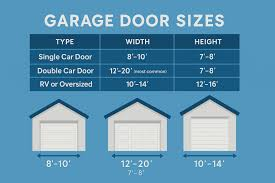
- Single-car garage door: 8 to 9 feet (2.4–2.7 meters)
- Double-car garage door: 16 feet (4.9 meters)
- RV garage door: 10 to 14 feet (3–4.3 meters)
👉 These dimensions are widely used across the U.S. residential construction industry.
According to general construction references such as Garage Door standards, these sizes ensure compatibility with most vehicles and building codes.
Why Do Garage Door Widths Vary?
Not all homes are built the same, which is why garage door widths can differ.
Key Factors That Affect Width
- Number of Vehicles
- One car vs two cars
- Vehicle Size
- SUVs and trucks require more space
- Home Design
- Modern homes often favor wider doors
- Custom Preferences
- Workshops or storage needs
💡 Insight: In newer U.S. homes, 9-foot single doors and 16-foot double doors dominate due to larger vehicle sizes.
Standard Garage Door Width by Type
To make things clearer, here’s a quick comparison:
| Garage Type | Standard Width | Typical Height |
|---|---|---|
| Single Car | 8–9 ft | 7–8 ft |
| Double Car | 16 ft | 7–8 ft |
| RV Garage | 10–14 ft | 10–14 ft |
| Custom Garage | 6–20 ft | Varies |
Is 8 Feet or 9 Feet Better for a Single Garage?
This is one of the most common questions homeowners ask.
8-Foot Garage Door
Pros:
- Lower cost
- Fits compact cars
Cons:
- Tight clearance for SUVs
- Harder parking
9-Foot Garage Door
Pros:
- Easier parking
- Better for modern vehicles
Cons:
- Slightly higher cost
👉 Recommendation: Most experts suggest choosing 9 feet if space allows. It improves usability significantly.
How Wide Should a Garage Door Be for Two Cars?
For two vehicles, the standard is:
👉 16 feet wide
Why 16 feet works well:
- Provides ~8 feet per vehicle
- Allows comfortable entry/exit
- Reduces risk of scratches
📊 Real-world insight:
Builders report that garages narrower than 16 feet often lead to daily inconvenience and parking stress.
What About Custom Garage Door Widths?
Not all garages follow standard sizing.
When to Choose Custom Sizes
- You own oversized vehicles (trucks, vans)
- Your garage has unique architecture
- You need extra storage or workspace
Common Custom Widths
- 10 ft (wide single garage)
- 12 ft (truck-friendly)
- 18–20 ft (large double garage)
⚠️ Note: Custom doors cost 20–50% more than standard sizes.
How To Measure Your Garage Door Width (Step-by-Step)
If you’re replacing or installing a garage door, accurate measurement is essential.
Step 1: Measure the Opening Width
- Use a tape measure
- Measure from left to right inside the frame
- Record in feet and inches
Step 2: Measure the Height
- Measure from floor to top of opening
Step 3: Check Side Room
- Ensure at least 3–5 inches on each side
Step 4: Measure Headroom
- Minimum 12 inches above opening
Step 5: Verify Backroom
- Required depth = door height + 18–24 inches
Single vs Double Garage Doors: Which Is Better?
Single Doors (Two Separate Doors)
Pros:
- Independent operation
- Less heat loss
Cons:
- More installation cost
Double Door (One Large Door)
Pros:
- Cleaner appearance
- Easier access
Cons:
- Entire door opens at once
Garage Door Width vs Vehicle Size
Choosing the right width depends heavily on your vehicle.
Vehicle Width Comparison
| Vehicle Type | Average Width |
|---|---|
| Compact Car | 5.5–6 ft |
| Sedan | 6–6.5 ft |
| SUV | 6.5–7 ft |
| Pickup Truck | 6.5–7.5 ft |
👉 A 9-ft door gives enough clearance for most vehicles, including SUVs.
Expert Tips for Choosing the Right Garage Door Width
Here are practical tips based on industry experience:
- Always add at least 2 feet of clearance beyond your car width
- Consider future vehicle upgrades
- Think about storage needs
- Check local building codes
💡 Pro Tip: A slightly wider door today can save thousands in renovation costs later.
Common Mistakes to Avoid
Avoid these frequent errors:
- ❌ Choosing the smallest size to save money
- ❌ Ignoring vehicle growth (SUV upgrades)
- ❌ Not measuring correctly
- ❌ Forgetting space for mirrors and doors
FAQ: What Is The Standard Width Of A Garage Door?
1. What is the most common garage door width?
The most common widths are 9 feet for single garages and 16 feet for double garages.
2. Can I install a wider garage door than standard?
Yes, custom widths are available, but they are more expensive and may require structural changes.
3. Is a 16-foot garage door wide enough for two cars?
Yes. It provides adequate space for most vehicles and is the industry standard.
4. How much clearance should I leave on each side?
At least 12–18 inches total (6–9 inches per side) for comfortable access.
5. Are garage door sizes standardized worldwide?
No. Sizes vary by region, but U.S. standards are widely adopted in many countries.
6. Should I choose a custom or standard garage door?
Standard doors are more affordable and easier to install. Choose custom only if necessary.
Conclusion
Understanding What Is The Standard Width Of A Garage Door helps you make smarter decisions when building or upgrading your home. Whether you choose an 8-ft, 9-ft, or 16-ft door, the key is balancing comfort, cost, and future needs.
By selecting the right width, you’ll enjoy easier parking, better functionality, and long-term value.
If this guide helped you, share it on social media to help others make the right garage decision too! 🚗
Leave a Reply