Choosing the right garage door can feel overwhelming, especially if you’re unsure about sizing. Many homeowners ask, What Is The Standard Size Of A Garage Door, when planning construction or replacing an old door. Understanding standard dimensions helps you avoid costly mistakes and ensures a perfect fit for your home and vehicle.
What Is The Standard Size Of A Garage Door?
The standard size of a garage door varies depending on the type of garage—single, double, or specialty (like RV garages).
Read too: Tc1 Tricode Garage Door Opener Remote W/ Clip Chamberlain: Complete Guide
Most Common Standard Sizes
- Single garage door:
- Width: 8–9 feet
- Height: 7–8 feet
- Double garage door:
- Width: 16 feet
- Height: 7–8 feet
- RV garage door:
- Width: 10–14 feet
- Height: 10–14 feet
These dimensions are widely used across the U.S. housing market.
According to general construction references like Garage Door, standardized sizes help ensure compatibility with most residential structures and vehicles.
Why Are Garage Door Sizes Standardized?
Standard sizes make installation and replacement easier and more cost-effective.
Key Benefits
- Lower manufacturing costs
- Faster installation
- Easier replacement
- Better compatibility with openers
💡 Insight: Custom doors can cost 20–50% more than standard sizes.
Standard Garage Door Sizes by Type
Here’s a detailed breakdown for different garage types:
| Garage Type | Width | Height | Best For |
|---|---|---|---|
| Single Car | 8–9 ft | 7–8 ft | Sedans, compact cars |
| Double Car | 16 ft | 7–8 ft | Two vehicles |
| RV Garage | 10–14 ft | 10–14 ft | RVs, trucks |
| Custom Garage | 6–20 ft | Varies | Unique layouts |
What Is the Standard Height of a Garage Door?
Height is just as important as width.
Common Heights
- 7 feet: Most common for residential garages
- 8 feet: For taller vehicles like SUVs
- 10–14 feet: For RVs and commercial use
👉 Choosing the right height prevents clearance issues.
Is 8 or 9 Feet Better for a Single Garage Door?
This is a common question among homeowners.
8-Foot Door
Pros:
- Lower cost
- Fits smaller vehicles
Cons:
- Tight for SUVs
- Harder parking
9-Foot Door
Pros:
- More clearance
- Easier maneuvering
Cons:
- Slightly higher cost
👉 Recommendation: Go with 9 feet if space allows.
How Do You Measure for a Garage Door? (Step-by-Step)
Accurate measurements are essential.
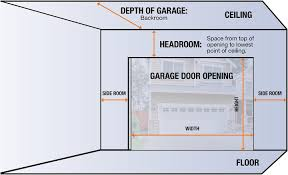
Step 1: Measure the Width
- Measure opening from left to right
- Record in feet and inches
Step 2: Measure the Height
- Measure from floor to top of opening
Step 3: Check Side Room
- Minimum 3–5 inches on each side
Step 4: Measure Headroom
- At least 12 inches above opening
Step 5: Measure Backroom
- Door height + 18–24 inches
Standard vs Custom Garage Doors
Standard Doors
Advantages:
- Affordable
- Easy to install
- Widely available
Disadvantages:
- Limited design flexibility
Custom Doors
Advantages:
- Tailored fit
- Unique design
Disadvantages:
- Higher cost
- Longer production time
Garage Door Size vs Vehicle Size
Your vehicle plays a big role in choosing the right size.
Average Vehicle Widths
| Vehicle Type | Width |
|---|---|
| Compact Car | 5.5–6 ft |
| Sedan | 6–6.5 ft |
| SUV | 6.5–7 ft |
| Pickup | 6.5–7.5 ft |
👉 A 9-ft door provides comfortable clearance for most vehicles.
How Garage Door Size Affects Cost
Garage door pricing is directly linked to size.
Average Costs
- Single door: $500 – $1,500
- Double door: $800 – $3,000
- Custom door: $1,500 – $5,000+
📊 Insight: Larger doors require stronger materials and motors, increasing cost.
Common Mistakes When Choosing Garage Door Size
Avoid these pitfalls:
- ❌ Choosing the smallest size to save money
- ❌ Ignoring future vehicle upgrades
- ❌ Not measuring correctly
- ❌ Overlooking headroom and clearance
When Should You Choose a Custom Size?
Custom sizing is ideal when:
- Your garage opening is non-standard
- You own oversized vehicles
- You want a unique design
Pro Tips for Choosing the Right Garage Door Size
- Add at least 2 feet of clearance beyond your car width
- Plan for future vehicle changes
- Consider storage needs
- Check local building codes
💡 Pro Tip: A slightly larger door improves convenience and resale value.
Real-Life Example
A homeowner upgraded from an 8-ft to a 9-ft garage door. The result? Easier parking and fewer scratches on their SUV.
👉 Small size changes can make a big difference.
FAQ: What Is The Standard Size Of A Garage Door
1. What is the most common garage door size?
The most common size is 9 ft wide by 7 ft high for single garages and 16 ft wide for double garages.
2. Are garage door sizes universal?
No, but standard sizes are widely used in residential construction.
3. Can I install a larger garage door?
Yes, if your structure supports it. Custom options are available.
4. What size garage door do I need for an SUV?
A 9-ft wide door is recommended for comfortable clearance.
5. How much clearance do I need on each side?
At least 6–9 inches per side for smooth operation.
6. Is it better to have one double door or two single doors?
A double door offers easier access, while two single doors provide flexibility.
Conclusion
Understanding What Is The Standard Size Of A Garage Door helps you make smarter decisions when building or upgrading your garage. Standard sizes like 8–9 ft for single doors and 16 ft for double doors offer the perfect balance of cost, convenience, and functionality.
By choosing the right size based on your needs, you’ll enjoy easier access, better safety, and long-term value.
If this guide helped you, share it on social media to help others choose the perfect garage door size! 🚪
Leave a Reply