If your garage door squeaks, jerks, or feels harder to open, you’re not alone. Many homeowners struggle with maintenance and wonder: What Is The Best Lubricant For Garage Door Springs to fix these issues quickly and safely? The right lubricant can extend your garage door’s lifespan, reduce noise, and prevent costly repairs.
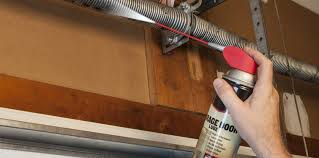
What Is The Best Lubricant For Garage Door Springs? (Quick Answer)
The best lubricant for garage door springs is typically:
- Silicone-based spray lubricant
- White lithium grease (spray form)
These options are specifically designed to reduce friction, resist moisture, and protect metal components without attracting excessive dust or debris.
Read too: Tc1 Tricode Garage Door Opener Remote W/ Clip Chamberlain: Complete Guide
Why Do Garage Door Springs Need Lubrication?
Garage door springs (torsion or extension) are under extreme tension, often handling doors weighing 150–300 pounds. Without proper lubrication:
- Friction increases → leads to wear and tear
- Rust forms → weakens spring integrity
- Noise becomes noticeable → squeaking or grinding
- Lifespan shortens significantly
According to maintenance experts, properly lubricated springs can last 30–50% longer than neglected ones.
For a deeper understanding of mechanical friction, you can refer to this authoritative resource:
👉 https://en.wikipedia.org/wiki/Friction
Types of Lubricants: Which One Is Best?
1. Silicone-Based Lubricant (Top Recommendation)
Best for: Most homeowners and regular maintenance
Pros:
- Doesn’t attract dust or dirt
- Water-resistant (great for humid climates)
- Works well on metal and rubber components
Cons:
- Needs reapplication every few months
2. White Lithium Grease (Heavy-Duty Option)
Best for: Older or noisy garage doors
Pros:
- Thick consistency for long-lasting lubrication
- Excellent rust protection
- Ideal for high-load components like springs
Cons:
- Can attract dust if overapplied
3. Garage Door-Specific Lubricants
These are branded sprays designed specifically for garage systems.
Pros:
- Optimized for springs, rollers, and hinges
- Easy application
Cons:
- Slightly more expensive
4. What to Avoid (Important!)
Avoid these common mistakes:
- ❌ WD-40 (not a true lubricant—it’s a cleaner/degreaser)
- ❌ Motor oil (too messy, attracts dirt)
- ❌ Grease not designed for metal springs
Silicone vs Lithium Grease: Comparison Table
| Feature | Silicone Spray | White Lithium Grease |
|---|---|---|
| Durability | Medium | High |
| Dirt Attraction | Low | Medium |
| Ease of Application | Very easy | Easy |
| Best Use Case | Regular maintenance | Heavy-duty use |
| Rust Protection | Good | Excellent |
Verdict:
- Choose silicone for regular upkeep
- Choose lithium grease for older, noisy systems
How Often Should You Lubricate Garage Door Springs?
Experts recommend:
- Every 3–6 months for normal use
- Every 2–3 months in humid or dusty environments
- Immediately if you notice noise or stiffness
Step-by-Step: How to Lubricate Garage Door Springs
Follow this simple and safe process:
Step 1: Gather Materials
- Silicone spray or white lithium grease
- Clean cloth
- Safety gloves
Step 2: Close the Garage Door
Always keep the door fully closed to reduce tension on the springs.
Step 3: Clean the Springs
Wipe away dirt, dust, and old residue using a dry cloth.
Step 4: Apply Lubricant
- Spray evenly along the length of the spring
- Use short bursts (1–2 seconds per section)
- Avoid over-spraying
Step 5: Open and Close the Door
Operate the door 2–3 times to distribute the lubricant evenly.
Step 6: Wipe Excess
Remove any dripping lubricant to prevent buildup.
Common Mistakes to Avoid
- Over-lubricating (causes dirt accumulation)
- Using the wrong product (like WD-40)
- Ignoring other components (rollers, hinges, tracks)
- Skipping regular maintenance
Signs Your Garage Door Springs Need Lubrication
Watch for these indicators:
- Loud squeaking or grinding
- Jerky or uneven movement
- Slower door operation
- Visible rust or dryness
Expert Tips for Better Results
- Use lubricant at room temperature (22–28°C) for optimal flow
- Apply in thin layers, not heavy coatings
- Combine with full garage door inspection every 6 months
- Replace springs if heavily rusted or worn (don’t rely on lubricant alone)
FAQ: What Is The Best Lubricant For Garage Door Springs?
1. Can I use WD-40 on garage door springs?
No. WD-40 is primarily a cleaner and degreaser, not a long-term lubricant. It may temporarily reduce noise but won’t protect the springs effectively.
2. Is silicone spray better than grease?
Yes for most situations. Silicone spray is cleaner and doesn’t attract dust, making it ideal for regular maintenance.
3. How long does lubrication last?
Typically 3–6 months, depending on usage and environmental conditions.
4. Can I lubricate garage door springs myself?
Yes, it’s a simple DIY task. However, never attempt to adjust or remove springs—they are under high tension and can be dangerous.
5. Should I lubricate other garage door parts?
Absolutely. Rollers, hinges, and tracks also benefit from lubrication to ensure smooth operation.
6. What happens if I don’t lubricate the springs?
Neglecting lubrication can lead to:
- Increased wear
- Higher noise levels
- Shortened spring lifespan
- Potential system failure
Conclusion
Choosing the right product answers the question: What Is The Best Lubricant For Garage Door Springs—and the clear winners are silicone-based sprays and white lithium grease. Both provide excellent protection, reduce noise, and extend the life of your garage door system.
Regular maintenance takes just a few minutes but can save you hundreds in repairs. If this guide helped you, consider sharing it with friends or on social media—someone else might be dealing with that same annoying garage door noise!
Leave a Reply