If your garage door opener isn’t responding to your remote, you may have wondered, what is a dip switch on a garage door opener and why it matters. Dip switches are small switches inside remotes and openers that control the signal code between them.
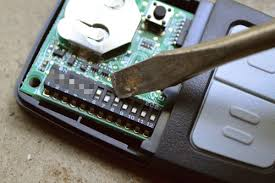
Understanding dip switches is crucial for securely syncing remotes, troubleshooting connectivity issues, and keeping your garage safe. In this article, we’ll break down the functionality, programming, and maintenance of dip switches.
What Is A Dip Switch?
A dip switch is a small set of switches, usually 8 to 12, that allow you to create a unique code. This code ensures that only remotes with matching dip switch settings can operate the garage door opener.
Read too: How Do You Change Code On Garage Door Keypad Fast?
Key Features:
- Usually found inside the remote or the opener unit
- Each switch can be toggled ON or OFF to form a binary code
- Provides secure, manual control for older garage door openers
Experts note that dip switches were the standard for garage door openers before rolling code technology became common, and they still provide reliable security when properly programmed.
How Does a Dip Switch Work?
Dip switches operate like a simple binary code system. Each switch has two positions: ON (1) or OFF (0). When the remote sends a signal, the opener reads the combination of switch positions to determine if it should activate.
Example:
- Remote switch positions: 10101010
- Opener switch positions: 10101010
- Result: Door opens successfully
If even a single switch position differs, the opener ignores the signal.
Security Tip: Changing dip switch positions is a simple way to invalidate lost or stolen remotes.
Step-by-Step Guide: Programming a Dip Switch
Materials Needed:
- Garage door opener with dip switch panel
- Remote control with dip switches
Step 1: Access the Dip Switches
- Open the battery compartment of the remote
- Locate the small row of switches inside the remote and on the motor unit
Step 2: Set the Code
- Toggle each switch to match between the remote and opener
- Use the ON/OFF positions to create a unique combination
Step 3: Test the Remote
- Press the remote button to open or close the garage door
- Adjust switches if necessary
Step 4: Secure the Code
- Note the positions for future reference
- Only use known, authorized remotes
Advantages and Limitations of Dip Switches
| Advantage | Limitation |
|---|---|
| Simple and reliable | Limited to manual programming |
| No need for electricity to program | Harder to integrate with smart devices |
| Secure if code is unique | Vulnerable if code is shared or guessed |
For older systems, dip switches remain a dependable choice. For newer openers, rolling code systems provide enhanced security.
Common Questions About Dip Switches
Q1: Can I use multiple remotes with one dip switch code?
A: Yes, all remotes with matching switch positions can operate the opener.
Q2: How many dip switches are typical?
A: Most remotes have 8 to 12 switches, allowing hundreds of possible combinations.
Q3: Can I reset the dip switches?
A: Yes, changing the switch positions invalidates previous codes and allows new ones to be programmed.
Q4: Are dip switches still used in modern garage openers?
A: Mostly in older models; newer systems use rolling codes for enhanced security.
Q5: What if the door does not respond after programming?
A: Ensure switches on both remote and opener match exactly. Check battery and range.
Q6: Can dip switches prevent hacking?
A: Yes, if the code is unique and kept private, it prevents unauthorized access, but rolling codes are safer.
Maintenance Tips for Dip Switch Systems
- Regularly check battery levels in remotes
- Keep the dip switch panel clean and dry
- Avoid unnecessary changes to the code
- Record the switch positions for emergencies
A simple maintenance routine can extend the life and reliability of older dip switch garage door systems.
Conclusion
Understanding what a dip switch on a garage door opener is can save you time, frustration, and improve your home security. Dip switches provide a manual, reliable way to program your remotes and maintain control over who can access your garage.
Share this guide with friends or family struggling with remote programming — it’s a simple yet powerful solution for garage security!
Leave a Reply