Dealing with gaps under your garage door can be frustrating—especially when your concrete floor isn’t perfectly level. If you’re searching for Uneven Concrete Garage Door Bottom Seal For Uneven Floor, you’re likely trying to block drafts, water, or pests from getting inside.
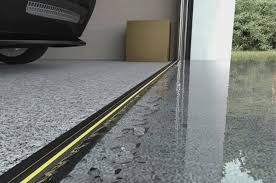
The good news? There are proven solutions that work—even if your garage floor is sloped, cracked, or uneven.
Read too: Tc1 Tricode Garage Door Opener Remote W/ Clip Chamberlain: Complete Guide
Why Uneven Garage Floors Cause Sealing Problems
Garage floors are rarely perfectly flat. Over time, they can shift, crack, or settle unevenly.
Common Causes:
- Foundation settling
- Poor initial concrete leveling
- Temperature expansion and contraction
- Water damage or erosion
Even a small slope of 0.5–1 inch can create noticeable gaps under your garage door.
👉 Learn more about garage door systems:
https://en.wikipedia.org/wiki/Garage_door
What Happens If You Don’t Fix The Gap?
Ignoring the issue can lead to several problems:
🚨 Risks:
- Water leaks during rain
- Cold or hot air entering
- Pest infestations (rodents, insects)
- Higher energy bills
- Mold and moisture buildup
👉 Studies show poor sealing can increase energy loss by up to 30% in garage-connected homes.
Best Solutions For Uneven Concrete Garage Door Bottom Seal
Let’s explore the most effective options.
1. Garage Door Threshold Seal (Top Recommended)
Best for: Uneven floors and large gaps
A threshold seal is installed directly on the concrete floor, creating a raised barrier.
Benefits:
- Compensates for uneven surfaces
- Blocks water and debris
- Works with existing door seals
Typical Specs:
- Height: 0.5–1 inch
- Material: Rubber or vinyl
2. Adjustable Bottom Seal (Flexible Solution)
Best for: Slight unevenness
These seals attach to the bottom of the garage door and flex to match the floor.
Types:
- T-style seals
- U-shaped seals
- Bulb seals
Pros:
- Easy installation
- Affordable
Cons:
- Less effective for large gaps
3. Double Seal System (Best Performance)
Best for: Maximum protection
This combines:
- Bottom door seal
- Floor threshold seal
👉 Creates a two-layer barrier for better sealing.
4. Concrete Resurfacing (Permanent Fix)
Best for: Severe uneven floors
This involves leveling the floor using concrete or self-leveling compound.
Pros:
- Long-term solution
- Improves overall garage structure
Cons:
- Expensive ($500–$2,000+)
- Requires professional work
Comparison Table: Best Solutions
| Solution | Cost | Difficulty | Effectiveness |
|---|---|---|---|
| Threshold Seal | $50–$200 | Easy | ⭐⭐⭐⭐⭐ |
| Bottom Seal | $20–$100 | Easy | ⭐⭐⭐☆☆ |
| Double Seal | $70–$250 | Medium | ⭐⭐⭐⭐⭐ |
| Resurfacing | $500+ | Hard | ⭐⭐⭐⭐⭐ |
Step-by-Step: How To Install A Threshold Seal
Here’s a practical DIY guide.
Tools Needed:
- Measuring tape
- Utility knife
- Adhesive (construction-grade)
- Cleaning solution
- Cloth or brush
Step 1: Measure The Garage Width
Measure the full width of your garage opening (e.g., 16 ft or 192 inches).
Step 2: Clean The Concrete Surface
- Remove dust, oil, and debris
- Use water and mild detergent
- Ideal temperature: 22–28°C (72–82°F)
👉 Let the surface dry completely.
Step 3: Apply Adhesive
- Apply a consistent bead of adhesive
- Follow manufacturer guidelines
Step 4: Position The Threshold Seal
- Align it with the door bottom
- Press firmly into place
Step 5: Let It Cure
- Allow 24 hours for full bonding
- Avoid opening the door during this time
How To Choose The Right Seal For Uneven Floors
Consider These Factors:
1. Gap Size
- Small gaps → Bottom seal
- Large gaps → Threshold seal
2. Floor Condition
- Minor unevenness → Flexible seal
- Severe slope → Double seal or resurfacing
3. Climate
- Wet areas → Waterproof threshold
- Cold areas → Insulated rubber seals
Pros vs Cons Of Threshold Seals
✅ Advantages:
- Excellent water resistance
- Works on uneven floors
- Long-lasting solution
❌ Disadvantages:
- Requires adhesive curing time
- Slight obstruction when walking/driving
- Needs precise placement
Real-Life Example
A homeowner with a 1-inch slope in their garage floor struggled with rainwater entering the space. After installing a threshold seal combined with a new bottom seal, the issue was completely eliminated—without resurfacing the concrete.
👉 Result: Improved insulation and zero water intrusion.
Common Mistakes To Avoid
❌ Don’t:
- Install on dirty or wet surfaces
- Choose the wrong seal height
- Skip curing time
- Ignore door alignment
✅ Do:
- Measure accurately
- Use high-quality adhesive
- Combine solutions if needed
Maintenance Tips For Long-Term Performance
Keep your seal effective:
- Inspect every 6 months
- Clean debris regularly
- Replace worn seals every 2–3 years
- Check for cracks in concrete
FAQ: Uneven Concrete Garage Door Bottom Seal For Uneven Floor
1. What is the best seal for uneven garage floors?
A threshold seal is the most effective solution for uneven concrete.
2. Can a bottom seal fix uneven floors?
Only for small gaps. Larger gaps require additional solutions.
3. How much gap can a threshold seal handle?
Typically up to 1 inch, depending on seal height.
4. Is concrete leveling necessary?
Only for severe unevenness or structural issues.
5. How long do garage door seals last?
Usually 2–5 years, depending on usage and weather.
6. Can I install a threshold seal myself?
Yes, it’s a beginner-friendly DIY project.
Conclusion
Fixing gaps caused by uneven floors doesn’t have to be complicated. With the right approach to Uneven Concrete Garage Door Bottom Seal For Uneven Floor, you can effectively block water, air, and pests while improving your garage’s comfort and efficiency.
Whether you choose a simple threshold seal or a combination system, the key is matching the solution to your floor condition.
Leave a Reply