If you’ve noticed that one garage door sensor is orange and one is green, you’re probably wondering whether something is wrong—and more importantly, how to fix it. This is a common issue that can prevent your garage door from closing properly.
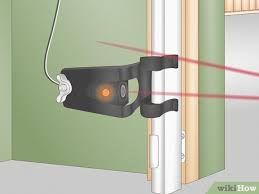
The good news? In most cases, it’s a simple alignment or wiring issue that you can fix yourself in just a few minutes.
Read too: How Do You Change Code On Garage Door Keypad Fast?
One Garage Door Sensor Is Orange And One Is Green: What Does It Mean?
When one garage door sensor is orange and one is green, it typically indicates that:
- The orange light is the sending sensor (emits the infrared beam)
- The green light is the receiving sensor (detects the beam)
Normal Behavior
✔ Orange light: Steady (always on)
✔ Green light: Steady (when aligned properly)
Problem Indicator
❌ Green light blinking or off → Misalignment or obstruction
💡 Key takeaway: The color difference is normal—the issue arises when the lights are not steady.
How Do Garage Door Safety Sensors Work?
Garage door sensors use an infrared beam system to detect obstacles.
Basic Function:
- One sensor sends an invisible beam
- The other receives it
- If the beam is broken → door stops or reverses
This safety feature became standard after regulations in the 1990s to prevent accidents.
For technical background, see:
👉 https://en.wikipedia.org/wiki/Garage_door_opener
Why Is One Sensor Orange and the Other Green?
Color Coding Explained
| Sensor Type | Light Color | Function |
|---|---|---|
| Sending Sensor | Orange | Emits infrared beam |
| Receiving Sensor | Green | Detects the beam |
This design helps users quickly identify which sensor might be causing the issue.
Common Reasons for Sensor Issues
If your garage door isn’t working properly, here are the most likely causes:
1. Misalignment
- Sensors not facing each other directly
- Even slight shifts (1–2 mm) can break the beam
2. Dirt or Debris
- Dust, spider webs, or water droplets
- Blocks the infrared signal
3. Loose Wiring
- Damaged or disconnected wires
- Interrupts signal transmission
4. Sunlight Interference
- Direct sunlight hitting the sensor
- Can confuse the receiver
5. Physical Damage
- Sensor bumped or knocked out of position
- Cracked lens or housing
How To Fix Garage Door Sensors (Step-by-Step)
Follow this simple process to resolve the issue.
Step 1: Check Sensor Lights
Look at both sensors:
- Orange should be steady
- Green should be steady
If green is blinking or off → proceed to next steps.
Step 2: Clean the Sensors
Use a soft cloth:
- Gently wipe both lenses
- Remove dust, dirt, or moisture
💡 Avoid using harsh chemicals.
Step 3: Realign the Sensors
This is the most common fix.
- Loosen the mounting brackets slightly
- Adjust sensors until both face each other directly
- Tighten screws once aligned
✔ The green light should turn solid when alignment is correct.
Step 4: Check Wiring Connections
Inspect wires:
- Ensure they are securely connected
- Look for cuts or damage
Step 5: Test the Door
- Press the remote
- Check if door closes smoothly
Step 6: Measure Alignment Distance (Advanced Tip)
- Sensors should be no more than 6 inches (15 cm) above the floor
- Ensure both are at equal height
Quick Troubleshooting Checklist
✔ Sensors clean
✔ Lights steady (orange & green)
✔ Proper alignment
✔ No obstructions
✔ Secure wiring
Signs Your Sensors Are Fully Fixed
- Green light stays solid
- Garage door closes without reversing
- Remote works from normal distance
Pros vs Cons of Garage Door Sensors
Advantages
✔ Prevent accidents and injuries
✔ Required by safety regulations
✔ Easy to troubleshoot
Disadvantages
✖ Sensitive to alignment issues
✖ Can be affected by dirt or sunlight
✖ Requires occasional maintenance
Expert Insights
Garage door technicians report that:
- Over 70% of service calls related to doors not closing are sensor-related
- Most issues can be fixed in under 10 minutes
- Misalignment is the #1 cause of failure
This makes sensor troubleshooting one of the easiest DIY fixes in home maintenance.
How to Prevent Future Sensor Problems
- Clean sensors monthly
- Avoid bumping sensor brackets
- Keep area clear of clutter
- Check alignment after heavy impacts
When Should You Replace the Sensors?
Consider replacement if:
- Lights don’t turn on at all
- Sensors are physically damaged
- Wiring is severely worn
💡 Replacement sensors are usually affordable and easy to install.
FAQ: One Garage Door Sensor Is Orange And One Is Green
1. Is it normal for one sensor to be orange and the other green?
Yes. This is completely normal. The issue only arises if the lights are blinking or off.
2. Why is my green light blinking?
It usually means the sensors are misaligned or something is blocking the beam.
3. Can I bypass garage door sensors?
It’s not recommended. Sensors are essential safety features required by law in many areas.
4. Why won’t my garage door close but opens fine?
This is a classic sign of sensor misalignment or obstruction.
5. How long does it take to fix sensor issues?
Typically 5–10 minutes for most problems.
6. Do all garage doors use the same sensor colors?
Most brands follow similar color coding, but exact colors may vary slightly.
Conclusion
If you’re dealing with a situation where one garage door sensor is orange and one is green, don’t panic—it’s usually a normal setup with a minor issue like misalignment or dirt.
By following the step-by-step guide above, you can quickly restore your garage door’s functionality without calling a professional.
A few minutes of adjustment can save you time, money, and frustration.
Leave a Reply