Looking for an Old Craftsman 1/2 HP Garage Door Opener Manual but can’t find the original booklet? You’re not alone. Many homeowners rely on these durable older models, yet struggle to locate instructions for setup, troubleshooting, or maintenance. This complete guide recreates everything you need—from installation basics to fixing common issues.
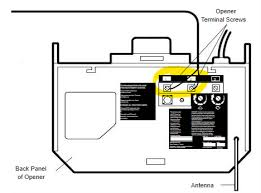
Old Craftsman 1/2 HP Garage Door Opener Manual Overview
The Old Craftsman 1/2 HP Garage Door Opener Manual typically covers installation, operation, safety, and troubleshooting.
👉 These openers were widely popular in the 1990s–early 2000s due to their reliability and simple design.
Read too: How Do You Change Code On Garage Door Keypad Fast?
What Is a Craftsman 1/2 HP Garage Door Opener?
A Craftsman 1/2 HP opener is a motorized system designed to open and close residential garage doors.
Key Components:
- Motor unit (1/2 horsepower)
- Rail and trolley system
- Chain or belt drive
- Remote control or wall switch
- Safety sensors
These systems operate using electric motors and mechanical drive systems, as described in Wikipedia.
How Do I Identify My Old Craftsman Model?
Before using the manual, identify your model number.
Where to Find It:
- Back or side of motor unit
- Inside light cover
- On original paperwork
Example Model Numbers:
- 139.53615
- 139.53985
- 139.53675
👉 Knowing your model helps with accurate troubleshooting.
Step-by-Step: Basic Setup Instructions
Even without the original manual, you can follow these general setup steps.
Step 1: Install the Rail System
- Attach rail sections together
- Secure to motor unit
- Ensure straight alignment
Step 2: Mount the Motor Unit
- Install ceiling bracket
- Hang opener using metal straps
- Keep unit level
Step 3: Attach the Door Arm
- Connect trolley to garage door
- Use bolts and brackets
- Ensure tight fit
Step 4: Install Safety Sensors
- Mount sensors 4–6 inches above floor
- Align both sides properly
- LED lights should stay solid
Step 5: Connect Power
- Plug into grounded outlet
- Avoid extension cords
Step 6: Test the System
- Use wall control
- Check smooth operation
How To Program Remote for Old Craftsman Opener
Older Craftsman models use a Learn button system.
Steps:
- Locate Learn button on motor unit
- Press and release
- Press remote button
- Wait for light to blink
👉 Programming takes less than 2 minutes.
How To Adjust Travel Limits
Travel limits control how far the door opens and closes.
Steps:
- Locate adjustment screws
- Turn clockwise to increase travel
- Turn counterclockwise to decrease
- Test after each adjustment
How To Adjust Force Settings
Force settings control how much power the opener uses.
Steps:
- Find force adjustment dials
- Increase if door won’t close
- Decrease if door reverses too quickly
Common Problems and Solutions
1. Garage Door Won’t Open
- Check power supply
- Replace remote batteries
2. Door Reverses Before Closing
- Adjust travel limits
- Clean safety sensors
3. Noisy Operation
- Lubricate chain or belt
- Tighten hardware
4. Remote Not Working
- Reprogram remote
- Replace batteries
Troubleshooting Table
| Problem | Cause | Solution |
|---|---|---|
| Door won’t move | Power issue | Check outlet |
| Door reverses | Sensor misalignment | Adjust sensors |
| Loud noise | Dry chain | Lubricate |
| Remote fails | Lost signal | Reprogram |
Maintenance Tips for Old Craftsman Openers
Regular maintenance extends lifespan.
Checklist:
- Lubricate chain every 6 months
- Tighten bolts and screws
- Clean tracks
- Test safety sensors
👉 Proper maintenance can extend opener life by 5–10 years.
Safety Guidelines You Should Follow
Garage door systems involve high tension.
Important Tips:
- Never touch springs
- Disconnect power before repairs
- Keep children away
- Test auto-reverse feature regularly
Pros vs Cons of Old Craftsman 1/2 HP Openers
Advantages
- ✅ Durable and long-lasting
- ✅ Simple design
- ✅ Easy DIY repairs
Disadvantages
- ❌ No smart features
- ❌ Noisy (chain drive)
- ❌ Limited compatibility with modern tech
Should You Repair or Replace Your Old Opener?
Repair If:
- Minor issues (remote, sensors)
- Motor still working
Replace If:
- Frequent breakdowns
- Outdated safety features
- Excessive noise
Real-Life Example
A homeowner with a 20-year-old Craftsman opener used basic maintenance and adjustments to restore full function. Instead of replacing the unit, they spent under $30 on parts and extended its life by several years.
Estimated Costs for Repairs
- Remote replacement: $15–$40
- Sensor replacement: $20–$60
- Professional repair: $100–$250
When Should You Call a Professional?
Call an Expert If:
- Motor stops working
- Wiring issues occur
- Door is off track
- Safety sensors fail repeatedly
FAQ: Old Craftsman 1/2 HP Garage Door Opener Manual
1. Where can I find my Craftsman opener manual?
You can often find it online using your model number.
2. How long do Craftsman openers last?
Typically 10–20 years with proper maintenance.
3. Can I upgrade my old Craftsman opener?
Yes, you can add universal remotes or smart controllers.
4. Why is my opener so noisy?
Most older models use chain drives, which are naturally louder.
5. Can I replace parts instead of the whole unit?
Yes, many parts are still available and easy to install.
6. Is it safe to keep using an old opener?
Yes, as long as safety features work properly.
Conclusion
Having access to an Old Craftsman 1/2 HP Garage Door Opener Manual makes maintaining and troubleshooting your opener much easier. Even without the original booklet, you can follow this guide to install, program, adjust, and repair your system effectively.
With proper care and regular maintenance, these reliable openers can continue working for many years.
Leave a Reply