If you’re thinking, “My garage door is not opening all the way,” you’re definitely not alone. This is one of the most common garage door issues homeowners face, and it can be frustrating—especially when you’re in a hurry. The good news? Most causes are easy to identify and fix with the right guidance.
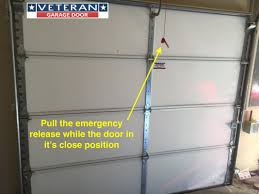
Why Is My Garage Door Not Opening All The Way?
When your garage door stops short, it’s usually due to a mechanical or adjustment issue. Modern garage systems rely on multiple components working together, and even a small misalignment can cause problems.
Read too: How Do You Change Code On Garage Door Keypad Fast?
Common Causes Include:
- Limit settings are incorrect
- Obstructions in the track
- Sensor misalignment
- Worn-out springs or cables
- Opener force settings too low
According to home maintenance data, over 60% of garage door problems are caused by minor adjustments rather than major repairs.
How Do Garage Door Limit Settings Affect Opening?
What Are Limit Settings?
Limit settings control how far your garage door travels when opening or closing. If these are set incorrectly, your door may stop before reaching the fully open position.
How to Adjust Limit Settings (Step-by-Step)
Step 1: Locate Adjustment Screws
- Found on the garage door opener unit
- Usually labeled “Up” and “Down”
Step 2: Turn the “Up” Screw
- Use a flathead screwdriver
- Turn clockwise to increase opening distance
Step 3: Test the Door
- Open the door fully
- Repeat adjustment in small increments (¼ turn)
Step 4: Fine-Tune
- Stop once the door opens completely without strain
Could Something Be Blocking the Garage Door Track?
Signs of Obstruction:
- Grinding noise
- Jerky movement
- Door stops mid-way
How to Inspect the Track
- Check for debris (dust, leaves, small objects)
- Inspect for bent or damaged rails
- Clean using a dry cloth (avoid water buildup)
Even a small object can disrupt smooth movement.
Are Garage Door Sensors Causing the Problem?
Safety sensors prevent accidents by detecting obstacles. If misaligned, they can stop the door from opening properly.
How to Fix Sensor Issues:
- Ensure both sensors face each other
- Clean lenses with a soft cloth
- Check for blinking lights (indicates misalignment)
Sensors are a critical part of modern garage systems, as explained in Wikipedia under general automation safety principles.
What If the Springs or Cables Are Damaged?
Warning Signs:
- Door feels heavy
- Loud snapping sound
- Uneven movement
Garage door springs handle most of the lifting force. If they fail, the opener cannot lift the door fully.
⚠️ Important: Do NOT attempt to repair springs yourself—they are under high tension and can cause serious injury.
How Opener Force Settings Impact Performance
If the opener’s force setting is too low, it may stop before fully opening.
Adjusting Force Settings:
- Locate force adjustment knobs
- Increase slightly (10–15%)
- Test door operation
Avoid setting too high, as it may damage the system.
Quick Troubleshooting Checklist
Before calling a professional, run through this:
- ✅ Check power supply
- ✅ Adjust limit settings
- ✅ Inspect tracks for debris
- ✅ Align safety sensors
- ✅ Test opener force
DIY Fixes vs Professional Repair
DIY Fixes (Safe to Try)
- Adjust limits
- Clean tracks
- Align sensors
Call a Professional If:
- Springs are broken
- Motor is malfunctioning
- Door is off track
Pros vs Cons of DIY Garage Door Fixes
Advantages
- ✅ Saves money
- ✅ Quick solutions
- ✅ Easy for minor issues
Disadvantages
- ❌ Risk of injury
- ❌ Limited to simple fixes
- ❌ May worsen issue if done incorrectly
Real-Life Example: Simple Fix That Worked
A homeowner noticed their garage door stopped 1 foot short of opening fully. After adjusting the “Up” limit screw by just ½ turn, the problem was solved in under 10 minutes—no repair cost needed.
Expert Tips to Prevent Future Problems
- Lubricate moving parts every 6 months
- Inspect tracks monthly
- Test auto-reverse safety feature
- Replace worn parts early
Preventive maintenance can extend your garage door lifespan by up to 30%.
FAQ: My Garage Door Is Not Opening All The Way
1. Why does my garage door stop halfway?
This is usually due to incorrect limit settings or track obstruction.
2. Can I fix this problem myself?
Yes, if it’s related to adjustments or cleaning. Avoid complex repairs.
3. How much does it cost to fix?
- Minor fix: $0–$50
- Professional repair: $100–$300
4. Is it dangerous if my door won’t open fully?
It can be, especially if caused by damaged springs or cables.
5. How often should I maintain my garage door?
At least twice a year for optimal performance.
6. Should I replace or repair my garage door?
Repair if the issue is minor. Replace if the system is old or frequently failing.
Conclusion
If you’re dealing with the issue “My garage door is not opening all the way,” the solution is often simpler than it seems. From adjusting limit settings to clearing track obstructions, most fixes can be done quickly and safely at home.
However, always prioritize safety—especially when dealing with springs or electrical components.
By following this guide, you can restore your garage door’s full function and avoid unnecessary expenses.
Leave a Reply