If your Liftmaster Garage Door Remote Will Open But Not Close, you’re not alone. This is a common issue many homeowners face, and it can be frustrating—especially when you’re in a hurry. The good news? In most cases, the problem is easy to diagnose and fix with a few simple steps.
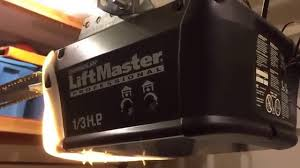
Why Does a LiftMaster Remote Open but Not Close?
When your remote opens the garage door but won’t close it, the issue is usually tied to safety mechanisms rather than the remote itself.
Modern garage door systems are designed with strict safety features. According to industry data, over 70% of closing-related issues are caused by sensor interference or misalignment.
Here are the most common causes:
- Misaligned safety sensors
- Blocked sensor path
- Dirty sensor lenses
- Wiring issues
- Lock mode enabled
- Faulty control board
Read too: How Do You Change Code On Garage Door Keypad Fast?
How Do Garage Door Safety Sensors Work?
Before fixing the issue, it’s important to understand the system.
Garage doors use photo-eye sensors installed near the floor on both sides. These sensors send an invisible beam across the door opening.
👉 If the beam is interrupted, the door will not close as a safety precaution.
For more technical context, you can read about how sensors function on this authoritative source:
https://en.wikipedia.org/wiki/Photoelectric_sensor
Step-by-Step Fix: LiftMaster Remote Won’t Close Door
1. Check for Obstructions
Start with the simplest fix.
Steps:
- Look along the bottom of the garage door opening
- Remove any objects (tools, leaves, debris)
- Try closing the door again
✔ Even small objects can block the sensor beam.
2. Clean the Sensor Lenses
Dirty sensors are a very common issue.
What to do:
- Use a soft cloth or microfiber towel
- Gently wipe both sensor lenses
- Avoid using harsh chemicals
💡 Tip: Dust buildup can reduce sensor accuracy by up to 30%.
3. Realign the Safety Sensors
Misalignment is the #1 cause of this problem.
How to fix it:
- Locate both sensors (usually 4–6 inches above the floor)
- Check the LED lights:
- Solid light = aligned
- Blinking light = misaligned
- Adjust the sensors until both lights stay solid
✔ Tighten the brackets once aligned.
4. Inspect Sensor Wiring
Loose or damaged wires can interrupt the signal.
Steps:
- Check wires running from sensors to the opener
- Look for cuts, frays, or disconnections
- Reconnect any loose wires securely
⚠ If wires are damaged, replacement may be required.
5. Disable Lock Mode
Sometimes the issue isn’t the sensor—it’s the wall control.
Symptoms:
- Remote won’t close the door
- Wall button works fine
Fix:
- Locate the wall control panel
- Press and hold the “Lock” button for 2–3 seconds
- Test the remote again
6. Test the Wall Control
Try closing the door using the wall button.
| Result | Meaning |
|---|---|
| Door closes normally | Remote issue |
| Door won’t close | Sensor/system issue |
✔ This helps isolate the problem quickly.
7. Replace Remote Batteries
Low battery can cause inconsistent signals.
Steps:
- Open the remote casing
- Replace with a new battery (usually CR2032)
- Test again
8. Check for Sunlight Interference
Direct sunlight can interfere with sensors.
Fix options:
- Shade the sensors
- Install sensor shields
- Reposition slightly
💡 This is especially common in west-facing garages.
9. Reset the Garage Door Opener
If all else fails, a reset may help.
Steps:
- Unplug the opener
- Wait 30–60 seconds
- Plug it back in
- Test the system
Common Causes vs Solutions
| Problem | Solution | Difficulty |
|---|---|---|
| Sensor blocked | Remove obstruction | Easy |
| Dirty lenses | Clean sensors | Easy |
| Misaligned sensors | Adjust alignment | Medium |
| Wiring issue | Repair/replace wires | Medium |
| Lock mode enabled | Disable lock mode | Easy |
| Faulty board | Replace opener | Hard |
When Should You Call a Professional?
You should consider professional help if:
- Sensors are aligned but still not working
- Wiring is damaged inside walls
- The opener clicks but doesn’t respond
- You suspect a circuit board failure
Garage door systems involve electrical components and heavy mechanical parts—safety comes first.
Preventive Maintenance Tips
To avoid future issues:
- Clean sensors every 1–2 months
- Inspect alignment quarterly
- Keep garage floor clear
- Replace remote batteries annually
- Test safety reverse function monthly
✔ Preventive care can reduce issues by up to 60%.
FAQ: LiftMaster Remote Issues
Q1: Why does my LiftMaster remote open but not close the door?
A: The most common cause is misaligned or blocked safety sensors. The system prevents closing for safety reasons.
Q2: Can I bypass the sensors to close the door?
A: Temporarily, you can hold the wall button to force close the door. However, this is not recommended as a permanent solution.
Q3: How do I know if my sensors are aligned?
A: Check the LED lights. Both should be solid (not blinking). Blinking indicates misalignment.
Q4: Why does my garage door close only sometimes?
A: This usually indicates intermittent sensor interference, sunlight issues, or loose wiring.
Q5: Does a weak battery affect closing only?
A: Yes, sometimes a weak signal may allow opening but fail to send a strong enough command to close.
Q6: How long do LiftMaster sensors last?
A: Typically 10–15 years, depending on usage and environmental conditions.
Conclusion
Dealing with a Liftmaster Garage Door Remote Will Open But Not Close issue can be frustrating, but in most cases, it’s caused by simple problems like sensor misalignment, dirt, or minor interference.
By following the step-by-step fixes above, you can quickly restore your garage door’s full functionality without needing expensive repairs.
If this guide helped you, consider sharing it on social media to help others solve the same issue quickly and safely.
Leave a Reply