Dealing with a damaged garage door can be stressful—especially when you’re unsure who should pay for it. Many homeowners ask, “Is a broken garage door covered by homeowners insurance?” The answer depends on the cause of the damage, and understanding your policy can save you hundreds—or even thousands—of dollars.
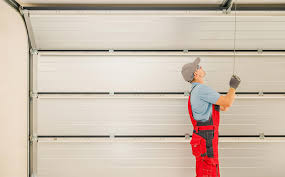
Is A Broken Garage Door Covered By Homeowners Insurance?
The short answer: Yes, but only in certain situations.
Homeowners insurance typically covers sudden and accidental damage. If your garage door was damaged by a covered peril, your policy will likely help pay for repairs or replacement.
Read too: How Do You Change Code On Garage Door Keypad Fast?
Covered Situations Include:
- Storm damage (wind, hail, lightning)
- Fire or smoke damage
- Vandalism or theft
- Vehicle impact (even your own car in some cases)
Not Covered:
- Normal wear and tear
- Mechanical failure
- Lack of maintenance
- Pest damage
In insurance terms, coverage depends on whether the event is considered a “covered peril.”
What Types of Garage Door Damage Are Covered?
1. Storm or Weather Damage
If strong winds or hail damage your garage door, it’s usually covered under the dwelling coverage part of your policy.
According to insurance industry data, weather-related claims account for nearly 50% of all homeowners insurance claims in the U.S.
2. Fire and Smoke Damage
Garage doors damaged by fire are almost always covered, including structural and cosmetic repairs.
3. Vandalism or Theft
If someone intentionally damages your garage door, your insurance should cover repairs after you file a police report.
4. Vehicle Damage
If your car accidentally hits your garage door:
- Your homeowners insurance may cover it
- Your auto insurance may also apply
What Types of Damage Are NOT Covered?
Understanding exclusions is just as important.
Common Exclusions:
- Wear and Tear: Old springs or rusted panels
- Mechanical Breakdown: Motor or opener failure
- Neglect: Ignoring maintenance issues
- Flood or Earthquake: Requires separate policies
For example, if your garage door stops working due to age, you’ll likely have to pay out of pocket.
How Does Homeowners Insurance Coverage Work?
Homeowners insurance policies typically include:
Coverage Breakdown
| Coverage Type | What It Covers |
|---|---|
| Dwelling Coverage | Structure of your garage |
| Other Structures | Detached garages |
| Personal Property | Items inside garage |
| Liability | Injuries related to damage |
To understand policy structure, you can refer to Wikipedia for general insurance definitions and terms.
How To File a Claim for Garage Door Damage
If your garage door is damaged, follow these steps:
Step-by-Step Claim Process
Step 1: Document the Damage
- Take clear photos from multiple angles
- Include close-ups and wide shots
Step 2: Review Your Policy
Check:
- Covered perils
- Deductible amount
- Coverage limits
Step 3: Contact Your Insurance Company
- Call or file a claim online
- Provide detailed information
Step 4: Get Repair Estimates
- Obtain 2–3 quotes from licensed contractors
- Average repair cost: $150–$600
- Replacement cost: $800–$2,500+
Step 5: Meet the Adjuster
An insurance adjuster may inspect the damage to determine payout.
Step 6: Complete Repairs
Once approved, proceed with repairs and keep receipts.
Should You File a Claim or Pay Out of Pocket?
This is a common dilemma.
Quick Decision Guide
File a claim if:
- Damage cost exceeds your deductible
- Cause is clearly covered
- Repair is expensive
Pay out of pocket if:
- Damage is minor
- Cost is below deductible
- You want to avoid premium increases
Pros vs Cons of Filing a Claim
Advantages
- ✅ Reduces out-of-pocket expenses
- ✅ Covers major damage
- ✅ Provides peace of mind
Disadvantages
- ❌ Deductible applies
- ❌ Possible premium increase
- ❌ Claims history impact
Real-Life Scenario: When Coverage Applies
Case Study:
A homeowner in Texas experienced a severe storm that dented their garage door. The repair estimate was $1,200.
- Deductible: $500
- Insurance payout: $700
This shows how insurance can significantly reduce financial burden when the damage is covered.
Expert Tips to Maximize Your Claim
- Keep maintenance records
- Act quickly after damage occurs
- Avoid temporary DIY fixes before inspection
- Use licensed contractors only
Insurance professionals emphasize documentation as the key to successful claims.
FAQ: Is A Broken Garage Door Covered By Homeowners Insurance?
1. Does homeowners insurance cover garage door opener repairs?
Usually no. Mechanical failures are considered maintenance issues.
2. Is accidental damage covered?
Yes, if it’s sudden and unintentional (like hitting the door with your car).
3. Will filing a claim increase my premium?
It might, depending on your insurer and claims history.
4. Are detached garages covered?
Yes, under “other structures” coverage in most policies.
5. What if my garage door breaks from old age?
This is not covered. Insurance does not pay for wear and tear.
6. How long do I have to file a claim?
Most insurers require claims within 30–60 days, but check your policy.
Conclusion
So, is a broken garage door covered by homeowners insurance? The answer depends on how the damage occurred. If it’s caused by a covered event like a storm, fire, or vandalism, you’re likely protected. But if it’s due to wear and tear or neglect, you’ll need to handle the cost yourself.
Understanding your policy, documenting damage, and making informed decisions can save you money and stress.
If you found this guide helpful, share it on social media to help other homeowners navigate insurance claims with confidence! 🏠🚪
Leave a Reply