If you’re planning a new garage or upgrading an existing one, you’ve probably asked yourself: how wide of a garage door can you make without compromising structure or cost? It’s a common question—and the answer depends on several factors like design, materials, and building limitations.
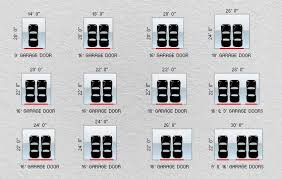
The good news is that modern engineering allows for surprisingly wide garage doors—but there are practical limits you should understand before making a decision.
How Wide Of A Garage Door Can You Make? (Quick Answer)
The width of a garage door can range from:
- Single-car garage: 8–10 feet wide
- Double-car garage: 16–18 feet wide
- Custom oversized doors: 20–32 feet wide (or more in specialized cases)
Read too: How Do You Change Code On Garage Door Keypad Fast?
👉 In most residential settings, 16 feet is the standard maximum for a double garage. However, custom-built doors can exceed 30 feet, especially in luxury homes or commercial properties.
What Is the Maximum Garage Door Width Possible?
Technically, there is no absolute limit—but structural engineering becomes critical as width increases.
Typical Maximum Ranges:
- Residential custom doors: up to 24 feet
- High-end or luxury builds: 28–32 feet
- Commercial or industrial: 40+ feet
According to construction experts, wider doors require reinforced headers, steel framing, and stronger tracks to support the added weight.
For a deeper look at structural considerations, see:
https://en.wikipedia.org/wiki/Garage_door
What Factors Determine Garage Door Width?
1. Structural Support (Most Important)
The wider the door, the more load is placed on the structure above it.
- Requires reinforced beams (steel or laminated wood)
- Must comply with local building codes
- Needs professional engineering for spans above 20 feet
2. Garage Purpose
Your intended use directly affects ideal width:
- Single vehicle: 8–10 feet
- Two cars: 16–18 feet
- Truck/RV storage: 12–14 feet (per bay)
- Workshops: 20+ feet for flexibility
3. Door Material
Different materials impact how wide you can go:
| Material | Max Practical Width | Notes |
|---|---|---|
| Steel | 24–32 ft | Strong and durable |
| Aluminum | 20–28 ft | Lightweight, modern look |
| Wood | 16–24 ft | Heavier, needs reinforcement |
| Glass/Full-view | 20–30 ft | Popular in modern homes |
4. Opening Mechanism
Not all door types handle wide openings equally:
- Sectional doors: Best for large widths
- Roll-up doors: Limited in residential use
- Swing-out doors: Not ideal for very wide spaces
Standard vs Custom Garage Door Widths
Standard Sizes (Most Homes)
- 8 ft (single compact car)
- 9 ft (standard single)
- 16 ft (double garage)
- 18 ft (larger vehicles)
Custom Sizes (Flexible Design)
Custom garage doors can be made in 1-foot increments or even tailored precisely.
👉 Example:
- 22 ft for two trucks
- 24 ft for workshop access
- 30 ft for luxury open-concept garages
Pros vs Cons of Extra-Wide Garage Doors
Advantages
✔ Easier parking and maneuvering
✔ Modern, clean aesthetic
✔ Fewer center columns (open space)
✔ Ideal for large vehicles or multiple cars
Disadvantages
✖ Higher cost (materials + labor)
✖ Requires stronger structural support
✖ Heavier doors need powerful openers
✖ Potential heat loss (larger opening)
How Much Does a Wide Garage Door Cost?
Costs increase significantly with width.
Estimated Pricing:
| Width | Average Cost Installed |
|---|---|
| 16 ft | $800 – $2,500 |
| 18–20 ft | $1,500 – $4,000 |
| 22–24 ft | $2,500 – $6,000 |
| 28+ ft | $5,000 – $10,000+ |
💡 Custom designs with glass or premium finishes can exceed $15,000.
Do You Need a Professional for Wide Garage Doors?
Short answer: Yes, for anything above 18–20 feet.
Why?
- Structural calculations are required
- Installation complexity increases
- Safety risks (heavy springs and tension systems)
Professional installers ensure compliance with U.S. building codes and safety standards.
Step-by-Step: Choosing the Right Garage Door Width
Step 1: Measure Your Garage Opening
- Width: measure at top, middle, and bottom
- Height: standard is 7–8 feet
Step 2: Consider Vehicle Size
- Compact car: ~6 ft wide
- SUV/truck: ~6.5–7.5 ft wide
👉 Add at least 2–3 feet clearance per vehicle.
Step 3: Plan for Future Needs
- Extra storage?
- Additional vehicles?
- Workshop space?
Step 4: Check Structural Limits
Consult a contractor if exceeding 20 feet.
Step 5: Choose Material and Style
Balance between:
- Aesthetics
- Durability
- Budget
Real-World Example (Case Study)
A homeowner in Texas upgraded from a 16 ft to a 24 ft garage door to accommodate two trucks and a workspace.
Results:
- +40% easier parking
- Increased home value
- Cost: ~$5,800 installed
However, they needed a steel support beam upgrade, adding $1,200 to the project.
Common Mistakes to Avoid
- ❌ Choosing width based only on current vehicle
- ❌ Ignoring structural limitations
- ❌ Skipping insulation for large doors
- ❌ Underestimating opener power needs
FAQ: How Wide Of A Garage Door Can You Make
Q1: What is the widest garage door for a house?
A: Most residential garage doors max out around 24–32 feet, depending on structure and materials.
Q2: Can I install a 20-foot garage door?
A: Yes, but it usually requires reinforced framing and a heavy-duty opener system.
Q3: Is one large door better than two smaller ones?
A: One large door offers convenience and space, but two doors provide better insulation and redundancy.
Q4: How much clearance do I need per car?
A: At least 2–3 feet per side for comfortable entry and exit.
Q5: Are wider garage doors less secure?
A: Not necessarily. Modern systems use advanced locking and rolling code technology.
Q6: Do wide garage doors need special openers?
A: Yes. Doors over 16 feet typically require high-horsepower openers (¾ HP or higher).
Conclusion
So, how wide of a garage door can you make? The answer depends on your needs, structure, and budget—but modern solutions allow widths well beyond standard sizes. Whether you stick with a 16-foot classic or go bold with a 24+ foot custom door, the key is balancing functionality, safety, and long-term value.
If this guide helped you make a decision, feel free to share it with others planning their garage project. A well-designed garage door isn’t just practical—it’s an upgrade that adds comfort and value to your home. 🚗
Leave a Reply