If you’re wondering how to wire a garage door opener without sensors, you’re not alone. Some older garage door systems or temporary setups may require bypassing sensors to function correctly. While modern safety standards require sensors, understanding the wiring process can help with maintenance or troubleshooting.
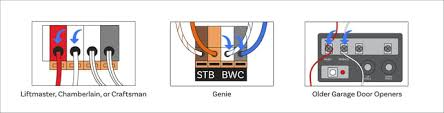
By learning the correct wiring techniques, you can ensure your door operates smoothly while maintaining as much safety as possible, even without sensors.
Understanding Garage Door Opener Sensors
Most modern garage door openers use photoelectric safety sensors, which prevent the door from closing if something is in the path.
Key Points:
- Mounted 6 inches above the ground on each side of the door.
- Send and receive infrared beams.
- Prevent injuries or damage by stopping door movement if obstructed.
Read too: Tc1 Tricode Garage Door Opener Remote W/ Clip Chamberlain: Complete Guide
Bypassing these sensors is generally not recommended for permanent setups but can be necessary temporarily during repairs or installations.
According to the U.S. Consumer Product Safety Commission, sensors reduce injuries by over 80%, highlighting their importance.
Tools and Materials Needed
Before starting, gather the following:
- Screwdriver set (Phillips and flathead)
- Wire nuts and connectors
- Electrical tape
- Voltage tester
- Wire strippers
- Ladder for safe access
Tip: Always unplug the opener from the power source before attempting wiring work.
Step-by-Step Guide: Wiring Without Sensors
Step 1: Disconnect Power
Ensure your garage door opener is unplugged. This prevents accidental activation and electric shock.
Step 2: Locate the Sensor Wires
- Most openers have two small wires connecting to the sensor terminals.
- On older models, these wires may be color-coded: usually white and white/black.
Step 3: Bypass the Sensor Circuit
- Option A: Short the Wires
- Strip the ends of the two sensor wires.
- Twist them together and secure with a wire nut.
- This completes the circuit, tricking the opener into thinking the sensor is active.
- Option B: Use Jumper Wire
- If the wires are too short, use a short jumper wire to connect terminals.
Step 4: Test the Door Operation
- Reconnect power.
- Press the remote or wall button.
- The door should open and close normally.
Warning: The door will now operate without safety detection, so ensure no one or nothing is in the path when testing.
Advantages vs Disadvantages of Wiring Without Sensors
| Pros | Cons |
|---|---|
| Quick temporary solution | Door may close on people, pets, or objects |
| Simple wiring | Not compliant with modern safety codes |
| Useful for older openers | Could void warranty or insurance coverage |
| Allows testing or troubleshooting | Increased risk of injury or damage |
Safety Considerations
Even when wiring without sensors:
- Never leave the door unattended while operating.
- Keep children and pets away during tests.
- Label the system clearly to indicate sensor bypass.
- Consider temporary barriers like cones or boards to prevent accidents.
Remember, bypassing sensors is not recommended as a permanent solution. Modern openers and local building codes often require sensors for safety.
Real-Life Case Study
Scenario:
John, a homeowner in Florida, had a malfunctioning sensor on an older LiftMaster opener. He needed the garage functional while waiting for a replacement sensor.
Solution:
- John unplugged the opener and located the sensor wires.
- Using a wire nut, he temporarily shorted the wires.
- After reconnecting power, the door operated normally.
Result: The door was usable temporarily, but John ordered a replacement sensor to restore safety. This minimized downtime without compromising long-term safety.
Troubleshooting Tips
- Door Won’t Close: Check that the wires are fully connected and no loose connections exist.
- Opener Doesn’t Activate: Ensure the circuit is complete and the opener is plugged in.
- Sparks or Smell of Burning: Immediately disconnect power; inspect wires for damage.
Always use a voltage tester to confirm no live current before handling wires.
Alternative Solutions
If bypassing sensors seems unsafe or non-compliant:
- Temporary Manual Operation: Many openers allow manual rope release to operate the door.
- Sensor Alignment: Sometimes misalignment causes failure; adjusting sensor height or angle can restore function.
- Wireless Sensors: Upgrade to battery-operated sensors for temporary functionality without rewiring.
Maintenance Tips for Older Openers
- Clean sensor lenses with a soft cloth every 6 months.
- Lubricate moving parts such as rollers and hinges.
- Inspect wiring for fraying or corrosion.
- Replace worn parts proactively to prevent emergency bypassing.
Proper maintenance reduces the need to bypass sensors, keeping your garage door safe and reliable.
External Reference
For additional details on garage door openers and safety features, see Wikipedia: Garage Door.
FAQ: How To Wire A Garage Door Opener Without Sensors
Q1: Is it safe to wire a garage door opener without sensors?
A: It’s only safe temporarily. Sensors prevent injuries, so permanent bypass is not recommended.
Q2: Can I bypass sensors on all garage door openers?
A: Most older models can be bypassed, but modern openers may not allow it due to safety interlocks.
Q3: Will bypassing sensors damage my opener?
A: If done correctly, it won’t damage the motor, but improper wiring can cause shorts or void warranties.
Q4: Are there legal restrictions on bypassing sensors?
A: Many local building codes require functional sensors for residential openers. Check regulations before bypassing.
Q5: How do I restore sensor functionality?
A: Disconnect the temporary connection, reinstall or replace the sensors, and align the infrared beam.
Q6: Can I use a wireless sensor instead of rewiring?
A: Yes, wireless sensors allow safe operation without direct wiring changes.
Conclusion
Knowing how to wire a garage door opener without sensors can be helpful for temporary repairs, testing, or troubleshooting. However, bypassing safety devices should never be permanent. Always prioritize safety, follow proper wiring practices, and restore sensors as soon as possible.
By understanding the process, maintaining your opener, and implementing safety precautions, you can keep your garage door functional and minimize downtime.
Share this guide with friends or family to help them handle temporary garage door wiring issues safely.
Leave a Reply