If your garage door isn’t opening properly, you may be wondering How To Wind The Spring On A Garage Door without risking injury. You’re not alone—this is one of the most searched DIY repair tasks for homeowners.
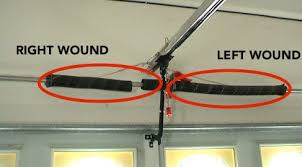
Winding a garage door spring is possible, but it requires precision, the right tools, and strict safety precautions. This guide will walk you through the process step by step.
What Does Winding a Garage Door Spring Mean?
Before jumping into the process, it’s important to understand what “winding” actually does.
Read too: Tc1 Tricode Garage Door Opener Remote W/ Clip Chamberlain: Complete Guide
Garage door springs—especially torsion springs—store mechanical energy. When wound, they help lift the door by counterbalancing its weight.
Key Facts
- A standard garage door weighs 130–400 pounds
- Properly wound springs carry up to 95% of the load
- Incorrect tension can cause door imbalance or failure
To understand the basic mechanics of springs, you can refer to this authoritative source:
https://en.wikipedia.org/wiki/Spring_(device)
Is It Safe to Wind a Garage Door Spring Yourself?
Short Answer: Yes, But With Caution
Winding a garage door spring is considered an advanced DIY task.
Risks Involved
- High tension can cause serious injury
- Tools can slip under pressure
- Springs may snap unexpectedly
Industry Insight
According to safety reports, garage door-related accidents result in thousands of injuries annually in the U.S., many linked to improper spring handling.
Recommendation: If you’re unsure, hire a professional.
What Tools Do You Need to Wind a Garage Door Spring?
Using the correct tools is non-negotiable.
Essential Tools Checklist
- Winding bars (solid steel, 18–24 inches)
- Adjustable wrench
- Locking pliers (vise grips)
- Ladder (stable, non-slip)
- Safety glasses and gloves
Important Note
Never use screwdrivers instead of winding bars—they can slip and cause injury.
How To Wind The Spring On A Garage Door (Step-by-Step)
This section provides a clear, safe, and structured approach.
Step 1: Close the Garage Door Completely
- Ensure the door is fully closed
- Disconnect the automatic opener
Step 2: Secure the Door
- Clamp locking pliers onto the track
- Prevents the door from moving during adjustment
Step 3: Insert the First Winding Bar
- Insert into the winding cone hole
- Hold firmly—this controls spring tension
Step 4: Loosen the Set Screws
- Use a wrench to loosen screws carefully
- Keep a strong grip on the bar
Step 5: Begin Winding
- Rotate the bar upward (typically quarter turns)
- Insert the second bar before removing the first
Step 6: Count the Turns
Typical guidelines:
| Door Height | Turns Required |
|---|---|
| 7 feet | 30–31 quarter turns |
| 8 feet | 34–36 quarter turns |
Step 7: Tighten the Set Screws
- Secure the spring after reaching proper tension
- Ensure screws are tight but not over-tightened
Step 8: Test the Door Balance
- Lift the door halfway manually
- It should stay in place without falling or rising
How Do You Know If the Spring Is Properly Wound?
Signs of Correct Tension
- Door opens smoothly
- Stays balanced halfway
- Minimal strain on opener
Signs of Incorrect Winding
- Door slams shut → under-wound
- Door rises on its own → over-wound
Torsion Spring vs Extension Spring: What’s the Difference?
Understanding your system is crucial before attempting any repair.
Comparison Table
| Feature | Torsion Spring | Extension Spring |
|---|---|---|
| Location | Above door | Along tracks |
| Safety | Safer (controlled) | Less safe |
| Lifespan | Longer | Shorter |
| Adjustment | Requires winding | Easier but riskier |
Tip: Most modern homes use torsion springs.
Common Mistakes to Avoid
1. Using Improper Tools
This is the leading cause of DIY injuries.
2. Incorrect Turn Count
Too many or too few turns affect door balance.
3. Ignoring Safety Gear
Always wear gloves and eye protection.
4. Working Alone
Having someone nearby adds an extra layer of safety.
DIY vs Professional: Which Is Better?
DIY Advantages
- Lower cost
- Immediate solution
DIY Disadvantages
- High risk
- Requires precision
- No warranty
Professional Benefits
- Safe installation
- Accurate tension calibration
- Long-term reliability
Maintenance Tips After Winding the Spring
Keeping your garage door system in good shape prevents future issues.
Routine Maintenance Checklist
- Lubricate springs every 3–6 months
- Inspect for rust or gaps
- Test balance monthly
- Tighten hardware as needed
Pro Tip
Upgrade to high-cycle springs (20,000–30,000 cycles) if you use your garage frequently.
Advantages vs Risks of Winding Garage Door Springs
Advantages
- Restores door functionality
- Saves repair costs
- Improves door balance
Risks
- Serious injury
- Property damage
- Incorrect installation issues
FAQ Section
Frequently Asked Questions About How To Wind The Spring On A Garage Door
1. How many turns does a garage door spring need?
Most standard doors require 30–36 quarter turns, depending on height.
2. Can I wind a spring without special tools?
No. Using improper tools like screwdrivers is dangerous and not recommended.
3. How long does it take to wind a garage door spring?
Typically 30–60 minutes if done correctly and safely.
4. What happens if I over-wind the spring?
The door may open too quickly or not stay closed, increasing wear and risk.
5. Should I replace both springs at once?
Yes. Replacing both ensures balanced performance and longer lifespan.
6. Is it worth doing this DIY?
It depends on your experience. Beginners may find it safer to hire a professional.
Conclusion
Learning How To Wind The Spring On A Garage Door can save you time and money—but only if done correctly and safely. With the right tools, careful steps, and attention to detail, it’s possible to restore your garage door’s performance.
However, safety should always come first. If you feel unsure at any step, don’t hesitate to call a professional.
If this guide helped you, share it on social media so others can learn how to handle garage door repairs safely and confidently!
Leave a Reply