If your garage door won’t close properly, the culprit may be misaligned sensors. Understanding How To Tell If Garage Door Sensors Are Aligned is essential for safety and proper operation. Misaligned sensors can prevent your door from closing, posing a safety risk and daily inconvenience.
This guide will help you identify alignment issues, troubleshoot common problems, and ensure your garage door operates safely every time.
Read too: Tc1 Tricode Garage Door Opener Remote W/ Clip Chamberlain: Complete Guide
What Are Garage Door Sensors?
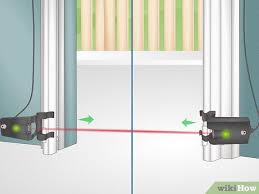
Garage door sensors are small devices located on either side of the garage door, typically 4–6 inches above the floor. They use an infrared beam to detect objects in the door’s path:
- Safety Beam: Stops the door from closing if an obstruction is detected
- Alignment: Both sensors must face each other for the beam to function
- Indicator Lights: Usually a green light for alignment, red or blinking light for issues
Proper alignment ensures safety and prevents damage to your garage door system.
Signs Your Sensors May Be Misaligned
Common signs include:
- Garage door reverses after partially closing
- Indicator light on one or both sensors is blinking
- Door stops midway and refuses to close
- Frequent error messages on smart openers
According to industry experts, sensor misalignment accounts for over 40% of garage door malfunctions.
Step-By-Step Guide: How To Tell If Garage Door Sensors Are Aligned
Step 1: Inspect Indicator Lights
- Green Light: Sensor is properly aligned
- Red or Blinking Light: Indicates misalignment or obstruction
- Make sure lights are not covered in dust or debris
Step 2: Check Sensor Positioning
- Both sensors should be facing each other directly
- Height should be approximately 4–6 inches from the floor
- Ensure the sensor brackets are secure and not tilted
Tip: Use a level tool to verify horizontal alignment for accurate positioning.
Step 3: Test the Safety Beam
- Close the garage door slowly using the remote
- Pass an object through the sensor beam
- The door should reverse immediately if the beam is interrupted
This confirms the sensors are communicating and aligned properly.
Step 4: Adjust Sensors if Needed
- Loosen mounting brackets slightly
- Rotate sensor until the indicator light shows green
- Tighten screws to secure in place
- Test multiple times to ensure consistent operation
Step 5: Check for Obstructions
- Remove dirt, debris, or objects near sensors
- Ensure garage door tracks are clear
- Inspect sensor lenses for scratches or damage
Clean lenses with a soft cloth to avoid false readings.
Troubleshooting Common Sensor Problems
| Problem | Cause | Solution |
|---|---|---|
| Door reverses immediately | Sensor misaligned or blocked | Align sensors, remove obstruction |
| Indicator light off | Loose wiring or power issue | Check power connections and wiring |
| Sensors blink intermittently | Dirty lens or loose mount | Clean lens, tighten brackets |
| Door won’t close | Faulty sensor or opener | Replace sensor or consult professional |
Benefits of Properly Aligned Garage Sensors
- Safety: Prevents injuries or damage from closing door
- Reliability: Door operates smoothly without interruption
- Longevity: Reduces wear on the garage door opener system
- Peace of Mind: Confident in safe and secure garage operation
DIY vs Professional Sensor Check
| Option | Pros | Cons |
|---|---|---|
| DIY | Quick, free, convenient | Risk of improper alignment, limited troubleshooting |
| Professional | Ensures proper alignment and safety, resolves electrical issues | Cost $50–$100, requires appointment |
Professional checks are recommended if your sensors are older or repeatedly malfunctioning.
FAQ: How To Tell If Garage Door Sensors Are Aligned
1. How often should I check garage door sensor alignment?
Check at least every 6 months or if your door frequently reverses.
2. Can sensors misalign on their own?
Yes. Vibrations, accidental bumps, or loose brackets can cause misalignment over time.
3. What if the indicator lights are green but the door still reverses?
Inspect for debris in the beam path and ensure wiring is secure. Faulty sensors may need replacement.
4. Can I clean sensors myself?
Yes. Use a soft, damp cloth to remove dust and grime. Avoid abrasive materials that can scratch the lens.
5. Are all garage sensors the same?
No. Check your opener’s manual for model-specific guidelines for height, spacing, and alignment.
6. Is sensor alignment the only reason a garage door reverses?
No. Other causes include track obstruction, faulty springs, or opener malfunctions. Sensors are the most common cause.
Conclusion
Proper sensor alignment is crucial for safe and reliable garage door operation. By following this guide on How To Tell If Garage Door Sensors Are Aligned, you can:
- Ensure your garage door stops safely when objects are detected
- Maintain smooth door operation
- Prevent costly repairs from misalignment damage
Keep your garage safe, test your sensors regularly, and share this guide with friends and family to help them maintain their garage door safety.
Leave a Reply