A garage door that suddenly won’t open—or slams shut—can be alarming. Many homeowners immediately wonder How To Tell If A Garage Door Spring Is Broken and whether it’s safe to use the door. Understanding the warning signs early can prevent injuries, costly repairs, and unnecessary stress.
How To Tell If A Garage Door Spring Is Broken (Quick Answer)
The most common signs of a broken garage door spring include:
- Loud bang or snapping noise
- Garage door won’t open or feels extremely heavy
- Door opens unevenly or crooked
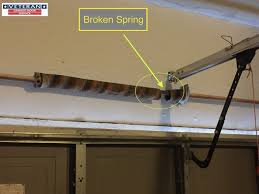
- Visible gap in the spring
- Opener struggles or stops working
Read too: Tc1 Tricode Garage Door Opener Remote W/ Clip Chamberlain: Complete Guide
If you notice one or more of these signs, your spring is likely broken.
What Does a Garage Door Spring Actually Do?
Garage door springs are responsible for counterbalancing the weight of the door.
There are two main types:
- Torsion springs (mounted above the door)
- Extension springs (on the sides)
These springs store mechanical energy and release it to lift the door smoothly.
To better understand the concept of stored energy, you can read:
👉 https://en.wikipedia.org/wiki/Potential_energy
Top Signs Your Garage Door Spring Is Broken
Let’s break down the most reliable indicators.
1. You Heard a Loud Bang in the Garage
Many homeowners describe it as:
- A gunshot-like sound
- A sudden snap
Why it happens:
The spring is under extreme tension and releases all energy when it breaks.
2. The Garage Door Won’t Open
This is one of the clearest signs.
- The opener runs, but the door doesn’t move
- Or it lifts only a few inches
Reason: The spring is no longer supporting the door’s weight.
3. The Door Feels Extremely Heavy
Try lifting the door manually (carefully).
- Normal: manageable weight
- Broken spring: feels very heavy (100–300 lbs)
Important: Do not force it—this can cause injury.
4. Visible Gap in the Spring
Inspect the torsion spring above the door.
- A broken spring will have a 2–3 inch gap
- The coil appears separated
This is a clear visual confirmation.
5. Door Opens Crooked or Uneven
If one spring breaks:
- One side lifts faster than the other
- The door tilts or jams
This can damage tracks and rollers if ignored.
6. Garage Door Opener Struggles
You may notice:
- Motor runs but door doesn’t move
- Opener stops suddenly
- Unusual strain noises
Tip: Modern openers have safety features that prevent lifting heavy loads.
Broken Spring vs Other Issues (Comparison Table)
| Symptom | Broken Spring | Motor Issue | Track Problem |
|---|---|---|---|
| Loud bang noise | Yes | No | No |
| Door very heavy | Yes | No | Sometimes |
| Visible spring damage | Yes | No | No |
| Door crooked | Yes | Rare | Yes |
| Opener still runs | Yes | Sometimes | Yes |
What Causes Garage Door Springs to Break?
1. Normal Wear and Tear
Most springs last 7–10 years or 10,000 cycles.
2. Rust and Corrosion
Rust increases friction and weakens the metal.
3. Lack of Maintenance
No lubrication leads to faster deterioration.
4. Extreme Temperature Changes
Cold weather can make springs brittle and prone to snapping.
Is It Safe to Use a Garage Door with a Broken Spring?
Short answer: No.
Using the door can:
- Damage the opener
- Cause the door to fall suddenly
- Lead to serious injury
Safety Rule: Stop using the door immediately if you suspect a broken spring.
Step-by-Step: How to Confirm a Broken Spring Safely
Follow these steps carefully:
Step 1: Disconnect the Opener
- Pull the emergency release cord
- This allows manual operation
Step 2: Try Lifting the Door
- Use both hands
- Lift slowly
If it feels extremely heavy → likely broken spring
Step 3: Inspect the Spring
- Look above the door
- Check for gaps or separation
Step 4: Listen for Noise History
- Recall any loud bang
- This often confirms breakage
Step 5: Stop and Assess
If multiple signs match, do not attempt repair yourself.
DIY vs Professional Repair: What Should You Do?
DIY (Not Recommended)
- Requires specialized tools
- High injury risk
- Springs are under extreme tension
Professional Repair (Recommended)
Benefits:
- Safe handling
- Proper installation
- Warranty coverage
Industry Insight:
Garage door spring replacement is among the top 5 most dangerous DIY repairs according to safety experts.
How Much Does It Cost to Fix a Broken Spring?
Typical US pricing:
- Single spring replacement: $150–$300
- Double spring system: $200–$400
Costs vary based on:
- Door size
- Spring type
- Labor fees
How to Prevent Garage Door Spring Failure
Maintenance Checklist:
- Lubricate springs every 3–6 months
- Inspect for rust or wear
- Balance the door annually
- Replace springs proactively after 7–10 years
Pros vs Cons of Early Detection
Advantages
✔ Prevents costly damage
✔ Reduces safety risks
✔ Extends system lifespan
Disadvantages
✘ Requires regular inspection
✘ May involve early replacement cost
FAQ: How To Tell If A Garage Door Spring Is Broken
1. Can I open my garage door if the spring is broken?
You can manually, but it’s not recommended due to safety risks.
2. How long do garage door springs last?
Typically 7–10 years or around 10,000 cycles.
3. What does a broken spring sound like?
A loud bang, similar to a firecracker or gunshot.
4. Can one spring break and the other still work?
Yes, but it creates imbalance and can damage the system.
5. Should I replace both springs at once?
Yes. If one breaks, the other is likely near failure.
6. How urgent is spring repair?
Very urgent. Avoid using the door until it’s fixed.
Conclusion
Understanding How To Tell If A Garage Door Spring Is Broken can save you from dangerous situations and expensive repairs. From loud noises to heavy doors and visible gaps, the warning signs are clear if you know what to look for.
Always prioritize safety—garage door springs are under extreme tension and should be handled by professionals. If this guide helped you, share it on social media to help others stay safe and informed!
Leave a Reply