Noticing water, dust, or cold air sneaking into your garage? You’re probably wondering How To Replace Rubber On Bottom Of Garage Door to fix the problem quickly and affordably.
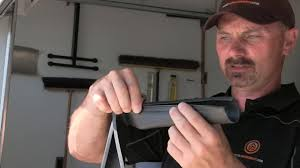
The bottom rubber seal—also called a weather seal—wears out over time, but the good news is you can replace it yourself with basic tools and a little guidance.
Read too: Tc1 Tricode Garage Door Opener Remote W/ Clip Chamberlain: Complete Guide
What Is the Rubber Seal on a Garage Door?
Before replacing it, let’s understand what it does.
Purpose of the Bottom Rubber Seal
- Blocks water, dirt, and pests
- Improves insulation
- Helps maintain energy efficiency
- Seals uneven floors
Key Fact
Most seals are made from flexible materials like PVC or rubber, designed to compress when the door closes.
For more details about sealing materials, see:
https://en.wikipedia.org/wiki/Weatherstripping
How To Replace Rubber On Bottom Of Garage Door (Quick Overview)
Here’s the simplified version:
- Remove the old seal
- Clean the track
- Measure and cut new rubber
- Slide in or insert new seal
- Test and adjust
Now let’s break it down step by step.
What Tools Do You Need?
Preparation makes the job faster and easier.
Essential Tools
- New garage door bottom seal
- Measuring tape
- Utility knife
- Flathead screwdriver
- Pliers
- Mild soap and water
Optional Tools
- Silicone lubricant
- Drill (for some retainer types)
Step-by-Step: How To Replace Rubber On Bottom Of Garage Door
Follow these steps carefully for best results.
Step 1: Close the Garage Door Fully
- Ensure the door is in the down position
- Disconnect the opener for safety
Step 2: Remove the Old Rubber Seal
There are two common types of retainers:
A. Slide-In Track Seal
- Pull the seal from one end
- Use pliers if stuck
B. Nail-On Seal
- Remove screws or nails
- Pry gently using a screwdriver
Step 3: Clean the Retainer Track
- Remove dirt and debris
- Wash with soap and warm water (22–28°C / 72–82°F)
- Let it dry completely
Step 4: Measure and Cut the New Seal
- Measure the width of your garage door
- Cut the new seal slightly longer (+1 inch) for adjustment
Step 5: Install the New Rubber Seal
For Slide-In Type
- Fold the ends slightly
- Slide into track channels
- Pull through evenly
For Nail-On Type
- Align seal along bottom edge
- Secure with screws every 6–8 inches
Step 6: Test the Door
- Open and close the door
- Check for gaps or uneven sealing
- Trim excess rubber if needed
How Do You Know If Your Seal Needs Replacement?
Common Signs
- Cracks or brittleness
- Visible gaps under the door
- Water leaks during rain
- Increased dust or pests
Real-World Insight
Homeowners often replace seals every 2–5 years, depending on climate and usage.
Types of Garage Door Bottom Seals
Choosing the right seal is crucial.
Comparison Table
| Type | Best For | Pros | Cons |
|---|---|---|---|
| T-Style | Metal tracks | Easy install | Needs compatible track |
| Bulb Seal | Uneven floors | Better sealing | Slightly pricier |
| Beaded Seal | Specific brands | Secure fit | Limited compatibility |
| Nail-On | Wood doors | Universal | More labor |
Common Mistakes to Avoid
1. Buying the Wrong Seal Type
Always check compatibility with your track system.
2. Skipping Cleaning
Dirty tracks make installation difficult and reduce lifespan.
3. Cutting Too Short
Always leave extra length—you can trim later.
4. Ignoring Floor Condition
Uneven floors may require a thicker bulb seal.
Benefits of Replacing the Garage Door Bottom Rubber
Immediate Improvements
- Reduced energy bills
- Better temperature control
- Protection from pests and insects
- Cleaner garage environment
Advantages vs Disadvantages of DIY Replacement
Advantages
- Cost-effective ($10–$40 materials)
- Quick (30–60 minutes)
- Beginner-friendly
Disadvantages
- Requires proper measurement
- May need trial and error
- Not suitable for damaged doors
Maintenance Tips to Extend Seal Lifespan
Best Practices
- Clean seal every 2–3 months
- Avoid harsh chemicals
- Inspect for wear annually
- Lubricate track lightly
When Should You Call a Professional?
You may need expert help if:
- The retainer is damaged
- The door is misaligned
- You can’t remove the old seal
- There are structural issues
FAQ Section
Frequently Asked Questions About How To Replace Rubber On Bottom Of Garage Door
1. How long does it take to replace the rubber seal?
Typically 30–60 minutes, depending on the type of seal.
2. Can I replace the seal without removing the door?
Yes. Most replacements can be done with the door in place.
3. What size seal do I need?
Measure your door width and check the track type before buying.
4. Why is my new seal not sealing properly?
Possible causes include uneven floors, incorrect size, or improper installation.
5. How often should I replace the bottom seal?
Every 2–5 years, depending on wear and environmental conditions.
6. Is it expensive to replace?
No. Most DIY replacements cost under $40.
Conclusion
Learning How To Replace Rubber On Bottom Of Garage Door is a simple yet powerful way to protect your garage from water, pests, and energy loss. With the right tools and steps, you can complete this DIY project in under an hour.
By maintaining your garage door seal, you’ll improve comfort, save money, and extend the life of your garage system.
If you found this guide helpful, share it on social media so others can easily fix their garage door seals too!
Leave a Reply