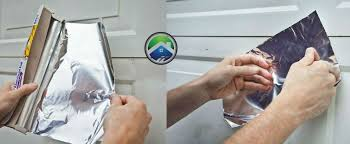
Aluminum garage doors are popular for their lightweight and modern look, but they can dent easily — from hail, tools, kids’ toys, or cars accidentally bumping into them. If you’re wondering How To Pop Dents Out Of Aluminum Garage Door without costly professional repair, this guide is here to help. You’ll find simple, effective methods that save time and money while restoring your door’s appearance.
Why Aluminum Garage Doors Dent Easily (And Why Removing Dents Matters)
Aluminum is prized for being light and rust‑resistant, which helps garage door springs and openers work more smoothly. Yet that same lightweight design makes aluminum more prone to dents than steel.
According to home improvement studies, nearly 40% of aluminum door owners report dent damage within the first five years — especially in areas with storms or tight driveways.
Leaving dents unrepaired doesn’t just affect looks:
- Can trap moisture leading to corrosion over time
- May weaken panels near seams
- Reduces curb appeal and resale value
Read too: Tc1 Tricode Garage Door Opener Remote W/ Clip Chamberlain: Complete Guide
That’s why learning how to fix small dents yourself can be so valuable.
How Aluminum Garage Doors Are Constructed
Aluminum doors are usually made of aluminum skins bonded to an inner core (foam or reinforced backing). This design makes them light but also more flexible — which affects dent repair.
For general background on how garage doors work, you can refer to this authoritative source: https://en.wikipedia.org/wiki/Garage_door
Understanding the structure helps explain why certain dent‑removal methods work better than others.
What Causes Dents in Aluminum Garage Doors?
Here are the most common causes:
- Hail or heavy weather
- Car bumping into the door
- Sports balls (baseball, basketball)
- Tools or ladders falling against the panel
- Pressure from lawn equipment
Each cause can create dents of different shapes and depths, which influences the best removal method.
Is It Safe To Pop Dents Out Yourself?
Yes — as long as you follow safety precautions. Aluminum garage doors have springs and moving parts; make sure to:
✔ Keep the door in the down/closed position
✔ Disconnect the opener (unplug or switch off)
✔ Wear safety glasses and gloves
✔ Work in dry, stable conditions
If your dents are near hinges, tracks, or structural edges, consider calling a pro — DIY may not be safe.
What You’ll Need (Tools & Materials)
Depending on the method you choose, gather:
- Hair dryer or heat gun
- Compressed air can (inverted spray)
- Rubber mallet and soft block
- Wooden dowel or plastic trim tool
- Boiling water (for large dents)
- Clean cloth
- Masking tape (optional)
- Dent puller kit (optional for larger dents)
Having the right tools increases your chances of success without damaging paint.
Method 1 — Heat & Cold (Great for Shallow Dents)
This popular method uses heat to expand aluminum followed by rapid cooling to contract it.
Step‑by‑Step:
- Clean the dent with a cloth and mild soap.
- Warm the area with a hair dryer or heat gun for about 1–2 minutes at medium heat
(keep 6–12 inches away to avoid paint damage). - Immediately spray with compressed air upside down — this creates a sudden cold.
- As the metal rapidly contracts, the dent often pops outward.
Why it works: Aluminum expands when heated and contracts quickly when chilled. The sudden contraction can force the dent outward.
Best for: Small, shallow dents.
Pro tip: If you don’t have compressed air, wrap ice in a cloth and press to cool quickly.
Method 2 — Boiling Water (Gentle & Chemical‑Free)
This works especially well near seals or foam‑insulated doors.
Step‑by‑Step:
- Heat a kettle of water to a boil.
- Pour boiling water directly over the dent.
- Push the dent from the inside using a plastic trim tool or wooden dowel.
- Pour cold water over the area to set it.
Important: Use gloves to avoid burns, and work carefully with boiling water.
Best for: Larger shallow dents where you can access the back side.
Method 3 — Rubber Mallet & Block (Controlled Impact)
This method gently knocks the dent out from the inside — ideal for slightly deeper dents.
Step‑by‑Step:
- Open the garage door to the second panel height (so you can access behind the dent).
- Place a soft wood block over the dent inside the panel.
- Tap gently with a rubber mallet — start softly and increase only if needed.
- Test the result and repeat in small increments.
Why this matters: Using a block prevents concentrated hammer force that can stretch or crease aluminum.
Best for: Moderate dents you can reach from inside the panel.
Method 4 — Dent Puller (For Larger Push‑Out Dents)
Dent puller kits (suction or glue tabs) can handle bigger dents without heat.
Step‑by‑Step:
- Clean the panel area thoroughly.
- Attach the suction dent puller or glue tab directly to the dent.
- Pull gently until the metal starts to move outward.
- Repeat if necessary.
Tip: Work slowly. Too much force risks warping the frame or panel.
Comparison: DIY Methods for Aluminum Garage Door Dents
| Method | Best For | Ease | Risk to Paint |
|---|---|---|---|
| Heat & Cold | Small shallow dents | Easy | Low |
| Boiling Water | Medium shallow dents | Moderate | Low |
| Rubber Mallet | Moderate deeper dents | Moderate | Medium |
| Dent Puller Kit | Large dents | Advanced | Medium |
When to Call a Professional
DIY works well for small dents, but contact a pro if:
- The dent is deep or sharp
- Paint is cracked or peeling
- Damage is near hinges, locks, or tracks
- The door panel is buckled or twisted
Professionals can use specialized tools like frame‑supported dollies and paintless dent repair (PDR) techniques that minimize repainting and preserve value.
Frequently Asked Questions (FAQ)
1. Can I remove dents without tools?
Yes — shallow dents can sometimes be fixed using heat & cold (hair dryer + ice). But tools like a rubber mallet or dent puller improve results.
2. Will these methods damage the paint?
Following the steps carefully — keeping heat at a safe distance and using soft tools — greatly reduces paint risk. Avoid metal screwdrivers or excessive force.
3. Can I fix dents near the edge of the door?
Edge dents are trickier and may affect the panel’s sealing. If near hinges or weatherstrips, professional handling is recommended.
4. How long does DIY dent removal take?
Most dents can be popped out in 10–30 minutes, depending on size and accessibility.
5. Do aluminum dents affect garage door function?
Yes — large dents can rub against tracks or interfere with seals, causing noise or mechanical issues.
6. Can I redo dents multiple times?
Be cautious. Repeated manipulation can weaken aluminum or stress paint — especially if tools scrape the surface. Work gently and know when to stop.
Tips to Prevent Aluminum Door Dents
- Install rubber bumpers in your driveway
- Keep sports away from garage vicinity
- Add protective guards inside garage near tools
- Park with more clearance if space is tight
Small precautions reduce repair needs later.
Conclusion
Learning How To Pop Dents Out Of Aluminum Garage Door empowers you to handle common dents safely and cost‑effectively. With heat/cold techniques, gentle tapping, and dent puller options, you can restore appearance without expensive repairs.
✨ DIY Benefits:
✔ Saves money
✔ Quick turnaround
✔ Great for shallow dents
📌 Pro tip: If the dent is deep, near structural elements, or if paint is compromised, don’t hesitate to call a professional.
📣 If you found this guide helpful, share it with neighbors or on social media — someone else may need these dent‑fixing tips too!
Leave a Reply