A broken garage door spring can disrupt your daily routine, prevent access to your garage, and even pose a serious safety risk. Whether it happens unexpectedly or after years of wear, knowing how to open a garage door when the spring breaks is crucial for protecting yourself, your property, and your vehicle.
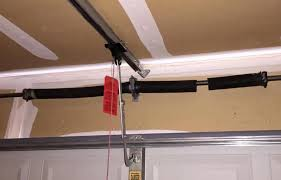
In this guide, we will explore step-by-step emergency procedures, safety measures, maintenance tips, and expert advice so you can handle broken garage springs confidently.
Read too: Tc1 Tricode Garage Door Opener Remote W/ Clip Chamberlain: Complete Guide
Why Garage Door Springs Break
Garage door springs are under constant tension. Over time, this stress can lead to failure. Common causes include:
- Metal fatigue: Springs stretch and compress thousands of times. Eventually, metal weakens.
- Corrosion or rust: Moisture accelerates wear, especially for doors in humid climates.
- Temperature extremes: Freezing winters or scorching summers can make springs brittle.
- Improper maintenance: Lack of lubrication increases friction and wear.
- High-frequency use: Doors opened multiple times daily wear out springs faster.
According to garage door experts, torsion springs typically last 10,000–20,000 cycles, but heavy use or poor maintenance can reduce this to a few years.
Types of Garage Door Springs
Understanding spring types helps identify risks and emergency handling:
- Torsion Springs
- Mounted above the door.
- Provide balanced lifting force.
- Store high torque energy—extremely dangerous if broken.
- Extension Springs
- Located on the sides of the door.
- Stretch to lift the door.
- Easier to replace but still hazardous if snapped.
Visualizing your spring type helps in applying the correct emergency handling method.
Safety Precautions
Handling a broken garage spring is risky. Follow these safety rules:
- Never use the automatic opener. It may apply force unpredictably.
- Clear the area. Keep children, pets, and bystanders away.
- Wear protective gear. Heavy-duty gloves, safety glasses, and closed-toe shoes are essential.
- Avoid DIY replacement. Springs store enormous energy and can cause severe injury or death.
Tip: Always have an emergency number for professional garage door technicians on hand.
Step-By-Step Guide to Open the Door
1. Disconnect the Opener
- Unplug the garage door opener or disengage the trolley using the red release cord.
- Ensure the opener cannot accidentally activate while you handle the door.
2. Secure the Door Temporarily
- Use C-clamps or vice grips on the tracks below the rollers.
- This prevents the door from falling suddenly while you handle it manually.
3. Manual Lifting
- Lift slowly from the bottom.
- If the door is sectional, lift one panel at a time.
- Stop immediately if it feels too heavy; forcing it may bend the track or damage panels.
4. Temporary Support
- Place wooden blocks or cinder blocks under the door.
- Keep the door fully supported if you need to access the garage or move vehicles.
5. Contact a Professional
- Never attempt to repair or replace springs yourself unless certified.
- A professional can replace torsion or extension springs safely and calibrate the door.
Emergency Situations
Sometimes you may need urgent access:
- Power Outage
- Disconnect the opener and use manual lifting.
- Ensure the door is supported by blocks to avoid collapse.
- Vehicle Trapped Inside
- Lift manually in small increments with help.
- Avoid full weight on one person.
- Partial Breakage
- A partially broken spring can snap suddenly.
- Treat it as fully broken and use the steps above.
Experts advise against using ropes or hooks to lift the door manually, as they do not control the door’s weight safely.
Preventive Maintenance
Preventing spring failure is always better than emergency handling:
- Lubricate springs every 3–4 months with silicone or lithium-based lubricants.
- Inspect for rust or cracks regularly.
- Balance the door annually to reduce stress on springs.
- Replace springs proactively after 10–12 years, even if intact.
- Avoid DIY tension adjustments—torsion springs are highly sensitive.
According to the International Door Association, regular maintenance reduces spring breakage by up to 70%.
Costs and Professional Considerations
Professional replacement of springs includes:
| Service Type | Estimated Cost (USD) | Notes |
|---|---|---|
| Torsion Spring Replacement | $150–$250 | Includes labor and calibration |
| Extension Spring Replacement | $100–$200 | Slightly easier and quicker |
| Full Spring Set Replacement | $200–$350 | Recommended for high-use doors |
- Labor varies by region and door size.
- Emergency services often charge extra for same-day repairs.
Signs Your Spring Might Fail
Recognizing warning signs can prevent sudden breakage:
- Gap in the spring coil or visible cracks.
- Unusual noises like snapping, creaking, or grinding.
- Door imbalance—one side rises higher than the other.
- Sluggish door movement or jerky operation.
Acting early saves money, time, and reduces risk of injury.
Tools and Equipment You Might Need
For temporary handling:
- Vice grips / C-clamps
- Wooden or cinder blocks
- Heavy-duty gloves
- Safety goggles
- Flashlight (for visibility in dark garages)
Do not improvise with ropes or makeshift tools—they can fail under high weight.
Common Mistakes to Avoid
- Using the opener on a broken spring.
- Lifting alone—always have help.
- Ignoring minor wear signs.
- Attempting DIY spring replacement without proper training.
- Leaving the door partially open without support.
Mistakes can lead to serious injury, property damage, or vehicle damage.
FAQ Section
Q1: Can I open a garage door with a broken spring manually?
A1: Yes, but only slowly and with proper safety measures. Support the door with blocks or vice grips.
Q2: Why do garage springs break suddenly?
A2: Springs endure high tension and metal fatigue. Corrosion, extreme temperatures, and lack of maintenance can cause sudden failure.
Q3: Can I replace the spring myself?
A3: No. Torsion and extension springs are highly dangerous. Always hire a certified technician.
Q4: How much does professional replacement cost?
A4: Torsion springs: $150–$250; extension springs: $100–$200. Emergency service may cost more.
Q5: How long do garage springs last?
A5: Typically 10,000–20,000 cycles (7–12 years). Maintenance can extend life.
Q6: Are torsion springs safer than extension springs?
A6: Torsion springs are more durable and balanced, but both require professional handling when broken.
Q7: What should I do if the door is stuck halfway?
A7: Disconnect the opener, secure the door, and attempt slow manual lifting. Avoid forcing it.
Q8: How can I prevent spring failure?
A8: Lubricate regularly, inspect for wear, balance the door, and replace springs proactively.
Conclusion
A broken garage spring is a common yet dangerous issue. Knowing how to open a garage door when the spring breaks ensures you can access your garage safely and prevent further damage. While temporary support and manual lifting help in emergencies, professional spring replacement is the safest long-term solution.
Preventive maintenance, timely inspection, and hiring trained technicians reduce the risk of accidents and costly repairs. Share this guide with friends or family to keep everyone safe and prepared for spring failures.
Remember: Garage springs store high tension energy—safety comes first.
Leave a Reply