Getting locked out of your garage can be stressful, especially if your garage door opener fails or there’s a power outage. Many homeowners wonder, “how to open a garage door manually from the outside?” Knowing the correct procedures ensures you can access your home safely without damaging your door or compromising security.
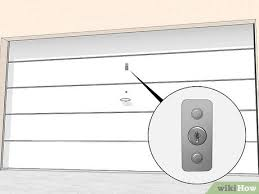
In this guide, we’ll explore proven step-by-step methods, safety precautions, and expert tips for opening your garage door manually from outside in emergencies.
Understanding Your Garage Door System
Before attempting a manual override, it’s important to understand the type of garage door and opener you have.
Read too: How Do You Change Code On Garage Door Keypad Fast?
Types of Garage Doors
| Type | Manual Override Availability | Notes |
|---|---|---|
| Sectional Door | Yes | Most common; uses trolley and emergency release cord. |
| Roll-Up Door | Yes | May have a lockable handle on the exterior. |
| Tilt-Up Door | Limited | Often requires professional tools to unlock from outside. |
Common Garage Door Openers
- Chain-Drive Opener: Uses metal chain; includes emergency release.
- Belt-Drive Opener: Quieter, uses belt; equipped with emergency release.
- Screw-Drive Opener: Motor drives the trolley along a screw; has a release cord.
Tip: Always identify your opener type and the emergency release system before attempting manual access.
Step-by-Step: How To Open A Garage Door Manually From The Outside
Follow these steps carefully:
Step 1: Locate the Emergency Release
Most garage doors have an emergency release cord inside the garage. If your door is locked, look for a lockable manual release system on the outside.
- Sectional doors: Use a rope or cord attached to the trolley mechanism.
- Roll-up doors: May have an external key lock.
- Tilt-up doors: Often require removing panels or accessing hinges.
Step 2: Disengage the Opener
- Pull the release cord straight down to disconnect the trolley from the opener.
- For external key releases, insert your key and turn it to unlock the door.
Safety tip: Never force the trolley; pulling too hard may damage the mechanism.
Step 3: Lift the Door Manually
- Stand in front of the door, using gloves to protect your hands.
- Lift the door slowly and evenly, ensuring tracks are clear.
- Use a friend for extra support if the door is heavy.
Expert insight: According to the International Door Association, manually lifting a sectional door should require minimal effort once the opener is disengaged.
Step 4: Secure the Door
Once open, secure the door using a C-clamp on the track or a locking bar to prevent accidental closure.
Step 5: Restore Automatic Function
- Reconnect the trolley to the opener.
- Test the door using the remote and wall button.
- If the emergency release is used frequently, consider maintenance or replacing the opener.
Tools and Equipment You Might Need
- Gloves for hand protection
- Ladder (if the release cord is high)
- Flashlight for visibility
- C-clamp or locking bar to secure the door
Tips for Safe Manual Operation
- Avoid sudden movements: Garage doors are heavy; abrupt lifting can cause injury.
- Check the springs: Do not attempt to lift if springs are broken; call a professional.
- Regular maintenance: Lubricate rollers and check tracks to prevent future lockouts.
- Keep an emergency key: External key overrides can save time during power outages.
External Key Release vs Emergency Release Cord
| Feature | External Key Release | Emergency Release Cord |
|---|---|---|
| Location | Outside garage | Inside garage |
| Access | Requires key | Pull cord to disengage |
| Use Case | Power outage / lockout | Opener failure / manual lift |
| Safety | High | Medium – avoid misuse |
Common Mistakes to Avoid
- Forcing the door: Can damage tracks, springs, or panels.
- Ignoring broken springs: Lifting with broken springs is extremely dangerous.
- Skipping lubrication: Leads to harder manual lifting and faster wear.
- Not securing the door: Risk of accidental closure can cause injury.
Emergency Scenarios and Solutions
Scenario 1: Power Outage
- Use the emergency release cord to lift the door manually.
- Secure the door to prevent accidental slamming.
Scenario 2: Broken Opener
- Disconnect trolley using the release cord.
- Lift manually and inspect the opener for issues before restoring automatic function.
Scenario 3: Locked Out Without Remote
- Check if your door has an external key lock.
- If not, use professional tools or call a certified garage door technician.
Preventive Measures
- Install a backup battery: Many modern openers have battery backup systems for emergencies.
- Regularly inspect springs and cables: Replace worn parts proactively.
- Keep an external key: Avoid emergency situations.
- Educate household members: Ensure everyone knows the manual override procedure.
FAQ Section
Q1: Can all garage doors be opened manually from the outside?
A1: Most sectional and roll-up doors have manual override options. Tilt-up doors may require professional tools.
Q2: Is it safe to lift the door manually?
A2: Yes, if springs are intact and the trolley is disengaged. Always lift slowly and use protective gloves.
Q3: What if the garage door spring is broken?
A3: Do not attempt manual lifting; contact a licensed professional immediately to avoid injury.
Q4: How can I prevent being locked out in the future?
A4: Keep a key for external release, maintain the opener, and consider a battery backup.
Q5: Can I replace the emergency release cord myself?
A5: Yes, cords are inexpensive and DIY-friendly. Ensure it’s securely attached to the trolley.
Q6: Are external key releases secure?
A6: Yes, modern key overrides are designed to prevent unauthorized access while allowing emergency manual operation.
Conclusion
Knowing how to open a garage door manually from the outside is a valuable skill in emergencies. Whether facing power outages, opener failure, or being locked out, following these steps ensures safe, damage-free access.
Regular maintenance, proper tools, and understanding your door system can prevent future lockouts and keep your garage secure. Share this guide with friends or family—they’ll appreciate having safe, practical solutions in case of emergencies.
Leave a Reply