If you’ve ever faced a garage door that won’t open, you know how frustrating it can be. Learning how to lift a garage door with a broken spring is crucial for both convenience and safety. Broken springs are one of the most common garage door issues and can make lifting the door extremely difficult or even dangerous.
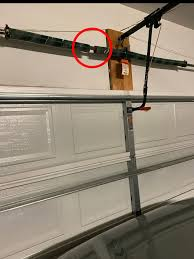
Whether it’s a temporary fix or a way to access your garage safely until a professional arrives, understanding the right methods to lift your garage door ensures you avoid injuries or further damage.
Read too: Tc1 Tricode Garage Door Opener Remote W/ Clip Chamberlain: Complete Guide
Understanding Garage Door Springs
Garage doors rely on two main types of springs: torsion springs and extension springs.
- Torsion Springs: Mounted above the door, they twist to counterbalance the door’s weight.
- Extension Springs: Located on each side, these stretch to lift the door.
When a spring breaks, the door’s weight is no longer counterbalanced, making it extremely heavy. For reference, a standard 16×7 garage door can weigh 150–200 pounds, while a two-car garage door can exceed 300 pounds. Handling this without the correct technique can cause serious injury.
According to garage door safety experts, nearly 70% of accidents occur when people attempt to lift a door with a broken spring without proper precautions.
Safety First: Precautions Before Lifting
Before attempting to lift a garage door with a broken spring, keep these safety measures in mind:
- Never use your bare hands to lift a heavy door. The door can suddenly drop.
- Disconnect the opener: Unplug automatic openers to prevent accidental activation.
- Wear protective gloves and eyewear: Springs can snap or produce flying debris.
- Use locking pliers or clamps: Prevent the door from sliding once lifted partially.
- Have a helper: One person to guide, another to support.
Safety should always be your priority. A broken spring can release stored energy that can be life-threatening if mishandled.
Step-by-Step Guide: Lifting a Garage Door With a Broken Spring
Here’s a practical method to lift your garage door safely until a replacement spring is installed:
Step 1: Secure the Door in Place
- Use C-clamps or locking pliers on the tracks just below the bottom rollers to prevent movement.
- Ensure both sides are secured to avoid the door slipping sideways.
Step 2: Disconnect the Garage Door Opener
- Pull the emergency release cord to disengage the opener.
- Verify the door moves freely manually without the opener’s assistance.
Step 3: Lift the Door Gradually
- Stand with feet shoulder-width apart.
- Lift the door slowly, keeping your back straight.
- Use your knees and arms for controlled motion.
For heavier doors, consider using a come-along tool or ratchet strap system to assist.
Step 4: Stabilize Once Open
- Insert wooden blocks or door stops under the door to hold it in place.
- Avoid leaving it propped with random objects; always use secure supports.
Step 5: Temporary Repairs
- If the spring is broken but the door must remain operational, you can replace one spring at a time with a professional or use a spring assist cable for temporary balance.
Using Tools to Assist Lifting
For larger or heavier garage doors, manual lifting might be unsafe. Tools that help include:
| Tool | Purpose |
|---|---|
| Come-along or winch | Reduce manual effort, control lift |
| Ratchet straps | Gradual and safe lifting |
| Locking pliers / C-clamps | Stabilize door temporarily |
| Portable jack / lifting frame | For commercial or heavy doors |
These tools minimize the risk of back injuries and accidental drops. Always follow the manufacturer’s safety instructions.
When to Call a Professional
Even with tools and precautions, certain situations demand professional assistance:
- Multiple broken springs – balancing the door alone is too risky.
- Heavier doors – two-car doors or reinforced doors may exceed 300 lbs.
- Torsion spring replacement – specialized knowledge is required.
- Damaged tracks or rollers – lifting alone won’t solve alignment issues.
Professionals are trained to handle tensioned springs safely. According to Home Safety Experts, DIY spring replacement accounts for over 50% of garage door injuries annually.
Preventing Future Breaks
After lifting and repairing your door, consider these tips to prevent future spring failures:
- Regular Maintenance: Lubricate moving parts every 6 months.
- Balance Check: Ensure torsion or extension springs counterbalance the door properly.
- Avoid Manual Force: Don’t slam doors or pull open forcefully.
- Use High-Quality Springs: Premium springs last longer and reduce stress on your opener.
FAQ Section
Q1: Can I lift a garage door with a broken spring alone?
A1: Only if it’s very small/lightweight, but for standard or two-car doors, a helper or tools are strongly recommended.
Q2: Is it safe to use the garage door opener with a broken spring?
A2: No. The opener can burn out or fail because the door’s weight is unsupported. Always disconnect it first.
Q3: How long can I leave a garage door propped with a temporary support?
A3: Only as a short-term solution. Replace the spring as soon as possible to avoid accidents.
Q4: What is the cost of replacing a garage door spring?
A4: On average, a single torsion spring replacement ranges from $100–$200, while extension springs may cost $50–$150 plus labor.
Q5: Can I prevent springs from breaking in winter?
A5: Lubrication and temperature control help; avoid slamming the door or leaving it partially open during extreme cold.
Q6: Are torsion springs more dangerous than extension springs?
A6: Yes, because torsion springs are under higher tension and can release lethal energy if mishandled.
Conclusion
Knowing how to lift a garage door with a broken spring is essential for safety, convenience, and access.
- Follow step-by-step precautions to avoid injuries.
- Use tools and proper supports for heavy doors.
- Call a professional for replacements or complex doors.
By understanding the mechanics, safety risks, and proper techniques, homeowners can handle temporary access safely until repairs are completed.
Share this guide with friends or neighbors to help them safely manage garage door issues and avoid common DIY mistakes.
Leave a Reply