Dealing with a broken or worn-out garage door spring can be stressful and dangerous. Knowing how to install extension springs on a garage door is essential for safety and smooth operation. This guide will walk you through the process step by step, ensuring you can restore your garage door’s balance confidently and securely.
What Are Extension Springs And Why They Matter
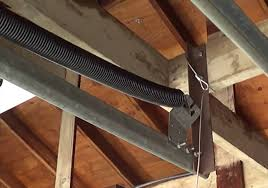
Extension springs are long, coiled springs mounted on either side of a garage door, designed to counterbalance the door’s weight as it opens and closes.
Key Benefits:
- Provide smooth door movement
- Reduce strain on garage door opener
- Extend the lifespan of your door mechanism
Read too: How Do You Change Code On Garage Door Keypad Fast?
According to a Wikipedia article on garage doors, properly installed springs are critical for safety and door functionality, as they bear most of the door’s weight.
Tools and Materials You’ll Need
Before you start, gather the following tools for a safe and efficient installation:
- Safety glasses and gloves
- Ladder (stable and tall enough for your garage door height)
- Winding bars or rod (for tensioning)
- Wrenches and sockets (typically 7/16″ and 1/2″)
- Pliers
- Replacement extension springs (matched to your door weight and height)
- Safety cables (to prevent accidents in case of spring failure)
Safety Tip: Never attempt spring installation without safety glasses. Springs store high tension and can cause serious injury.
Step-by-Step Guide: How To Install Extension Springs On A Garage Door
Step 1: Prepare the Garage Door
- Disconnect the garage door opener to prevent accidental movement.
- Close the door completely. This reduces spring tension and makes installation safer.
Step 2: Remove Old Springs
- Carefully unhook the old springs from the track bracket and extension pulley.
- Slowly release the tension using a winding bar if necessary. Never rely on hands alone.
- Inspect cables and pulleys; replace any worn components.
Step 3: Install Safety Cables
- Thread a safety cable through each new spring before installation.
- Secure the cable to the track bracket at both ends.
- Safety cables prevent the spring from flying out if it breaks.
Step 4: Mount New Springs
- Hook the stationary end of the spring to the track bracket near the top of the garage door.
- Attach the opposite end to the pulley or roller bracket.
- Make sure springs are evenly aligned on both sides of the door.
Step 5: Adjust Spring Tension
- Use a winding bar to apply the correct tension to the springs.
- Typically, the door should balance at mid-height. If it moves too easily or resists, adjust tension accordingly.
- Tighten all fasteners and check alignment.
Step 6: Test the Door
- Reconnect the garage door opener.
- Manually lift and lower the door to check balance and smooth operation.
- Ensure both springs pull evenly and the door stays in place when paused mid-way.
Pro Tip: For most residential doors, the spring should support about half the door’s weight when properly tensioned.
Common Issues And Troubleshooting
| Problem | Cause | Solution |
|---|---|---|
| Door hard to lift | Springs under-tensioned | Increase tension slightly |
| Door rises too quickly | Springs over-tensioned | Reduce tension carefully |
| Uneven movement | One spring stronger than the other | Adjust both springs to match |
| Noise during operation | Pulley or roller misalignment | Lubricate and align components |
Extension Springs vs. Torsion Springs: What’s Best?
| Feature | Extension Springs | Torsion Springs |
|---|---|---|
| Mounting | Sides of door | Above door |
| Safety | Require safety cables | Built-in tension, safer if broken |
| Maintenance | Easy to replace | Slightly more complex |
| Cost | Lower | Higher upfront cost |
| DIY-friendly | Moderate | Requires specialized tools |
Understanding the differences helps homeowners choose the right spring type for their garage door system.
FAQ Section
Q1: Can I install extension springs myself?
A: Yes, with proper safety precautions and tools, DIY installation is possible. Always wear gloves, safety glasses, and follow tensioning guidelines carefully.
Q2: How often should garage door springs be replaced?
A: Most extension springs last 7–10 years or 10,000 cycles. Signs of wear include gaps in coils, rust, or difficulty lifting the door.
Q3: Are safety cables necessary?
A: Absolutely. Safety cables prevent serious injury if a spring breaks under tension. They are mandatory for all extension spring setups.
Q4: How do I know the correct spring size?
A: Measure your door’s weight and height, then match the spring specifications. Using the wrong size can cause damage or unsafe operation.
Q5: Can one spring fail while the other works?
A: Yes. Springs on each side operate independently. Always replace both springs to maintain balance and prevent uneven wear.
Conclusion
Learning how to install extension springs on a garage door empowers you to maintain your garage safely and efficiently. Proper installation ensures smooth operation, extends door life, and protects against accidents.
If you found this guide helpful, share it on social media to help friends and neighbors maintain their garage doors safely!
Leave a Reply