If you’re feeling cold air, spotting water leaks, or noticing pests sneaking into your garage, you’re not alone. Many homeowners search for How To Get A Better Seal On Garage Door to fix these frustrating issues.
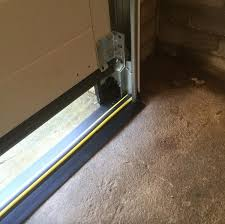
The good news? Improving your garage door seal is easier than you think—and in most cases, you can do it yourself in just a few hours.
Read too: Tc1 Tricode Garage Door Opener Remote W/ Clip Chamberlain: Complete Guide
Why Is A Proper Garage Door Seal Important?
A well-sealed garage door does more than just block outside air.
Key Benefits:
- Energy efficiency: Reduces heating and cooling loss
- Pest prevention: Keeps rodents and insects out
- Moisture control: Prevents mold and water damage
- Comfort: Stabilizes indoor temperature
According to energy efficiency studies, air leaks can account for up to 25–30% of energy loss in residential spaces.
👉 Learn more about garage door systems:
https://en.wikipedia.org/wiki/Garage_door
What Causes Poor Garage Door Sealing?
Understanding the cause helps you choose the right fix.
Common Reasons:
- Worn or cracked weather stripping
- Uneven garage floor
- Misaligned door tracks
- Old bottom seal (rubber gasket)
- Warped door panels
👉 Quick Tip: If you see daylight around the edges, your seal is compromised.
How To Get A Better Seal On Garage Door (Step-by-Step)
Follow this practical guide to improve your garage seal effectively.
Step 1: Inspect All Sides Of The Door
Check these areas carefully:
- Bottom edge
- Side edges
- Top panel
What to look for:
- Visible gaps (measure in inches)
- Brittle or broken rubber
- Light entering from outside
👉 Use a flashlight test at night for better visibility.
Step 2: Replace The Bottom Seal
Best for: Gaps at the bottom
Tools Needed:
- Measuring tape
- Flathead screwdriver
- New rubber seal (T-style or U-style)
Instructions:
- Measure door width (e.g., 16 ft)
- Remove the old seal by sliding it out
- Clean the track thoroughly
- Insert the new seal evenly
- Trim excess material
👉 Ideal thickness: 0.5–1 inch for proper compression.
Step 3: Install Or Replace Weather Stripping (Sides & Top)
Best for: Side and top gaps
Steps:
- Remove old weather stripping
- Cut new vinyl strips to fit door height (typically 7–8 ft)
- Position so it presses lightly against the closed door
- Nail or screw every 12–16 inches
👉 Pro Tip: Avoid overtightening—too much pressure can prevent smooth operation.
Step 4: Fix Uneven Garage Floor With Threshold Seal
Best for: Gaps caused by sloped or cracked floors
Instructions:
- Clean the floor surface
- Apply adhesive evenly
- Place threshold strip carefully
- Let cure for 24 hours
👉 Typical height: 0.5–1 inch
Step 5: Seal Small Cracks With Caulk Or Foam
Best for: Tiny gaps and air leaks
Materials:
- Silicone caulk
- Expanding foam
Application Tips:
- Apply at 22–28°C (72–82°F)
- Fill gradually (foam expands up to 2–3x)
- Smooth caulk with a damp finger
Step 6: Adjust Garage Door Alignment
Best for: Uneven sealing on one side
Signs:
- Door looks crooked
- One side has a larger gap
Basic Fix:
- Loosen track brackets slightly
- Adjust alignment using a level
- Tighten bolts securely
⚠️ Disconnect opener before adjusting for safety.
Best Seal Types Compared
| Seal Type | Best Use | Durability | Cost |
|---|---|---|---|
| Rubber Bottom Seal | Floor gaps | High | $20–$80 |
| Vinyl Weather Stripping | Side/top gaps | Medium | $20–$100 |
| Threshold Seal | Uneven floors | High | $50–$200 |
| Foam Sealant | Small cracks | Low–Medium | $10–$50 |
Pros vs Cons of Improving Garage Door Seal
✅ Advantages:
- Lower energy bills
- Better indoor comfort
- Keeps pests out
- Extends door lifespan
❌ Disadvantages:
- Requires periodic replacement
- Improper installation can reduce effectiveness
- Some fixes are temporary
Real-Life Example: Before vs After Sealing
Case Study:
A homeowner in a cold U.S. climate reported a 15% reduction in heating costs after replacing worn weather stripping and installing a threshold seal.
👉 Key takeaway: Small upgrades can lead to noticeable savings.
When Should You Replace Instead Of Repair?
Sometimes sealing alone isn’t enough.
Replace components if:
- Rubber seals are cracked or brittle
- Door panels are warped
- Gaps exceed 2 inches
- Door doesn’t close evenly
Maintenance Tips For Long-Term Sealing
Keep your garage properly sealed year-round.
Routine Checklist:
- Inspect seals every 6 months
- Clean debris from tracks
- Lubricate moving parts
- Replace seals every 2–3 years
- Check alignment annually
FAQ: How To Get A Better Seal On Garage Door
1. What is the best way to seal a garage door?
The most effective method combines bottom seal replacement, weather stripping, and threshold installation.
2. How much does it cost to improve a garage door seal?
DIY costs range from $20 to $200, depending on materials used.
3. Can I seal my garage door myself?
Yes, most sealing improvements are beginner-friendly and require basic tools.
4. Why is my garage still drafty after sealing?
Possible reasons include:
- Misaligned door
- Hidden gaps
- Worn insulation
5. How long do garage door seals last?
Typically 2–5 years, depending on weather conditions and usage.
6. Do garage door seals help with noise reduction?
Yes, they reduce outside noise by minimizing air gaps.
Conclusion
Improving your garage door seal doesn’t require expensive tools or professional help in most cases. By following this guide on How To Get A Better Seal On Garage Door, you can eliminate drafts, reduce energy costs, and protect your garage from moisture and pests.
A well-sealed garage is not just about comfort—it’s about efficiency, durability, and long-term savings.
Leave a Reply