Replacing or installing garage door torsion springs can be intimidating, especially if you are unsure about the correct size. Knowing how to determine torsion spring size for garage door is crucial for safety, door performance, and longevity.
Incorrect sizing can lead to malfunction, increased wear, or even injury. This guide will walk you through the precise steps and calculations, providing tips for beginners and DIY enthusiasts.
Read too: How Do You Change Code On Garage Door Keypad Fast?
Understanding Garage Door Torsion Springs
Torsion springs are the primary mechanism that balances the weight of your garage door. They are installed horizontally above the door opening and use torque to lift and lower the door smoothly.
Key Features:
- Made of high-tensile steel wire.
- Rated by length, wire diameter, and inside diameter.
- Designed for a specific number of cycles (commonly 10,000–20,000).
Using the wrong torsion spring can stress the opener and hinges, causing malfunctions or early failure.
Step 1: Measure Your Garage Door
Before selecting a spring, gather these measurements:
- Door Width and Height:
- Standard doors are 8–10 feet wide, 7–8 feet high.
- Door Weight:
- Weigh the door with a bathroom scale or consult manufacturer specs.
- Spring Mounting Details:
- Identify if the door uses single or double torsion springs.
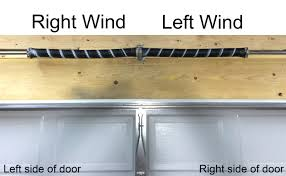
- Note the spring placement and whether they are right-hand or left-hand wound.
Accurate measurements ensure proper spring selection, preventing uneven door movement.
Step 2: Determine Spring Dimensions
Each torsion spring is defined by three main parameters:
- Wire Diameter (d): Thickness of the spring wire in inches.
- Inside Diameter (ID): Distance across the inside of the coil.
- Length (L): Total uncompressed length of the spring.
Tip: Take measurements using a caliper for precision.
Step 3: Calculate Spring Weight Load
The spring must balance the door weight for smooth operation. Use the following formula (simplified for DIY use):Spring Torque=Door Weight×Distance from Pivot (Radius)
- One spring often supports half the door weight.
- Ensure wire gauge and coil count match the required torque.
Case Study: A 7×16 foot sectional door weighing 150 lbs per leaf may need a 0.225-inch wire, 2-inch inside diameter, 30-inch length spring per side.
Step 4: Identify Wound Orientation
Torsion springs are either right-hand wound or left-hand wound:
- Right-hand wound: Installed on the left side when facing the garage.
- Left-hand wound: Installed on the right side.
Installing a spring with the wrong orientation can prevent the door from opening and risk injury. Always match door side and spring winding correctly.
Step 5: Check the Spring Cycle Rating
Spring longevity is measured in cycles:
- Standard springs: 10,000 cycles.
- High-cycle springs: 20,000–30,000 cycles.
For heavier or frequently used doors, a higher cycle spring is recommended.
Step 6: Purchase the Correct Spring
Once dimensions, weight load, and winding are determined:
- Buy springs from a reputable garage door supplier.
- Compare brand specifications to your measurements.
- Avoid generic or mismatched springs—they compromise safety and function.
Step 7: Safety Considerations
Garage door torsion springs store immense energy:
- Always wear safety glasses and gloves.
- Use winding bars specifically designed for torsion springs.
- Never attempt removal or installation without proper tools and knowledge.
Expert Tip: If unsure, hire a professional. Torsion spring accidents can be severe or fatal.
Step 8: Optional Tools for Accuracy
To simplify sizing, consider:
- Spring scale: Measures tension.
- Calipers: For wire diameter and inside diameter.
- Tape measure: For spring length.
- Garage door balance tester: Checks door weight distribution.
Step 9: Test the Door After Installation
- Slowly lift the door manually to check balance.
- Ensure it stays in mid-position without rising or falling.
- Test the automatic opener, if applicable, to ensure smooth operation.
Properly sized torsion springs reduce strain on the opener and improve door longevity.
Common Mistakes to Avoid
| Mistake | Risk | Solution |
|---|---|---|
| Using wrong wire diameter | Door moves too fast or slow | Measure with caliper and follow torque specs |
| Wrong length | Door fails to open fully | Measure uncompressed spring length accurately |
| Incorrect winding | Door jams or falls | Match right-hand/left-hand orientation |
| Ignoring door weight | Spring overloads | Weigh door or consult manufacturer |
FAQ Section
Q1: How do I determine torsion spring size for garage door?
A: Measure your door’s weight, width, and height, then select spring dimensions: wire diameter, inside diameter, and length. Factor in door balance and winding direction.
Q2: Can I install the wrong torsion spring?
A: No. Using the wrong size may damage the door, opener, or cause injury. Always double-check measurements or consult a professional.
Q3: How do I know if my spring is left-hand or right-hand wound?
A: Stand facing the door. The spring winding direction should match the side of installation: right-hand on the left, left-hand on the right.
Q4: How long do torsion springs last?
A: Typically 10,000 cycles for standard springs, but high-cycle springs can last up to 30,000 cycles. Frequent use may shorten lifespan.
Q5: Can I measure a spring without removing it?
A: You can measure wire diameter and inside diameter, but length often requires removal. Always use safety tools and procedures.
Q6: Where can I learn more about torsion springs?
A: For technical details, you can refer to Wikipedia on Garage Door Torsion Springs for additional insights.
Conclusion
Knowing how to determine torsion spring size for garage door ensures:
- Safe and reliable door operation.
- Longer spring and opener life.
- Smooth, balanced opening and closing.
By following this step-by-step guide, even beginners can accurately measure, select, and install torsion springs. Always prioritize safety, use proper tools, and consult a professional if unsure.
Share this guide with friends or family planning garage door maintenance to help them avoid costly mistakes and stay safe.
Leave a Reply