If your garage door is noisy, jerky, or stuck, worn-out rollers may be the culprit. Knowing how to change the rollers on a garage door can save you time and money, while improving the door’s performance. In this guide, we’ll walk you through the step-by-step process to replace your garage door rollers safely and efficiently.
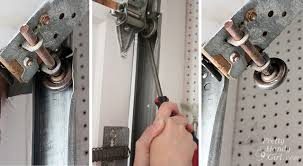
Replacing rollers improves safety, reduces noise, and prolongs the life of your garage door system.
Signs You Need to Replace Garage Door Rollers
- Noisy operation: Squeaking, grinding, or rattling sounds when opening or closing.
- Jerky movement: The door moves unevenly or gets stuck along the tracks.
- Visible damage: Cracks, flat spots, or worn bearings on the rollers.
- Loose or broken rollers: Rollers that wobble or detach easily.
According to garage door experts, replacing rollers every 10–15 years is recommended for smooth operation.
Tools You’ll Need
- Safety gloves and goggles
- Stepladder
- Socket wrench or adjustable wrench
- Screwdriver
- Pliers
- Replacement rollers (nylon or steel, based on your door type)
- Lubricant (silicone-based)
Read too: How Do You Change Code On Garage Door Keypad Fast?
Step-By-Step: How To Change The Rollers On A Garage Door
1. Ensure Safety First
- Disconnect the garage door opener from power to prevent accidental movement.
- Wear protective gloves and goggles to avoid injuries from sharp edges or springs.
2. Open the Garage Door Partially
- Lift the door manually until it is slightly above the rollers you need to replace.
- Use a clamp or locking pliers on the track to prevent the door from moving unexpectedly.
3. Remove the Old Rollers
- Use a socket wrench or screwdriver to remove the roller brackets or hinges if necessary.
- Slide the old rollers out carefully.
- Inspect the track for any debris or damage.
4. Choose the Right Replacement Rollers
- Nylon rollers: Quieter, require less maintenance, and last longer.
- Steel rollers: Durable but noisier.
- Match the diameter and length of the original rollers to ensure proper fit.
5. Install New Rollers
- Slide the new rollers into the brackets or hinges.
- Make sure the rollers are seated correctly in the tracks.
- Tighten all bolts and screws securely but avoid over-tightening, which can restrict movement.
6. Lubricate the Rollers
- Apply a silicone-based lubricant along the roller shaft and bearings.
- Avoid using grease, which attracts dirt and can cause buildup.
7. Test the Door
- Remove clamps or pliers.
- Manually move the door up and down to ensure smooth operation.
- Reconnect the garage door opener and test it using the remote or wall button.
Tips for Longevity
- Regular maintenance: Lubricate rollers every 6–12 months.
- Check alignment: Ensure tracks are straight and free of debris.
- Replace in sets: For best performance, replace all rollers at the same time.
- Avoid harsh cleaners: Mild soap and water are sufficient for cleaning tracks.
Expert Quote
“Replacing garage door rollers is one of the easiest DIY tasks that dramatically improves door performance. Using nylon rollers can cut noise by over 50%.” – Michael Grant, Certified Garage Door Technician
Common Mistakes to Avoid
- Ignoring safety precautions—springs can cause serious injuries.
- Over-tightening brackets or bolts, which can restrict movement.
- Using incompatible roller sizes.
- Skipping lubrication after installation.
FAQ: How To Change The Rollers On A Garage Door
1. Can I replace garage door rollers myself?
Yes, if you follow safety precautions. However, for doors with torsion springs, consider professional help.
2. How long does it take to change all rollers?
Typically 1–2 hours for a standard two-car garage door.
3. Should I replace all rollers at once?
Yes, replacing all rollers ensures smooth and balanced operation.
4. Are nylon rollers better than steel?
Nylon rollers are quieter and require less maintenance, while steel rollers are more durable but noisier.
5. How often should garage door rollers be replaced?
Every 10–15 years, or sooner if you notice wear, noise, or jerky movements.
6. Can I lubricate old rollers instead of replacing them?
Lubrication helps temporarily, but worn or damaged rollers should be replaced for long-term performance.
Conclusion
Learning how to change the rollers on a garage door ensures smoother, quieter, and safer operation. By following proper safety measures, choosing the right rollers, and performing regular maintenance, your garage door can last longer and operate efficiently.
👉 If this guide helped you, share it with friends and family to help them maintain their garage doors safely!
Leave a Reply