If your garage door refuses to close and keeps reversing, faulty sensors might be the culprit. Many homeowners search for how to bypass the sensors on a garage door when they need a quick fix. This guide will walk you through safe, temporary solutions while helping you understand the risks and proper long-term fixes.
What Do Garage Door Sensors Actually Do?
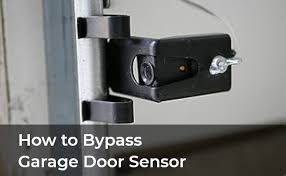
Garage door sensors are a critical safety feature designed to prevent accidents. They use an infrared beam to detect objects in the door’s path.
Read too: Tc1 Tricode Garage Door Opener Remote W/ Clip Chamberlain: Complete Guide
Key Functions:
- Prevent the door from closing on people or pets
- Stop damage to vehicles or stored items
- Comply with modern safety regulations
According to safety standards introduced after 1993, automatic garage doors must include functional sensors. You can learn more about the history and safety mechanisms of garage doors on Wikipedia:
https://en.wikipedia.org/wiki/Garage_door
Why Would You Need To Bypass Garage Door Sensors?
Before jumping into the “how,” it’s important to understand the “why.”
Common Reasons:
- Misaligned sensors causing false signals
- Dirty lenses blocking the infrared beam
- Damaged wiring or faulty units
- Emergency situations where the door must close
Important Note ⚠️
Bypassing sensors should only be a temporary solution. These components are essential for safety, and disabling them long-term can increase the risk of injury or property damage.
Is It Safe To Bypass Garage Door Sensors?
Pros vs Cons
| Advantages | Disadvantages |
|---|---|
| Quick temporary fix | Increased safety risk |
| Allows door operation during failure | May violate safety regulations |
| Helps diagnose issues | Not a permanent solution |
Expert Insight:
Home safety professionals emphasize that sensor bypassing should only be used during troubleshooting or emergencies—not as a permanent workaround.
How To Bypass The Sensors On A Garage Door (Step-by-Step)
Here are the most effective methods you can use. Follow each step carefully.
Method 1: Hold Down the Wall Button (Most Common)
This is the easiest and safest temporary workaround.
Steps:
- Locate the wall-mounted garage door control panel
- Press and hold the close button continuously
- Keep holding until the door fully closes
- Release only after the door reaches the ground
Why it works:
Most garage door systems override sensor signals when the button is held down.
Method 2: Align the Sensors Properly
Sometimes you don’t need to bypass—just fix alignment.
Steps:
- Locate sensors on both sides of the door (about 6 inches above ground)
- Check if indicator lights are blinking
- Adjust both sensors until lights become steady
- Tighten brackets to secure alignment
Tip:
Use a level tool to ensure perfect alignment.
Method 3: Clean the Sensor Lenses
Dust and debris can block the infrared beam.
Steps:
- Turn off power to the garage opener
- Use a soft microfiber cloth
- Gently wipe both sensor lenses
- Restore power and test the door
Pro Tip:
Avoid using harsh chemicals—plain dry cloth works best.
Method 4: Disconnect Sensor Wires (Advanced & Risky)
⚠️ Only attempt this if you understand basic wiring.
Steps:
- Turn off power completely
- Locate sensor wires connected to the opener unit
- Disconnect the wires carefully
- Insert a jumper wire (if system allows override)
- Restore power and test
Warning:
This method varies by brand and can damage your system if done incorrectly.
Method 5: Use Manual Mode
If all else fails, switch to manual operation.
Steps:
- Pull the emergency release cord (usually red)
- Lift or lower the door manually
- Ensure the door is balanced before releasing
Best for:
Power outages or complete system failures.
Signs Your Garage Door Sensors Are Failing
Recognizing early warning signs can save you time and money.
Watch for:
- Door starts closing then reverses
- Blinking sensor lights
- Door only closes when button is held
- No response from remote
Statistic:
Over 70% of garage door issues reported by homeowners involve sensor misalignment or obstruction.
Common Mistakes To Avoid
Even simple fixes can go wrong if you’re not careful.
Avoid These Errors:
- Ignoring safety risks
- Using permanent bypass solutions
- Cutting wires without knowledge
- Misaligning sensors further
When Should You Replace Instead of Bypass?
Bypassing is not always the answer.
Replace sensors if:
- They are physically damaged
- Lights don’t turn on at all
- Wiring is frayed or broken
- System is older than 10–15 years
Cost Insight:
Replacing sensors typically costs between $50–$150, making it a cost-effective long-term solution.
Maintenance Tips To Prevent Sensor Issues
Prevention is always better than repair.
Simple Maintenance Checklist:
- Clean sensors every 1–2 months
- Check alignment regularly
- Inspect wiring for wear
- Keep area free of debris
FAQ: How To Bypass The Sensors On A Garage Door
1. Can I permanently bypass garage door sensors?
No. It is strongly discouraged because sensors are required for safety compliance and accident prevention.
2. Why does my garage door only close when I hold the button?
This usually indicates a sensor issue—misalignment, dirt, or damage.
3. Is bypassing sensors illegal?
In some areas, disabling safety features may violate building or safety codes.
4. How long does it take to fix sensor issues?
Most fixes (cleaning or alignment) take less than 15 minutes.
5. Can I use my garage door without sensors?
Technically yes (manual mode), but it is unsafe and not recommended.
Conclusion
Learning how to bypass the sensors on a garage door can help you handle urgent situations quickly. However, this should always be a temporary fix, not a permanent solution. Proper maintenance, alignment, and timely replacement are key to keeping your garage door safe and functional.
If you found this guide helpful, consider sharing it on social media to help others solve the same problem quickly and safely 🚪
Leave a Reply