If your garage door feels too heavy, won’t stay open, or slams shut, the springs may be out of balance. Many homeowners search How To Adjust Torsion Springs On A Garage Door hoping for a quick fix—but this task requires caution. In this guide, you’ll learn how it works, when to do it, and how to stay safe.
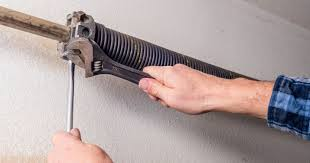
How To Adjust Torsion Springs On A Garage Door (Quick Answer)
Adjusting torsion springs involves increasing or decreasing tension using winding bars.
Read too: How Do You Change Code On Garage Door Keypad Fast?
Basic Steps:
- Disconnect the opener
- Secure the door
- Insert winding bars
- Adjust spring tension (¼ turns)
- Test door balance
⚠️ Warning: Torsion springs are under extreme tension—improper handling can cause serious injury.
What Are Torsion Springs and How Do They Work?
Torsion springs are mounted above your garage door and store mechanical energy.
Key Functions
- Counterbalance the door’s weight
- Allow smooth opening and closing
- Reduce strain on the opener
To understand the mechanics behind spring systems, you can explore this resource:
https://en.wikipedia.org/wiki/Spring_(device)
When Should You Adjust Torsion Springs?
Common Signs
- Door won’t stay halfway open
- Door closes too fast
- Door feels very heavy
- Uneven movement
👉 According to industry data, over 60% of garage door balance issues are related to spring tension.
Tools You’ll Need
Before starting, gather the right tools.
Essential Tools
- Winding bars (NOT screwdrivers)
- Adjustable wrench
- Safety gloves
- Safety glasses
- Ladder
Step-by-Step: How To Adjust Torsion Springs Safely
Step 1: Disconnect Power
- Unplug the garage door opener
- Pull the emergency release cord
Step 2: Secure the Door
- Close the door completely
- Clamp locking pliers on the track
Step 3: Locate the Torsion Spring
- Found above the garage door
- Identify winding cone and set screws
Step 4: Insert Winding Bars
- Insert bar fully into winding cone
- Hold firmly before loosening screws
Step 5: Adjust the Tension
To Increase Tension:
- Turn spring ¼ turn upward
To Decrease Tension:
- Turn spring ¼ turn downward
👉 Always adjust in ¼-turn increments.
Step 6: Tighten Set Screws
- Secure screws after each adjustment
- Ensure firm grip on shaft
Step 7: Test the Door
- Lift door manually halfway
- Door should stay in place
Step 8: Repeat if Necessary
- Adjust gradually
- Test after each change
⏱️ Total time: 30–60 minutes
Torsion Spring Adjustment Chart
Typical Turns Based on Door Height
| Door Height | Recommended Turns |
|---|---|
| 7 feet | 7.5 turns |
| 8 feet | 8.5 turns |
👉 These are general guidelines—always verify manufacturer specs.
Pros vs Cons of Adjusting Torsion Springs Yourself
Advantages
✔ Saves money
✔ Immediate fix
✔ Improves door performance
Disadvantages
✘ High injury risk
✘ Requires precision tools
✘ Easy to misadjust
Real-Life Example
A homeowner adjusted torsion springs:
- Problem: Door wouldn’t stay open
- Adjustment: +½ turn tension
- Result: Balanced door in 20 minutes
Common Mistakes to Avoid
- ❌ Using screwdrivers instead of winding bars
- ❌ Over-tightening springs
- ❌ Forgetting to secure the door
- ❌ Ignoring safety gear
How Much Does Professional Adjustment Cost?
Average Pricing
- Adjustment service: $75 – $150
- Full spring replacement: $150 – $350
👉 Hiring a professional reduces risk significantly.
Safety Tips You Should NEVER Ignore
Critical Safety Rules
- Always use proper winding bars
- Keep hands clear of cones
- Stand to the side (not in front)
- Never adjust broken springs
⚠️ If unsure, call a professional immediately.
Maintenance Tips to Prevent Future Issues
Keep Springs in Good Condition
- Lubricate every 3–6 months
- Check balance regularly
- Inspect for rust or wear
- Avoid excessive door usage
When NOT to Adjust Torsion Springs
Call a Professional If:
- Spring is broken
- Door is off-track
- You lack proper tools
- You feel unsure at any step
FAQ: How To Adjust Torsion Springs On A Garage Door
1. Is it safe to adjust torsion springs yourself?
It can be done, but it’s risky without proper tools and experience.
2. How many turns should I adjust?
Usually in ¼-turn increments, total turns depend on door height.
3. What happens if springs are too tight?
The door may open too fast or not close properly.
4. Can I use a screwdriver instead of winding bars?
No, this is extremely dangerous.
5. How long does adjustment take?
Typically 30–60 minutes.
6. Should both springs be adjusted equally?
Yes, to maintain balance and proper function.
Expert Insight
Professionals recommend:
“Small adjustments make a big difference—never rush spring tension changes.”
This ensures:
- Safe operation
- Balanced door movement
- Longer lifespan
Conclusion
Learning How To Adjust Torsion Springs On A Garage Door can save time and money—but safety must always come first. While the process is straightforward in theory, the risks involved make careful execution essential.
If done correctly, adjusting torsion springs restores balance, improves performance, and extends your garage door’s life. However, don’t hesitate to call a professional if the job feels beyond your comfort level.
If you found this guide helpful, share it on social media and help others fix their garage doors safely and effectively!
Leave a Reply