If your garage door feels jerky, closes too fast, or won’t stay open, learning How To Adjust The Tension On A Garage Door could be the solution. Many homeowners struggle with uneven movement or loud noises, and improper tension is often the culprit. This article explains what tension adjustment means, why it matters for safety and performance, and how to do it step‑by‑step with confidence.
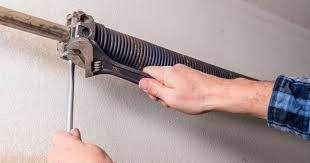
Why Garage Door Tension Matters
Garage doors operate through a system of springs — either torsion (above the door) or extension (along the tracks). These springs counterbalance the door’s weight. Without the right spring tension:
- The door may close too fast and be dangerous.
- It could fail to stay open.
- The opener may wear out prematurely.
Read too: Tc1 Tricode Garage Door Opener Remote W/ Clip Chamberlain: Complete Guide
In fact, improperly balanced doors increase wear on openers by up to 25%, according to maintenance studies.
For general background on garage door mechanisms, here’s an authoritative resource: https://en.wikipedia.org/wiki/Garage_door
Signs You Need To Adjust Tension On Your Garage Door
Before you start, check for these common symptoms:
- Door slams shut
- Struggles to open
- Stops halfway
- Loud banging or clanging
- Uneven movement on one side
These signs typically point to tension imbalance — where the springs aren’t providing the correct counterforce to the door’s weight.
Safety First — Why Professional Help Is Often Recommended
Spring tension systems store a LOT of energy. A misstep can lead to serious injuries or damage. If you’re not confident with tools or working with springs, hire a trained technician.
Important: This article explains how tension works and how professionals adjust it, but attempting torsion spring adjustment without proper training can be hazardous.
Types of Garage Door Springs and How They Affect Tension
Torsion Springs
Mounted horizontally above the door, these springs store energy by twisting — and are common in most modern garage doors.
Advantages
- Smooth operation
- Longer lifespan
Challenges
- High stored energy
- Complex adjustment process
Extension Springs
Located along the sides of the track, these springs stretch and retract.
Advantages
- Simpler design
- Easier to understand
Challenges
- Less balanced motion
- Spring wear appears more quickly
What Tools You’ll Need (And What You Shouldn’t Use)
Before adjusting tension, gather the proper tools:
Required Tools
- Winding bars (mandatory for torsion springs)
- Adjustable wrench
- Safety glasses
- Gloves
- Ladder (if needed)
❌ Don’t use screwdrivers or improvised bars. Garage door springs under tension can cause severe injury if incorrect tools are used.
Step‑by‑Step: How To Adjust The Tension On A Garage Door
Step 1 — Disconnect the Opener
Before touching any spring system, unplug the opener or disconnect power. You want the door in manual mode.
Step 2 — Test Door Balance
Lift the door manually (standing clear of moving parts):
- If the door stays open at halfway, springs are balanced.
- If the door falls quickly, tension is too low.
- If the door rises quickly, tension is too high.
This simple test helps you understand which direction tension needs to change.
Step 3 — Identify Your Spring Type
Check which system your door uses:
- Torsion Spring: Above the door on a metal shaft
- Extension Spring: Along the horizontal tracks
The tension adjustment steps differ between spring types.
Adjusting Extension Spring Tension (Safer for Beginners)
Note: Always use a safety cable inside extension springs to avoid snapping hazards.
1. Locate the Adjuster
Extension spring tension is adjusted by changing the hook location on the track bracket.
2. Increase Tension (Springs Too Loose)
- Close the door fully.
- Use pliers to move the spring’s S‑hook up one hole on the track bracket.
- Repeat on the opposite spring (if dual springs) to keep balance.
3. Decrease Tension (Springs Too Tight)
- Move the spring’s S‑hook down one hole.
- Test the door balance again.
Always adjust both sides equally to maintain even door movement.
Adjusting Torsion Spring Tension (Advanced & Risky)
⚠️ Warning: Torsion springs are dangerous if mishandled. Consider professional help.
Tools Needed
- Two rated winding bars
- A sturdy ladder
- Adjustable wrench
1. Locate the Winding Cone
This is the part of the spring attached to the torsion tube.
2. Insert the First Winding Bar
Insert into the winding cone hole and hold securely.
3. Insert the Second Winding Bar
Replace the first bar with the second as you incrementally adjust tension.
4. Increase Tension (Spring Too Loose)
- Turn the cone upward in 1/4 turns.
- Standard guideline for a residential door is 7–9 turns (exact depends on door size, weight, and hardware).
Example: A 16×7 door might require ~8 complete turns — but do not rely on general values without calculation.
5. Decrease Tension (Spring Too Tight)
- Turn the cone downward in 1/4 turns.
- Test balance after each small adjustment.
Key Tip: Always adjust small amounts and test frequently.
How to Know When Tension Is Just Right
A well balanced door should:
- Stay open halfway without rising or falling
- Move smoothly in manual mode
- Not strain the opener in automatic mode
If the door doesn’t meet these conditions after adjustment, stop and consider professional help.
Extension vs Torsion Spring Adjustment — Quick Comparison
| Feature | Extension Spring | Torsion Spring |
|---|---|---|
| Difficulty | Moderate | Advanced |
| Safety Risk | Lower | High |
| Adjustment Method | Hook reposition | Winding bars |
| Cost to Fix | Lower | Higher |
| Performance | Adequate | Smooth/precise |
Common Mistakes to Avoid When Adjusting Tension
❌ Adjusting only one spring on dual‑spring systems
❌ Using the wrong tools (e.g., screwdrivers instead of winding bars)
❌ Making large adjustments at once
❌ Failing to secure the door before manual testing
These mistakes can lead to poor balance or serious injury.
How Often Should You Check Spring Tension?
Industry professionals recommend a seasonal check (every 6 months) and after:
- Power outages or mechanical resets
- Heavy usage spikes (e.g., moving in/out season)
- Loud noises or irregular movement
Regular inspection prevents minor issues from becoming costly repairs.
FAQ — How To Adjust The Tension On A Garage Door
1. How do I know if my garage door tension is too high?
Signs include:
- Door rises too fast
- Jerky movement
- Opener straining on close
High tension means springs are over‑wound and need slight unwinding in 1/4 turn increments.
2. Is it safe to adjust garage door tension myself?
Extension spring adjustments are doable with proper care. Torsion spring adjustments are risky and often best left to professionals due to high stored energy.
3. How many turns should a torsion spring have?
The exact number depends on your door size, weight, and hardware. A typical residential door may need 7–9 turns, but calculations are required — not guesswork.
4. Can incorrect tension damage my garage door opener?
Yes. If springs don’t balance the door weight properly, the opener works harder, leading to early wear and potential failure.
5. How long do garage door springs last?
Springs are rated in cycles (one cycle = open + close). Standard springs have 5,000–10,000 cycle life. Heavy usage shortens life.
6. When should I call a professional?
Call a pro when:
- You’re unsure about winding torsion springs
- The door remains unbalanced after adjustments
- You notice damaged springs or cables
Professional techs also inspect safety components you might miss.
Conclusion
Adjusting the tension on your garage door makes it safer, smoother, and easier to operate. Whether your door feels heavy, closes too fast, or doesn’t stay open, knowing how to adjust garage door tension — with a focus on safety first — can save you time and money.
👉 Pro Tip: If you’re uncomfortable with tools or tension springs, don’t hesitate to call a trained technician. Your safety and your door’s performance are worth it.
📣 Found this guide helpful? Share it with neighbors or on social media — they might need a balanced garage door too!
Leave a Reply