Understanding how much power a garage door opener uses is essential for homeowners concerned about energy efficiency and electricity bills. While garage door openers are convenient, many people wonder if leaving them plugged in constantly or using older models can significantly impact monthly energy costs.
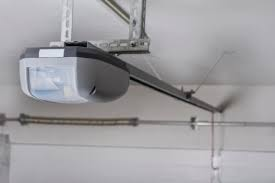
Knowing the actual power consumption can help you choose the right opener, optimize usage, and even save on energy bills without sacrificing convenience or safety.
Read too: Tc1 Tricode Garage Door Opener Remote W/ Clip Chamberlain: Complete Guide
How Garage Door Openers Consume Power
A garage door opener does not consume electricity uniformly. Its energy usage depends on motor type, door weight, frequency of use, and standby mode.
1. Motor Type
- AC Motors: Common in older units; usually consume ½ to 1 HP (370–750 watts) when operating.
- DC Motors: Modern openers are more efficient, often using 100–300 watts per cycle, depending on the load.
2. Door Weight and Size
Heavier doors require more power. For example:
- Single-car doors: Lighter load, lower power draw (approx. 200–400 watts).
- Double-car doors: Heavier load, higher power draw (approx. 400–700 watts).
3. Frequency of Use
Energy consumption increases with frequent operation. Each cycle uses more power while moving the door than when idle.
4. Standby Power
Even when not operating, garage door openers draw a small amount of electricity, usually 2–5 watts, to keep the receiver ready for remotes or Wi-Fi signals.
Tip: Over a year, standby energy accounts for about 10–15 kWh, roughly $1–$2 depending on your electricity rates.
Calculating Power Consumption
You can estimate your opener’s electricity use with the following steps:
Step 1: Identify Motor Wattage
Check the opener label for input power. For example, a ½ HP AC motor may draw 500–700 watts while running.
Step 2: Estimate Usage Time
- Average cycle: 15–30 seconds to open or close.
- Daily cycles: e.g., 4 times/day = 2 minutes total operation.
Step 3: Calculate Energy per Cycle
Energy (kWh) = (Wattage × Hours of operation) ÷ 1,000
Example:
- ½ HP motor (500 watts) × 2 minutes/day = 500 × (2 ÷ 60) ≈ 16.7 watt-hours/day
- Yearly energy: 16.7 × 365 ≈ 6.1 kWh/year
Step 4: Add Standby Energy
- Standby: 5 watts × 24 hours/day × 365 ≈ 43.8 kWh/year
Total estimated yearly consumption: 6.1 + 43.8 ≈ 50 kWh/year, costing roughly $7–$8/year at $0.15/kWh.
Factors That Increase Energy Usage
- Old or Inefficient Motors – Older AC units are less efficient than modern DC motors.
- Heavy Doors – Insulated or double-car doors increase load on the motor.
- Poor Maintenance – Dirty tracks, worn rollers, or unlubricated hinges cause the motor to work harder.
- Frequent Usage – High-traffic households operate the door multiple times a day.
- Remote and Wi-Fi Features – Smart openers with constant connectivity can slightly raise standby energy.
Energy-Efficient Garage Door Openers
Modern openers focus on energy efficiency and quiet operation. Features include:
| Feature | Benefit |
|---|---|
| DC Motor | Uses less power, quieter, smoother operation |
| Smart Controls | Allows remote scheduling, reduces unnecessary use |
| LED Lighting | Low power draw compared to incandescent bulbs |
| Auto-Shutoff Standby Mode | Minimizes phantom load when not in use |
Example: LiftMaster and Chamberlain offer DC openers that consume ~0.5 kWh/month under typical use, significantly lower than older AC models.
Tips to Reduce Power Consumption
- Upgrade to a DC Motor Opener – More efficient and quieter.
- Lubricate and Maintain – Reduce friction and motor load.
- Install Smart Timers – Avoid leaving lights or openers running unnecessarily.
- Check Door Balance – Properly balanced doors require less power to operate.
- Disconnect When Away – For long periods, unplug or turn off Wi-Fi connectivity to save standby energy.
Small steps can save $5–$10/year on energy bills while extending the opener’s lifespan.
Comparing Openers: Energy Use by Type
| Opener Type | Operating Watts | Standby Watts | Typical Yearly kWh |
|---|---|---|---|
| ½ HP AC Motor | 500–700 | 5 | 50–60 |
| 1 HP AC Motor | 700–1000 | 5 | 60–70 |
| DC Motor (½ HP) | 100–300 | 2–3 | 15–20 |
| DC Smart Opener | 150–250 | 2 | 18–22 |
Note: Energy use can vary depending on door size, insulation, and frequency of use.
Common Misconceptions
- “Garage doors use a lot of electricity.”
- False: Even heavy doors consume less than 1 kWh per week under normal use.
- “Smart openers drain a lot of energy.”
- False: Standby power is minimal (2–5 watts), only adding a few kWh per year.
- “Heavier doors automatically double energy usage.”
- False: Properly balanced doors only slightly increase motor load; the main energy consumption occurs during the short operating cycle.
FAQ Section
Q1: How much electricity does a garage door opener use per year?
A1: Typically 40–60 kWh/year, depending on motor type, door weight, and usage frequency.
Q2: Can I calculate my opener’s energy usage at home?
A2: Yes. Use the formula: Energy (kWh) = Wattage × Hours of use ÷ 1,000. Include standby time for total consumption.
Q3: Does upgrading to a DC opener save energy?
A3: Absolutely. DC openers consume less than half the electricity of older AC units while being quieter and smoother.
Q4: Is the garage door opener a significant part of my electricity bill?
A4: No. Typical usage costs about $7–$10/year, which is minimal compared to heating, cooling, or appliances.
Q5: How does door weight affect power consumption?
A5: Heavier doors increase motor load slightly during operation, but modern openers handle this efficiently without significant electricity increase.
Q6: Does Wi-Fi connectivity affect energy usage?
A6: Minimal impact. Smart features draw 2–5 watts in standby, adding only a few kWh per year.
Conclusion
Understanding how much power a garage door opener uses helps homeowners make informed decisions about efficiency, maintenance, and energy costs.
- Modern DC openers are highly efficient and cost-effective.
- Proper maintenance reduces motor load and energy consumption.
- Smart scheduling minimizes unnecessary use and standby energy.
Although garage door openers consume very little electricity, optimizing usage and selecting the right opener enhances safety, longevity, and peace of mind. Share this guide to help others save energy and maintain efficient garage systems.
Pro Tip: Always check the manufacturer’s specifications for accurate wattage and recommended operation guidelines.
Leave a Reply