If you’re trying to manage your home’s electricity usage, you may be wondering: How Many Watts Does A Garage Door Opener Use? It’s a common question, especially for homeowners looking to reduce energy bills or install backup power systems. The good news is that garage door openers are relatively energy-efficient—but there’s more to understand.
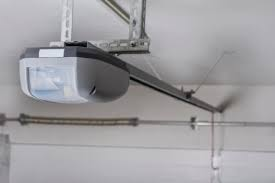
How Many Watts Does A Garage Door Opener Use? (Quick Answer)
Most residential garage door openers use:
- 350 to 550 watts while operating
- 3 to 10 watts in standby mode
👉 Average daily energy use: 0.1–0.2 kWh per day
Read too: How Do You Change Code On Garage Door Keypad Fast?
What Affects Garage Door Opener Power Usage?
Not all garage door openers consume the same amount of electricity.
Key Factors
- Motor horsepower (HP)
- Door size and weight
- Frequency of use
- Type of drive system
- Age of the unit
Wattage by Motor Size
Typical Power Consumption Table
| Motor Size | Watt Usage (Active) | Best For |
|---|---|---|
| 1/3 HP | 350–400 watts | Single lightweight doors |
| 1/2 HP | 400–500 watts | Standard double doors |
| 3/4 HP | 500–600 watts | Heavy or insulated doors |
| 1 HP | 600–750 watts | Oversized/custom doors |
👉 The higher the horsepower, the more electricity it uses—but also the more lifting power it provides.
How Much Electricity Does It Use Per Month?
Let’s break it down with a realistic scenario.
Example Calculation
- 500 watts per use
- 2 minutes per cycle (open + close)
- 4 cycles per day
Daily usage:
500W × (8 minutes ÷ 60) = 66.7 Wh/day
Monthly usage:
66.7 × 30 = ~2 kWh/month
💡 That’s less than most kitchen appliances!
How Much Does It Cost to Run?
Using the U.S. average electricity rate (~$0.15 per kWh):
- Monthly cost: $0.30 – $0.50
- Yearly cost: $4 – $6
👉 Garage door openers are one of the lowest-cost appliances in your home.
Active vs Standby Power Usage
Active Mode
- High wattage (350–750W)
- Only lasts a few minutes
Standby Mode
- Very low usage (3–10W)
- Runs 24/7
Over time, standby power contributes significantly to total consumption.
Types of Garage Door Openers and Their Power Use
Chain Drive
- Higher power consumption
- Durable and affordable
Belt Drive
- Slightly more efficient
- Quieter operation
Screw Drive
- Moderate energy use
- Fewer moving parts
Smart Openers
- Slightly higher standby power
- Added convenience features
Do Smart Garage Door Openers Use More Electricity?
Yes—but only slightly.
Additional Power Usage
- Wi-Fi connectivity: 2–5 watts
- Cameras or sensors: extra load
👉 Still very energy-efficient overall.
Energy Efficiency Comparison
Garage Door Opener vs Other Devices
| Appliance | Average Watts |
|---|---|
| Garage door opener | 350–550W |
| Microwave | 800–1200W |
| Refrigerator | 150–400W |
| Hair dryer | 1000–1800W |
👉 Garage door openers use far less power than most household appliances.
How To Reduce Garage Door Opener Energy Usage
Simple Tips
- Upgrade to energy-efficient models
- Unplug when away for long periods
- Use LED lighting instead of built-in bulbs
- Maintain door balance (reduces strain)
Step-by-Step: How To Measure Your Garage Door Opener Wattage
Want exact numbers? Here’s how.
What You Need
- Watt meter (plug-in device)
Steps
- Plug the watt meter into outlet
- Connect garage door opener
- Activate door
- Record peak wattage
- Monitor standby usage
Signs Your Opener Is Using Too Much Power
Watch for These Issues
- Motor overheating
- Slow or struggling operation
- Unusual noises
- Increased electricity bill
👉 These may indicate inefficiency or wear.
Pros vs Cons of Garage Door Opener Power Usage
Advantages
- ✔ Low overall electricity cost
- ✔ Minimal daily energy consumption
- ✔ Efficient standby operation
Disadvantages
- ✘ Slight standby energy waste
- ✘ Higher usage with larger motors
Real-Life Example
A homeowner with a 1/2 HP opener:
- Watt usage: 450W
- Daily cycles: 6
- Monthly consumption: ~3 kWh
Result: Less than $0.50/month in electricity cost
How Does Garage Door Opener Wattage Compare to Amps?
Watts and amps are related through voltage.
Formula
Watts = Volts × Amps
In the U.S.:
- Voltage = 120V
- Example: 500W ÷ 120V = ~4.2 amps
For more technical understanding, see this explanation of electricity on https://en.wikipedia.org/wiki/Electric_power.
Common Mistakes About Power Usage
- ❌ Assuming it runs all day
- ❌ Overestimating electricity cost
- ❌ Ignoring standby consumption
- ❌ Choosing oversized motors unnecessarily
FAQ: How Many Watts Does A Garage Door Opener Use
1. Does a garage door opener use electricity all the time?
Yes, but only a small amount in standby mode (3–10 watts).
2. Is a higher HP opener less efficient?
Not necessarily, but it uses more power during operation.
3. Can I run a garage door opener on a generator?
Yes, most require 500–800 watts, so small generators can handle it.
4. Do older models use more electricity?
Yes, older units are generally less energy-efficient.
5. How can I lower standby power usage?
Unplug the unit or use a smart plug to cut power when not needed.
6. Is it worth upgrading to a newer model?
Yes, especially for better efficiency, safety, and smart features.
Conclusion
So, How Many Watts Does A Garage Door Opener Use? Most units consume 350–550 watts during operation and just a few watts on standby—making them one of the most energy-efficient devices in your home.
Understanding your opener’s power usage helps you make smarter decisions about energy consumption, upgrades, and maintenance. Whether you’re optimizing your electricity bill or planning a backup power system, this knowledge puts you in control.
If you found this guide helpful, don’t forget to share it on social media and help others better understand their home energy usage!
Leave a Reply