If you own a 16 ft garage door, you know how important it is for the spring to function properly. Knowing how many turns on a 16 ft garage door spring are needed can save you from costly repairs and accidents. Many homeowners struggle with this, unsure how to safely adjust the torsion spring tension. In this guide, we’ll walk you through everything you need to know.
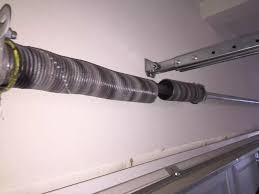
How Many Turns Are Required for a 16 Ft Garage Door Spring?
A standard 16 ft garage door usually requires 30–34 full turns on its torsion spring. The exact number depends on:
- Spring wire size – thicker wire may require fewer turns.
- Door weight – heavier doors require more tension.
- Spring type – single vs double spring system.
Read too: Tc1 Tricode Garage Door Opener Remote W/ Clip Chamberlain: Complete Guide
Expert Tip: Always consult your garage door manual or manufacturer specifications. Incorrect turns can lead to spring breakage or door malfunction. According to Wikipedia on torsion springs, proper winding is critical for safety and efficiency.
| Door Type | Typical Turns | Notes |
|---|---|---|
| Single 16 ft | 30–32 | Standard residential door |
| Double 16 ft | 32–34 | For heavier doors or double springs |
Why Accurate Spring Turns Matter
Incorrect spring tension can cause:
- Door won’t open or close properly
- Excessive wear on opener motor
- Spring breakage, posing safety hazards
Real Case: A homeowner in Ohio reported a door spring snapped after 28 turns instead of 32. The door fell suddenly, damaging the car inside. Proper turn count could have prevented this accident.
Step-by-Step Guide: Adjusting a 16 Ft Garage Door Spring
⚠️ Safety First: Torsion springs are under high tension. Wear gloves, safety glasses, and use winding bars. If unsure, hire a professional.
Tools Needed:
- Winding bars
- Socket wrench
- Ladder
- Gloves & safety glasses
Steps:
- Measure Door Height: Ensure the door is exactly 16 ft and fully closed.
- Secure the Door: Lock it in place using clamps or C-clamps to prevent movement.
- Insert Winding Bars: Into the winding cone of the spring.
- Turn the Spring: Count the number of full rotations according to your door weight:
- Light doors (100–150 lbs): ~30 turns
- Heavy doors (150–200 lbs): ~34 turns
- Check Balance: Lift the door manually. It should stay in place when halfway open.
- Tighten Set Screws: Use a socket wrench to secure the winding cone.
- Test the Opener: Ensure smooth opening and closing.
Tips to Maintain Your Garage Door Spring
- Lubricate Monthly: Use garage door-specific lubricant.
- Inspect Regularly: Look for wear, rust, or gaps in the spring.
- Don’t Overwind: Excess tension reduces spring life.
- Hire a Professional for Replacements: Especially for double or high-tension springs.
Pros vs Cons of DIY Spring Adjustment:
| Pros | Cons |
|---|---|
| Saves money | Risk of injury |
| Immediate adjustment | Wrong turns can damage door |
| Learn garage mechanics | Voids some warranties |
FAQ Section
Q1: Can I adjust a 16 ft garage door spring myself?
A1: Only if you are confident and use proper safety tools. Otherwise, hiring a professional is recommended due to high tension risks.
Q2: How do I know if my spring has the correct number of turns?
A2: Check door balance: halfway open, it should stay put. Consult the manufacturer for exact turns.
Q3: How often should I replace a garage door spring?
A3: Residential springs typically last 10,000 cycles (~7–10 years). Signs of wear include gaps, rust, or creaking noises.
Q4: What happens if I overwind the spring?
A4: Overwinding can break the spring, damage the door, or harm you during operation. Always follow the recommended turn count.
Q5: Do both springs need the same number of turns?
A5: Yes, for balanced lifting. Unequal turns cause uneven door movement and stress on the opener.
Conclusion
Knowing how many turns on a 16 ft garage door spring are required is crucial for door safety and smooth operation. Following the proper turn count and safety measures prevents accidents and prolongs the life of your door. Share this guide with friends or family who own large garage doors to help them avoid costly mistakes!
Leave a Reply