If you’re planning a home upgrade, you’re probably asking: How Long Does It Take To Install A Garage Door? Whether you’re replacing an old door or installing a new one, timing matters—especially if you rely on daily garage access. The good news is that most installations are quicker than you might expect when done correctly.
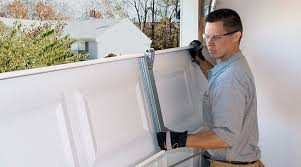
How Long Does It Take To Install A Garage Door? (Quick Answer)
On average, installing a garage door takes:
- 3 to 6 hours for a standard replacement
- 6 to 10 hours for a new installation (no existing setup)
- 1 to 2 days for complex or custom projects
The exact time depends on factors like door type, experience level, and site conditions.
Read too: How Do You Change Code On Garage Door Keypad Fast?
What Factors Affect Installation Time?
Understanding what influences installation time can help you plan better.
Key Factors
1. Type of Garage Door
Different door styles require different installation approaches:
- Sectional doors: Most common, moderate complexity
- Roll-up doors: Faster installation
- Tilt-up doors: Simpler but less common
2. Experience Level
- Professional installer: Faster and more efficient
- DIY beginner: May take twice as long
3. Condition of Existing Structure
- Damaged tracks or framing can delay the process
- Structural repairs may add several hours
4. Tools and Equipment
Having the right tools significantly reduces installation time.
Step-by-Step Garage Door Installation Process
Here’s a detailed breakdown of the process so you know what happens during installation.
Step 1: Remove the Old Door (1–2 Hours)
- Disconnect opener
- Remove springs carefully
- Take down panels and tracks
Safety Note: Springs are under high tension—handle with extreme care.
Step 2: Install New Tracks and Frame (1–2 Hours)
- Align vertical tracks
- Secure horizontal tracks
- Ensure level positioning (use a spirit level)
Step 3: Assemble Door Panels (1–2 Hours)
- Attach hinges and rollers
- Stack panels from bottom to top
- Secure each section properly
Step 4: Install Springs and Cables (1–2 Hours)
- Install torsion or extension springs
- Attach lifting cables
- Adjust tension precisely
Step 5: Connect Garage Door Opener (1 Hour)
- Mount opener motor
- Connect to door system
- Test automatic operation
Step 6: Final Testing and Adjustments (30–60 Minutes)
- Check balance and alignment
- Test opening/closing cycles
- Lubricate moving parts
DIY vs Professional Installation: Time Comparison
| Installation Type | Time Required | Difficulty Level |
|---|---|---|
| DIY Beginner | 8–12 hours | High |
| DIY Experienced | 5–8 hours | Medium |
| Professional | 3–6 hours | Low |
Expert Insight
According to home improvement industry estimates, professional installers complete jobs 30–50% faster due to experience and specialized tools.
Pros and Cons of Fast Installation
Advantages
- ✔ Quick access to garage
- ✔ Less disruption to daily routine
- ✔ Lower labor costs (if hourly)
Disadvantages
- ✘ Rushed work may cause errors
- ✘ Improper alignment risks long-term damage
Can You Install a Garage Door in One Day?
Yes, most standard garage doors can be installed in a single day—especially with professional help.
Conditions for Same-Day Installation
- Pre-measured and pre-ordered door
- No structural repairs needed
- All tools available
- Experienced installer
What Delays Garage Door Installation?
Even simple projects can face delays.
Common Causes
- Incorrect measurements
- Missing hardware
- Weather conditions (for outdoor work)
- پیچ issues (track misalignment, uneven floor)
Cost vs Time: Is Faster Always Better?
Speed and cost often go hand in hand.
General Cost Estimates
- Standard installation: $200–$600 (labor)
- Full installation with door: $800–$2,500+
Faster installations by professionals may cost more upfront but save time and reduce errors.
Real-World Example
A homeowner replacing a standard sectional garage door reported:
- Total time: 4.5 hours
- Installer team: 2 professionals
- No structural issues
In contrast, a DIY installer took 10 hours due to alignment issues and tool limitations.
How to Speed Up Garage Door Installation
Want to reduce installation time? Follow these tips:
Preparation Tips
- Measure opening accurately (width, height, depth)
- Clear workspace (at least 10–12 feet clearance)
- Organize tools beforehand
- Read installation manual thoroughly
Understanding Garage Door Mechanics
Garage doors rely on a system of springs, cables, and tracks to function smoothly. For a deeper technical overview, you can explore this concept on Wikipedia, which explains how different components work together.
Safety Considerations During Installation
Safety should always come first.
Key Safety Tips
- Wear gloves and safety glasses
- Never touch tension springs without proper tools
- Use stable ladders (height 6–8 feet)
- Disconnect power before working on opener
FAQ: How Long Does It Take To Install A Garage Door
1. Can I install a garage door by myself?
Yes, but it’s challenging. Expect 8–12 hours if you’re a beginner.
2. Why does installation take longer for new garages?
Because framing, tracks, and supports must be installed from scratch.
3. Do I need special tools?
Yes. Common tools include drills, wrenches, levels, and spring winding bars.
4. How long does it take to replace just the opener?
Typically 1–2 hours.
5. What’s the fastest installation time possible?
Professionals can complete it in as little as 3 hours for simple replacements.
6. Is professional installation worth it?
Yes. It saves time, ensures safety, and reduces long-term maintenance issues.
Conclusion
So, How Long Does It Take To Install A Garage Door? In most cases, you can expect anywhere from 3 to 6 hours for a standard job, or up to a full day for more complex installations. The key is preparation, proper tools, and understanding the process.
If you want a fast, safe, and hassle-free experience, hiring a professional is often the best choice. But with the right knowledge, even DIY installation can be successful.
If this guide helped you plan your project, feel free to share it on social media and help others make smarter home improvement decisions!
Leave a Reply