If your garage door struggles to open or close smoothly, or seems off-balance, it may be time to learn how do you adjust the springs on a garage door. Springs provide the essential counterbalance that allows your door to move effortlessly. Adjusting them correctly improves safety, door performance, and longevity.
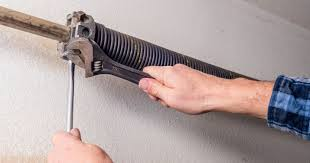
Many homeowners are intimidated by this task, but with proper guidance and safety measures, it’s manageable—even for beginners.
Read too: Tc1 Tricode Garage Door Opener Remote W/ Clip Chamberlain: Complete Guide
Understanding Garage Door Springs
Garage doors typically use two types of springs to assist with lifting:
- Torsion Springs: Mounted above the door; rotate to lift the door.
- Extension Springs: Run along the horizontal tracks; stretch to help raise the door.
Why Springs Matter:
- They counteract the door’s weight (which can exceed 150 lbs).
- Prevent strain on the opener motor.
- Ensure smooth, balanced movement.
According to industry experts, improperly adjusted springs are responsible for 40% of garage door malfunctions, making proper adjustment crucial.
Signs Your Springs Need Adjustment
Look for these warning signs:
- Door is hard to lift manually.
- Door slams shut or reverses unexpectedly.
- Uneven movement or door tilts to one side.
- Cables appear loose or frayed near springs.
If you notice these issues, it’s time to check your springs carefully.
Safety First: Precautions Before Adjusting Springs
Warning: Garage door springs store massive tension and can cause serious injury if mishandled. Always:
- Wear safety glasses and gloves.
- Use proper tools, especially winding bars for torsion springs.
- Never attempt torsion spring adjustments without understanding the mechanics.
- Disconnect the garage door opener before starting.
For high-tension torsion springs, many professionals recommend hiring a licensed technician.
Step-by-Step Guide: Adjusting Extension Springs
- Disconnect Power: Ensure opener is unplugged.
- Clamp the Door: Use locking pliers or C-clamps on the tracks to prevent movement.
- Inspect Springs: Check for damage, rust, or gaps.
- Adjust Tension:
- Most extension springs have hooks at each end.
- Move the hook to the next hole in the track hanger to increase or decrease tension.
- Test the door manually for smooth operation.
- Recheck Cables: Ensure cables are taut and correctly seated on the drums.
Tip: Adjust one side at a time to maintain balance.
Step-by-Step Guide: Adjusting Torsion Springs
- Disconnect the Opener: Unplug from power.
- Clamp the Door: Secure with locking pliers on the tracks.
- Insert Winding Bars: Use proper winding bars (never screwdrivers).
- Loosen Set Screws: Slightly loosen the set screws on the winding cone.
- Adjust Tension:
- Rotate the winding bar slowly:
- Clockwise increases tension for a heavier door.
- Counterclockwise decreases tension for a lighter door.
- Rotate the winding bar slowly:
- Tighten Set Screws: Ensure the winding cone is secure before removing bars.
- Test Door Movement: Check for smooth operation, no jerks, and proper auto-reverse function.
Experts recommend 1/4 turn increments, testing after each adjustment to avoid over-tensioning.
How to Check Door Balance
After adjusting springs:
- Disconnect the opener.
- Lift the door manually halfway.
- Observe behavior:
- Door should remain in place without sliding up or down.
- If it rises, tension is too high; if it falls, tension is too low.
- Adjust gradually until balanced.
A well-balanced door reduces wear on the opener and ensures safe operation.
Troubleshooting Common Spring Problems
| Problem | Cause | Solution |
|---|---|---|
| Door hard to lift | Springs too loose | Increase tension slightly |
| Door slams shut | Springs too tight | Reduce tension gradually |
| Uneven door movement | One side tension higher | Adjust both sides equally |
| Frayed cables | Worn springs | Replace springs and cables |
| Noisy operation | Rust or worn components | Lubricate springs and rollers |
Maintenance Tips for Long-Term Spring Health
- Lubricate springs with silicone-based spray every 6 months.
- Inspect cables for fraying.
- Check door alignment and rollers regularly.
- Avoid DIY replacements for high-tension torsion springs unless trained.
Regular maintenance can extend spring life by 5–7 years and reduce emergency repair costs.
Real-Life Case Study
Scenario: Lisa, a homeowner in Texas, noticed her garage door slamming shut unexpectedly.
Solution:
- She tested door balance and found torsion springs too loose.
- With proper winding bars and safety gear, she adjusted the tension 1/4 turn at a time.
- Tested until the door remained stable halfway open.
Result: Smooth, quiet operation and reduced strain on the motor. The door now operates safely with no jerking or slamming.
External Reference
For additional details on garage door systems and spring types, see Wikipedia: Garage Door.
FAQ: How Do You Adjust The Springs On A Garage Door
Q1: Can I adjust torsion springs myself?
A: Only if you are trained and have the proper winding bars. Otherwise, hire a professional to avoid injury.
Q2: How often should I check garage door springs?
A: Inspect every 6–12 months for wear, rust, and tension issues.
Q3: What if my door still feels heavy after adjustment?
A: Recheck tension and balance. Over- or under-tension can affect smooth operation.
Q4: Can I lubricate springs while adjusting?
A: Yes, but avoid over-lubricating torsion springs while under tension.
Q5: How do I know when springs need replacement?
A: Look for gaps, rust, frayed cables, or if the door becomes unbalanced.
Q6: Are extension springs safer than torsion springs?
A: Extension springs are easier to adjust but still dangerous. Torsion springs store more energy and require professional handling.
Conclusion
Knowing how do you adjust the springs on a garage door ensures safe, smooth, and reliable operation. Proper tension reduces strain on the opener, balances the door, and prevents accidents.
Follow safety precautions, adjust gradually, and maintain your springs regularly. Sharing this guide can help friends and neighbors keep their garage doors safe and fully operational.
Leave a Reply