Choosing the right garage door opener can feel confusing, especially when you’re unsure about size and power requirements. If you’re asking How Big Of A Garage Door Opener Do I Need, you’re not alone—many homeowners struggle to match the right horsepower to their garage door.
In this guide, you’ll learn exactly how to choose the correct opener size based on your door type, weight, and usage—so you avoid costly mistakes and ensure smooth, reliable operation.
Read too: How Do You Change Code On Garage Door Keypad Fast?
How Big Of A Garage Door Opener Do I Need? (Quick Answer)
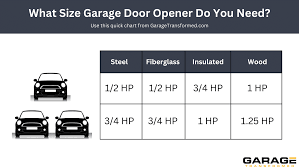
The size of a garage door opener is typically measured in horsepower (HP). Here’s a quick breakdown:
| Garage Door Type | Recommended Opener Size |
|---|---|
| Single lightweight door | 1/3 HP |
| Standard single door | 1/2 HP |
| Double garage door | 3/4 HP |
| Heavy/custom wood door | 1 HP or higher |
Key takeaway: Most homes in the U.S. use a 1/2 HP or 3/4 HP opener, depending on door size and material.
What Does Garage Door Opener Size Mean?
When people ask How Big Of A Garage Door Opener Do I Need, they’re really asking about motor power.
Horsepower determines:
- How easily the opener lifts your door
- How long the motor lasts
- How quiet and smooth the operation is
A motor that’s too small will:
- Wear out faster
- Struggle to lift the door
- Require more repairs
A properly sized opener ensures efficiency, durability, and safety.
What Factors Determine the Right Opener Size?
1. Garage Door Size
The larger the door, the more power you need.
- Single door (8–10 ft wide): 1/2 HP is usually enough
- Double door (16 ft wide): 3/4 HP or higher
2. Door Material
Heavier materials require more horsepower:
- Steel (lightweight): lower HP needed
- Aluminum: very light
- Wood: heavy → requires 3/4 HP or 1 HP
3. Door Weight
Even doors of the same size can vary in weight. Insulated doors are heavier and require stronger motors.
4. Usage Frequency
Ask yourself:
- Do you open your garage 2–3 times daily?
- Or 10+ times per day?
Higher usage = more wear → choose higher horsepower.
What Happens If You Choose the Wrong Size?
Choosing the wrong opener size can lead to serious issues.
Too Small Opener
Cons:
- Motor strain and overheating
- Shorter lifespan
- Slower operation
- Increased maintenance
Too Large Opener
Pros:
- Longer lifespan
- Smoother operation
Cons:
- Slightly higher upfront cost
👉 Pro Tip: It’s better to go slightly bigger than too small.
Common Garage Door Opener Sizes Explained
1/3 HP Garage Door Opener
Best for:
- Lightweight single doors
Pros:
- Affordable
- Energy-efficient
Cons:
- Not suitable for heavy doors
1/2 HP Garage Door Opener
Best for:
- Standard residential single doors
Why it’s popular:
- Balanced power and price
- Works for most homes
3/4 HP Garage Door Opener
Best for:
- Double garage doors
- Insulated doors
Advantages:
- Stronger lifting capacity
- Longer durability
1 HP or Higher
Best for:
- Oversized or custom doors
- Solid wood garage doors
Use case:
- Heavy-duty applications
- High-cycle usage (frequent opening)
Real-World Example (Case Study)
Let’s say a homeowner installs a 1/2 HP opener on a double insulated garage door.
Result:
- Motor struggles within months
- Increased noise and vibration
- Eventually burns out
After upgrading to a 3/4 HP opener:
- Smooth operation restored
- Noise reduced
- Longer lifespan achieved
Lesson: Matching horsepower to door type is critical.
Step-by-Step: How To Choose the Right Opener Size
Follow this simple process:
Step 1: Measure Your Garage Door
- Width (e.g., 8 ft, 16 ft)
- Height (typically 7–8 ft)
Step 2: Identify Material
- Steel
- Aluminum
- Wood
- Insulated
Step 3: Estimate Weight
- Lightweight → lower HP
- Heavy/insulated → higher HP
Step 4: Consider Usage
- Low use → standard HP
- High use → upgrade power
Step 5: Choose Horsepower
- Single door → 1/2 HP
- Double/heavy → 3/4 HP or more
Garage Door Opener Types (Does Size Affect Them?)
While horsepower is important, opener type also matters:
Chain Drive
- Strong and affordable
- Slightly noisy
Belt Drive
- Quiet operation
- Ideal for attached garages
Screw Drive
- Fewer moving parts
- Moderate noise
Direct Drive
- Very quiet
- Long lifespan
Important: Horsepower applies across all types.
Pros vs Cons of Higher Horsepower
Advantages
- Longer motor lifespan
- Handles heavy doors easily
- Less strain on components
Disadvantages
- Higher upfront cost
- Slightly higher energy use
Energy Usage Consideration
According to general electrical usage principles (see: https://en.wikipedia.org/wiki/Electric_motor), higher horsepower motors consume more energy—but modern openers are designed to be efficient.
Typical usage:
- Active operation: 300–700 watts
- Standby: minimal power
So, even larger motors won’t drastically increase your electricity bill.
Expert Tips for Choosing the Right Size
- Always check manufacturer recommendations
- Don’t ignore door weight
- Consider future upgrades (insulation, heavier door)
- Choose reliability over saving a few dollars
Rule of thumb:
If you’re unsure, go with 3/4 HP—it covers most scenarios safely.
FAQ: How Big Of A Garage Door Opener Do I Need
1. Is 1/2 HP enough for a garage door?
Yes, a 1/2 HP opener is sufficient for most standard single garage doors made of steel or aluminum.
2. Do I need 3/4 HP for a double garage door?
Yes, a 3/4 HP opener is recommended for double doors, especially if they are insulated or heavy.
3. What happens if my opener is too weak?
A weak opener may struggle, wear out faster, and eventually fail due to motor strain.
4. Is 1 HP overkill for residential use?
Not necessarily. It’s ideal for heavy doors or frequent use, and it increases durability.
5. Does horsepower affect noise?
Not directly, but stronger motors often operate more smoothly, which can reduce noise.
6. Can I upgrade my opener without changing the door?
Yes, upgrading to a higher horsepower opener is common and often improves performance.
Conclusion
Understanding How Big Of A Garage Door Opener Do I Need is essential for long-term performance and reliability. Choosing the right horsepower ensures your garage door operates smoothly, safely, and efficiently.
Quick recap:
- 1/2 HP → standard single doors
- 3/4 HP → double or insulated doors
- 1 HP → heavy-duty or high-use doors
Investing in the right size now can save you from costly repairs later.
If you found this guide helpful, feel free to share it on social media and help others choose the perfect garage door opener with confidence!
Leave a Reply