Few things are more frustrating than a garage door that opens with the remote but refuses to close. This problem can interrupt daily routines, compromise security, and even pose a safety risk.
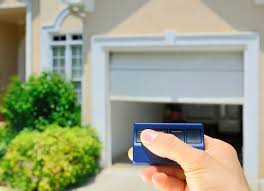
Whether you’re a DIY homeowner or just trying to understand why your garage door behaves this way, this guide explains why this happens, how to troubleshoot it, and the best solutions for long-term reliability.
Read too: How Do You Change Code On Garage Door Keypad Fast?
How Garage Door Safety Mechanisms Work
Most modern garage doors are equipped with safety sensors located near the floor on both sides of the door. These sensors emit an infrared beam that, when interrupted, signals the opener to stop or reverse the door’s motion.
- If a sensor is misaligned, dirty, or blocked, the door may open but refuse to close.
- Older openers without sensors rely on force settings, which can also prevent closing if misadjusted.
According to Wikipedia, safety sensors are required in modern garage door systems to prevent injury and property damage, making them a critical component of proper operation.
Understanding how your garage door opener works is the first step toward effective troubleshooting.
Common Reasons Your Garage Door Won’t Close With Remote But Will Open
1. Misaligned Safety Sensors
The most frequent cause is misaligned sensors. Over time, sensors can shift slightly due to vibrations or accidental bumps. A blinking or unlit sensor usually indicates misalignment.
2. Dirty or Obstructed Sensors
Dust, cobwebs, or dirt can block the infrared beam. Even small debris can prevent the door from closing.
3. Remote Battery or Signal Problems
A weak remote battery or interference from other wireless devices can affect closing commands while still allowing opening.
4. Obstructions on the Door Path
Even small objects on the track, like a hose, tools, or uneven floor surfaces, can trigger safety reversal.
5. Wiring or Circuit Issues
Frayed or loose wires connecting the sensors to the opener can cause inconsistent behavior. Damaged circuit boards may also prevent proper closing.
6. Force Setting Misadjustment
Older garage doors use a force adjustment screw to control the pressure needed to open and close. If set incorrectly, the opener may allow upward movement but prevent downward motion.
7. Faulty Garage Door Opener Components
Motor failures, worn rollers, or broken gears can sometimes allow upward movement but inhibit closing.
Step-by-Step Troubleshooting and Fixes
Step 1: Inspect and Align Sensors
- Locate the sensors on each side of the garage door near the floor.
- Check that the LED lights are steady. If blinking, realign the sensors until the light stays solid.
- Clean the lenses with a soft cloth. Avoid harsh chemicals that may damage the sensors.
- Remove any objects that may block the path of the beam.
Tip: Place a small box in the door path and test if the door stops when the beam is blocked. This confirms the sensors are functioning.
Step 2: Clean and Maintain Sensors
- Remove dust, spider webs, and dirt regularly (at least twice a year).
- Avoid using high-pressure water sprays as they can damage the sensors.
- Check wiring connections to ensure there are no loose or corroded contacts.
Step 3: Check the Remote
- Replace the batteries with fresh ones.
- Test the remote from various distances and angles.
- If your remote still doesn’t close the door, reprogram it following the manufacturer’s instructions.
Expert Tip: Keep a spare remote to isolate whether the issue is with the remote itself or the opener.
Step 4: Check for Obstructions in the Door Path
- Inspect the tracks for tools, debris, or uneven surfaces.
- Make sure the door’s bottom edge isn’t warped or damaged.
- Even minor obstructions like a wet floor or small threshold can trigger safety reversal.
Step 5: Inspect Wiring and Circuitry
- Examine wires connecting the sensors to the opener.
- Look for frayed, pinched, or corroded wires.
- Tighten loose connections and replace any damaged wires.
- Check the opener’s circuit board for signs of burning or damage.
Pro Tip: Use a multimeter to test continuity if you’re comfortable with basic electrical troubleshooting.
Step 6: Adjust Force Settings (Older Openers)
- Locate the force adjustment screw on the opener motor.
- Turn the screw clockwise to increase force or counterclockwise to decrease force.
- Test the door after each adjustment until it closes smoothly without reversing.
Important: Over-adjusting the force can be dangerous. Always make small incremental changes.
Step 7: Test the Door from the Wall Switch
- If the door closes normally from the wall-mounted button, the problem is likely the remote or sensor signal.
- If the door still won’t close from the wall, the problem may be mechanical or electrical.
Step 8: Professional Inspection
If troubleshooting fails:
- Call a certified garage door technician.
- They can inspect the motor, gears, and internal circuitry safely.
- Consider replacing old openers if repeated failures occur.
Maintenance Tips to Prevent Future Issues
- Clean sensors regularly and check alignment.
- Check remote batteries every 6 months.
- Lubricate rollers and tracks at least once a year.
- Test safety reversal system quarterly by placing an object in the door path.
- Inspect wiring and circuit boards annually for wear or corrosion.
Case Study: Real-Life Example
Scenario: A homeowner noticed their garage door opened with the remote but refused to close.
Investigation:
- Sensor lenses were dusty, and one sensor had shifted slightly after a minor bump from a car.
- Replacing batteries did not fix the issue.
- After realigning and cleaning sensors, the door closed perfectly from both the remote and wall switch.
Lesson: Often, the simplest fix—sensor cleaning and alignment—resolves the majority of cases.
Common Mistakes to Avoid
- Ignoring sensor alignment: Even minor misalignment prevents closing.
- Replacing components unnecessarily: Many people replace remotes or openers without checking sensors first.
- Over-adjusting force settings: Too much force can damage the door or opener.
- Neglecting regular maintenance: Preventable wear and tear often causes these issues.
FAQ Section
Q1: Why does my garage door open but not close with the remote?
A: Common causes include misaligned or dirty sensors, remote battery issues, obstructions, or force misadjustment.
Q2: Can I fix this myself?
A: Yes. Most sensor, remote, or obstruction issues can be fixed safely by homeowners. Mechanical or wiring problems may require a professional.
Q3: Will replacing the remote solve the problem?
A: Only if the remote is faulty. Check sensors and wall button operation first.
Q4: What if the door still won’t close after all checks?
A: Inspect wiring, force settings, and opener components. If unresolved, call a certified garage door technician.
Q5: How often should I maintain my garage door sensors?
A: Clean sensors at least twice a year and inspect alignment quarterly to prevent closing issues.
Q6: Is it safe to override the safety sensors?
A: No. Safety sensors prevent accidents. Never disable them.
Conclusion
A garage door that won’t close with remote but will open is usually a sensor, obstruction, or remote issue. With careful troubleshooting—cleaning and aligning sensors, checking remote batteries, inspecting wiring, and adjusting force settings—you can often resolve the problem yourself.
Regular maintenance and periodic testing of the door and sensors prevent future failures. Share this guide with friends or family to help them troubleshoot similar issues safely and efficiently.
By following these steps, your garage door will operate smoothly, safely, and reliably, giving you peace of mind and convenience every day.
Leave a Reply