Experiencing a garage door that will not go all the way down can be frustrating and even unsafe. It interrupts daily routines, creates security risks, and may signal underlying mechanical issues. Understanding why this happens and how to fix it is essential for homeowners and businesses alike.
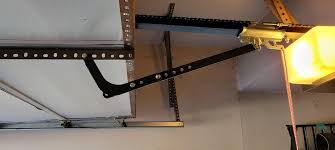
In this article, we’ll cover the most common causes, step-by-step solutions, and preventive tips to ensure your garage door closes smoothly every time.
Common Causes of a Garage Door Not Closing Fully
1. Misaligned Safety Sensors
Most modern garage doors have infrared safety sensors near the bottom. Misalignment or obstruction can prevent the door from closing completely.
Read too: Tc1 Tricode Garage Door Opener Remote W/ Clip Chamberlain: Complete Guide
Signs:
- Door stops and reverses when closing.
- Indicator lights on the sensors blink.
Solution:
- Clean the lenses with a soft cloth.
- Ensure both sensors are aligned and facing each other.
2. Track Obstructions or Damage
Debris, bent tracks, or loose screws can hinder door movement.
Symptoms:
- Door jerks or stops midway.
- Uneven gaps between door panels.
Solution:
- Remove debris and check tracks for bends.
- Tighten loose screws or replace damaged sections.
3. Improper Limit Switch Settings
Garage door openers have limit switches that control how far the door travels. Incorrect settings may prevent full closure.
Signs:
- Door stops just above the floor.
- Door reverses before reaching the ground.
Solution:
- Locate the opener’s limit adjustment screws (usually marked “Up” and “Down”).
- Turn the “Down” screw slightly clockwise to increase travel distance.
- Test and readjust as necessary.
4. Worn or Broken Springs
Torsion or extension springs balance the door’s weight. If they’re weak, the door may fail to close fully.
Signs:
- Door feels heavy or hard to lift manually.
- Springs appear stretched or broken.
Professional Solution:
- Do not attempt DIY spring replacement—high tension springs can cause serious injury. Call a certified technician.
5. Damaged Rollers or Hinges
Worn rollers or hinges can cause uneven door movement and prevent it from reaching the floor.
Solution:
- Inspect rollers for cracks or flat spots.
- Lubricate moving parts with silicone-based lubricant.
- Replace damaged rollers or hinges.
Step-By-Step Guide to Fix Your Garage Door
- Check Safety Sensors: Clean lenses and realign if necessary.
- Inspect Tracks: Remove debris, tighten screws, and straighten bent tracks.
- Adjust Limit Switches: Increase downward travel in small increments and test.
- Lubricate Moving Parts: Hinges, rollers, and tracks.
- Test Door Operation: Open and close multiple times to ensure smooth movement.
Note: If the door still does not close fully after these steps, call a professional garage door repair service.
Preventive Maintenance Tips
- Inspect Sensors Monthly: Ensure nothing blocks the beam.
- Lubricate Quarterly: Keep rollers, tracks, and hinges moving freely.
- Check Springs Annually: Professional inspection prevents sudden failure.
- Clean Tracks Regularly: Avoid debris buildup that obstructs movement.
- Test Limit Switches Seasonally: Ensure settings remain accurate.
Regular maintenance can prevent most common causes of incomplete door closure and prolong the life of your garage door.
FAQ Section
Q1: Why does my garage door stop before touching the floor?
A1: Usually due to misaligned sensors, limit switch issues, or obstruction in the tracks.
Q2: Can I adjust the limit switch myself?
A2: Yes, most openers allow minor adjustments via screws, but follow the manufacturer’s instructions carefully.
Q3: Are safety sensors important?
A3: Absolutely. They prevent the door from closing on objects or people, ensuring safety.
Q4: How often should garage door springs be inspected?
A4: Springs should be checked annually by a certified professional, as failure can cause severe injury.
Q5: Will lubricating the door fix it?
A5: Lubrication helps rollers and hinges move smoothly but may not fix sensor or limit switch issues.
Q6: When should I call a professional?
A6: If the door still does not close fully after basic troubleshooting, or if springs or opener mechanisms are involved.
Conclusion
A garage door that will not go all the way down is not just inconvenient—it can pose safety and security risks. By understanding the common causes and following preventive maintenance, you can ensure your garage door operates reliably and safely.
Share this guide with friends or family to help them troubleshoot their garage doors and avoid costly repairs!
Leave a Reply