Experiencing a garage door opener that does not work in cold weather can be frustrating, especially during freezing winters when reliable access is critical. Cold temperatures can affect the opener’s motor, sensors, and lubrication, preventing smooth operation.
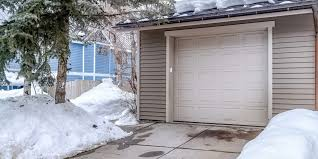
If your opener struggles or stops functioning in chilly conditions, understanding the causes and remedies will help you restore reliable performance while protecting your garage door system.
Common Reasons Your Garage Door Opener Fails in Cold Weather
Cold weather introduces unique challenges to garage door openers. Here are the primary causes:
1. Stiff or Frozen Components
- Springs and rollers can stiffen in sub-zero temperatures, increasing the effort required to lift the door.
- Frozen tracks or hinges prevent smooth motion, often causing the opener motor to stall.
Read too: Tc1 Tricode Garage Door Opener Remote W/ Clip Chamberlain: Complete Guide
2. Battery or Power Issues
- Remote controls and keypads may fail if the batteries are weak in cold temperatures.
- Circuit boards can be sensitive to temperature extremes, reducing opener efficiency.
3. Thickened Lubrication
- Standard lubricants can thicken or solidify in freezing weather, increasing friction.
- Lack of smooth movement can trigger safety sensors, preventing the door from opening.
4. Misaligned Sensors
- Temperature fluctuations may shift the alignment of photoelectric sensors.
- Even a slight misalignment prevents the opener from activating.
Step-by-Step Solutions for Cold Weather Garage Door Problems
Here’s how to address issues systematically:
Step 1: Inspect the Door and Hardware
- Check tracks for ice or debris and remove obstructions.
- Examine rollers, hinges, and springs for rust or stiffness.
- Verify door balance: disconnect the opener and lift manually; it should move smoothly.
Step 2: Lubricate Moving Parts
- Use a silicone-based lubricant on rollers, hinges, and tracks.
- Avoid thick grease in winter as it can harden.
- Lubricate torsion springs lightly to reduce strain on the motor.
Step 3: Check Batteries and Power
- Replace remote control batteries with fresh, high-quality lithium batteries.
- Inspect the main power supply for voltage drops or intermittent issues.
- Ensure the opener’s circuit board is free of moisture.
Step 4: Adjust or Realign Sensors
- Make sure the sensors face each other correctly and are clear of ice or condensation.
- Clean sensor lenses with a dry cloth.
- Verify proper operation: the LED indicator should light consistently.
Step 5: Pre-Warm the Opener (Optional)
- In extreme cold, a small heater or insulation around the motor housing can improve performance.
- Avoid direct heat sources that could damage electrical components.
Tips to Prevent Cold Weather Problems
- Schedule annual maintenance before winter.
- Apply winter-grade lubricant to all moving parts.
- Keep the garage slightly warmer if possible, using insulation or heating systems.
- Ensure proper weatherstripping to prevent ice buildup at the base of the door.
Comparison: Cold-Weather vs. Standard Openers
| Feature | Standard Opener | Cold-Weather Opener |
|---|---|---|
| Lubrication Requirement | Moderate | High, winter-grade |
| Motor Sensitivity | Medium | Low, frost-resistant |
| Sensor Protection | Standard | Sealed and insulated |
| Maintenance Frequency | Annual | Bi-annual |
Choosing a cold-weather-rated opener can reduce winter failures and extend the lifespan of your garage door system.
Real-Life Case Study
A homeowner in Toronto, Canada, reported repeated failure of their opener below -10°C. The opener stalled due to thickened grease and misaligned sensors. After switching to silicone-based lubrication, realigning sensors, and using lithium batteries, the system operated reliably throughout winter.
Case studies consistently show that proper lubrication, sensor maintenance, and battery choice are critical for winter garage door performance.
FAQ Section
Q1: Why does my garage door opener work manually but not automatically in cold weather?
A1: This is usually due to sensor misalignment, motor strain, or thickened lubrication. Manually, the door overcomes resistance, but the opener motor may not.
Q2: Can I use standard lubricant for winter?
A2: No, standard grease can thicken. Use silicone-based or low-temperature lubricants for consistent operation.
Q3: Should I replace the opener for winter?
A3: Not always. Many openers function well with maintenance and minor adjustments, but extreme climates may require cold-weather-rated models.
Q4: How can I prevent ice buildup on my garage door?
A4: Ensure proper weatherstripping, remove snow promptly, and consider heating cables in extreme climates.
Q5: Why do remote controls fail in winter?
A5: Cold temperatures reduce battery efficiency. Use lithium batteries, which perform better in low temperatures.
Q6: Can insulation help the opener?
A6: Yes, insulating the garage and motor housing keeps temperatures more stable, preventing motor strain and sensor issues.
Conclusion
Dealing with a garage door opener that does not work in cold weather can be stressful, but most problems are preventable with proper maintenance and preparation. Key takeaways:
- Inspect and lubricate moving parts with winter-grade lubricant
- Replace remote batteries with cold-resistant lithium options
- Check sensor alignment and remove ice or debris
- Consider insulation or cold-weather-rated openers for extreme climates
By following these steps, your garage door can function reliably, even in the harshest winter conditions. Share this guide with friends and family who struggle with winter garage door issues to help them stay safe and prepared.
Pro Tip: Annual maintenance before the first frost can prevent up to 80% of winter opener failures, according to industry experts.
Leave a Reply