If you’ve ever asked yourself, “Do I Need Fire Door Between Garage And House?”, you’re already thinking like a responsible homeowner. This question usually comes up during renovations, home inspections, or safety upgrades. The short answer? In most cases, yes—you do need one, and it’s not just about following building codes, but protecting your family.
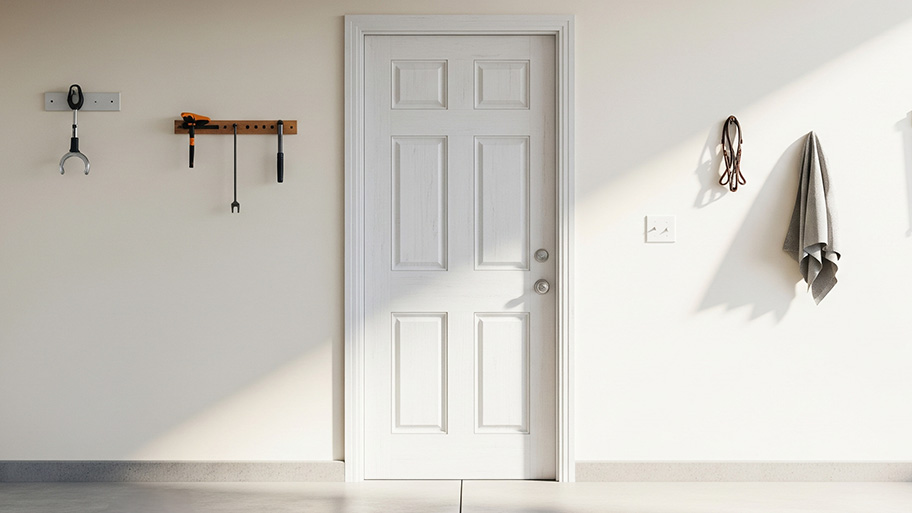
Do I Need Fire Door Between Garage And House by Code?
Yes, in most parts of the United States, building codes require a fire-rated door between the garage and the house.
Read too: Tc1 Tricode Garage Door Opener Remote W/ Clip Chamberlain: Complete Guide
What Do Building Codes Say?
The International Residential Code (IRC)—used widely across the U.S.—requires that:
- The door between a garage and living space must be:
- Solid wood (minimum 1-3/8 inches thick)
- Solid or honeycomb-core steel door
- Or a 20-minute fire-rated door
Why This Rule Exists
According to fire safety experts, garages are one of the most common sources of residential fires due to:
- Flammable liquids (gasoline, paint, solvents)
- Electrical equipment
- Vehicle-related risks
A fire-rated door acts as a barrier, slowing down fire and smoke spread.
What Is a Fire-Rated Door and How Does It Work?
A fire-rated door is specially designed to withstand fire for a specific period—usually 20, 45, 60, or 90 minutes.
How It Protects Your Home
- Resists flames and heat
- Prevents smoke infiltration
- Gives occupants more time to escape
For a deeper understanding of how fire behaves and spreads, you can refer to this authoritative source:
https://en.wikipedia.org/wiki/Fire
Real-World Insight
According to the National Fire Protection Association (NFPA):
- U.S. fire departments respond to over 350,000 home fires annually
- Garages are a significant ignition point
This makes installing a proper door not just a legal requirement—but a life-saving one.
What Type of Door Is Required for Garage Entry?
Not all doors are equal. Here’s a quick comparison:
Garage Entry Door Types
| Door Type | Fire Resistance | Code Compliant | Notes |
|---|---|---|---|
| Hollow-core wood | ❌ No | ❌ No | Not safe |
| Solid wood | ✅ Yes | ✅ Yes | Minimum thickness required |
| Steel door | ✅ Yes | ✅ Yes | Most common |
| Fire-rated door | ⭐ Best | ✅ Yes | Highest protection |
Key Requirements:
- Self-closing or tight-fitting
- No pet doors (they weaken fire resistance)
- Proper sealing around edges
Do Older Homes Need to Upgrade to Fire Doors?
This is a common concern.
The Truth:
- Older homes may be grandfathered in (not required to upgrade immediately)
- However, during:
- Renovations
- Home sales
- Insurance inspections
You may be required to upgrade.
Expert Tip:
Even if not required, upgrading to a fire-rated door is a low-cost safety improvement with high impact.
How to Install a Fire Door Between Garage and House
If you’re planning a DIY installation, follow these steps:
Step-by-Step Guide
- Measure the Door Opening
- Standard size: 80 inches tall, 32–36 inches wide
- Choose the Right Door
- Look for a 20-minute fire rating label
- Remove the Old Door
- Carefully detach hinges and frame if needed
- Install the New Frame
- Ensure level alignment
- Use shims for accuracy
- Mount the Door
- Attach hinges securely
- Check smooth opening/closing
- Seal Gaps
- Use fire-resistant caulk
- Ensure no air gaps
- Test the Door
- It should close automatically
- No sticking or misalignment
💡 Important: Keep gaps under 1/8 inch around edges for proper sealing.
Benefits of Installing a Fire Door
✅ Advantages
- Slows fire spread by at least 20 minutes
- Reduces smoke exposure
- Meets legal building codes
- May lower insurance premiums
❌ Disadvantages
- Slightly higher upfront cost ($150–$400)
- Heavier than standard doors
- Requires proper installation
Common Mistakes Homeowners Make
Avoid these frequent errors:
- Installing hollow-core interior doors
- Leaving gaps or poor sealing
- Removing self-closing mechanisms
- Adding pet doors or vents
These mistakes can void the fire protection entirely.
Is a Self-Closing Door Required?
In many jurisdictions, yes.
Why It Matters:
A door left open during a fire is useless.
Self-closing hinges ensure:
- The door shuts automatically
- Fire and smoke stay contained
How Much Does a Fire Door Cost?
Typical Price Breakdown:
| Item | Cost Range |
|---|---|
| Fire-rated door | $150 – $400 |
| Installation | $100 – $300 |
| Hardware | $50 – $150 |
Total Estimated Cost:
👉 $300 – $850
Compared to the potential damage of a house fire, this is a small investment.
FAQ Section
1. Do I legally need a fire door between garage and house?
Yes, most U.S. building codes require at least a 20-minute fire-rated or solid-core door.
2. Can I use a regular interior door?
No. Hollow-core doors do not provide fire resistance and are not code compliant.
3. What is a 20-minute fire-rated door?
It means the door can withstand fire exposure for at least 20 minutes before failing.
4. Does the door need to be self-closing?
In many areas, yes. It ensures the door is always closed in case of fire.
5. Are steel doors better than wood?
Steel doors are generally more durable and commonly used, but both can meet fire code requirements.
6. Will a fire door increase home value?
Indirectly, yes. It improves safety, which is attractive to buyers and inspectors.
Conclusion
So, do you need a fire door between garage and house? In most cases, yes—and for good reason. It’s not just about meeting building codes, but protecting your home, your belongings, and your loved ones.
A properly installed fire-rated door can give you precious extra minutes during an emergency—time that can save lives.
If you found this guide helpful, consider sharing it on social media to help others stay safe too.
Leave a Reply