If you’re dealing with a malfunctioning garage, you might be asking: Can You Open a Garage Door With a Broken Spring? It’s a common issue—and a frustrating one—especially when you’re in a rush.
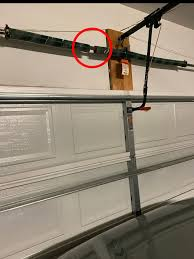
The short answer is yes, but it’s not that simple. Opening a garage door with a broken spring can be dangerous and requires the right approach. This guide will walk you through everything you need to know safely and effectively.
Read too: Tc1 Tricode Garage Door Opener Remote W/ Clip Chamberlain: Complete Guide
What Happens When a Garage Door Spring Breaks?
Garage door springs are responsible for counterbalancing the heavy weight of the door. Without them, the door becomes extremely difficult to lift.
Types of Garage Door Springs
There are two main types:
- Torsion Springs (mounted above the door)
- Extension Springs (located on the sides)
When either breaks, the system loses its balance.
Key Facts
- A typical garage door weighs 130–400 pounds
- Springs handle 90–95% of the lifting force
- According to industry estimates, springs last 7–10 years or ~10,000 cycles
Without a working spring, you’re essentially lifting the full weight manually.
Can You Open a Garage Door With a Broken Spring?
The Honest Answer: Yes, But Be Careful
You can open it—but only under certain conditions.
Situations Where It’s Possible
- You have at least 2–3 strong people helping
- The door is relatively lightweight
- You open it manually (not using the opener)
Situations Where It’s Dangerous
- You try to use the automatic opener
- You attempt to lift it alone
- The door is large or insulated (heavier)
Important: Using the opener with a broken spring can damage the motor or burn it out.
Why Is It Dangerous to Open a Garage Door With a Broken Spring?
1. Sudden Door سقوط (Drop Risk)
Without spring tension, the door can slam shut unexpectedly, causing injury or property damage.
2. Strain on Garage Door Opener
Garage door openers are not designed to lift full weight. Forcing it can:
- Burn out the motor
- Break internal gears
- Void warranty
3. Personal Injury Risk
The U.S. Consumer Product Safety Commission reports thousands of garage door-related injuries annually.
Step-by-Step: How to Open a Garage Door With a Broken Spring (Safely)
If you must open it, follow these steps carefully:
Step 1: Disconnect the Opener
- Pull the emergency release cord (usually red)
- This disconnects the door from the motor
Step 2: Gather Help
- Get at least 2–3 people
- Assign one person per side if possible
Step 3: Lift Evenly
- Lift from the bottom
- Keep movements slow and synchronized
Step 4: Secure the Door Open
- Use locking pliers or clamps on the track
- This prevents it from falling
Step 5: Close Carefully
- Reverse the process slowly
- Never let it drop
Can You Use the Garage Door Opener?
Short Answer: No (Not Recommended)
Using an automatic opener when the spring is broken is risky.
What Can Happen?
| Risk | Explanation |
|---|---|
| Motor Burnout | Opener overloads |
| Chain/Belt Damage | Excess strain |
| Door Misalignment | Uneven lifting |
Expert Tip: If you must use it temporarily, do so only once—and expect possible damage.
Signs Your Garage Door Spring Is Broken
Recognizing the issue early can prevent accidents.
Common Signs
- Loud bang (like a gunshot)
- Door opens a few inches then stops
- Door feels extremely heavy
- Visible gap in the spring
- Opener struggles or stops
Repair vs Replacement: What Should You Do?
Repair Is Rare
Garage door springs are not repaired—they are replaced.
Cost Breakdown (US Average)
| Type | Cost Range |
|---|---|
| Torsion Spring | $150–$350 |
| Extension Spring | $100–$200 |
| Labor | $75–$150 |
DIY vs Professional Repair
DIY Pros & Cons
Pros:
- Lower cost
- Immediate fix
Cons:
- High injury risk
- Requires specialized tools
- Incorrect installation risks
Professional Repair Benefits
- Safer installation
- Proper tension calibration
- Warranty included
For safety standards and mechanical background, you can learn more about how spring systems work on Wikipedia:
https://en.wikipedia.org/wiki/Spring_(device)
Tips to Prevent Future Garage Door Spring Failure
Maintenance Checklist
- Lubricate springs every 3–6 months
- Inspect for rust or wear
- Balance test (disconnect opener and lift halfway)
- Replace springs every 7–10 years
Pro Tip
Install high-cycle springs (20,000–30,000 cycles) if you use your garage frequently.
Advantages vs Risks of Opening a Broken Garage Door
Quick Comparison
Advantages:
- Immediate access to vehicle
- Temporary solution in emergencies
Risks:
- Serious injury
- Costly damage
- Door سقوط (collapse)
FAQ Section
1. Can I open my garage door alone with a broken spring?
It’s not recommended. Garage doors are very heavy without spring support. You risk injury or losing control of the door.
2. Will opening it once cause damage?
Possibly. Even a single use with a broken spring can strain the opener or misalign the tracks.
3. How long does it take to fix a broken spring?
A professional can typically replace it in 30–60 minutes.
4. Can I replace just one spring?
If your system uses two springs, experts recommend replacing both to maintain balance and longevity.
5. Is it an emergency repair?
Yes—especially if:
- Your car is trapped
- The door won’t close securely
- Safety is compromised
6. What happens if I ignore a broken spring?
The problem worsens. You risk damaging other components like cables, rollers, and the opener.
Conclusion
So, Can You Open a Garage Door With a Broken Spring? Yes—but only with caution, proper help, and awareness of the risks.
While it may solve an immediate problem, it’s not a long-term solution. The safest and smartest move is to replace the spring as soon as possible.
If this guide helped you, consider sharing it on social media to help others avoid costly mistakes and stay safe!
Leave a Reply