Choosing between a 1/2 HP vs 3/4 HP garage door opener can feel confusing—especially if you’re unsure how much power your garage door actually needs. Many homeowners worry about performance, durability, and cost, but don’t know which option truly fits their situation.
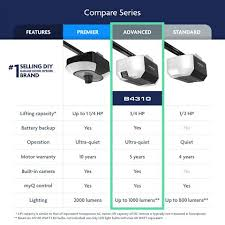
In this guide, we’ll break everything down in simple terms so you can confidently pick the right opener for your home.
Read too: How Do You Change Code On Garage Door Keypad Fast?
What Does HP Mean in Garage Door Openers?
Before comparing options, it’s important to understand what horsepower (HP) means.
Horsepower refers to the motor strength of your garage door opener. The higher the HP, the more lifting force the motor provides.
According to engineering standards explained on Wikipedia, horsepower is a unit used to measure power output. In garage door openers, it directly impacts:
- Lifting capacity
- Speed consistency
- Motor lifespan
- Noise levels under load
👉 In simple terms: more HP = more power and less strain on the motor.
1/2 HP vs 3/4 HP Garage Door Opener: Key Differences
Let’s look at the core differences side by side:
| Feature | 1/2 HP Opener | 3/4 HP Opener |
|---|---|---|
| Best For | Single, lightweight doors | Double or heavy doors |
| Lifting Power | Moderate | High |
| Durability | Good | Excellent |
| Noise Under Load | Slightly higher | Lower (less strain) |
| Price | More affordable | Slightly more expensive |
| Lifespan | 8–10 years (avg) | 10–15 years (avg) |
Which Garage Doors Need a 1/2 HP Opener?
A 1/2 HP garage door opener is the most common option—and for good reason. It works perfectly for standard residential setups.
Ideal Use Cases:
- Single garage doors (8–10 feet wide)
- Steel or aluminum doors
- Lightweight fiberglass doors
Advantages:
- Lower upfront cost
- Energy efficient
- Widely available
- Easy installation
Limitations:
- Struggles with heavy wooden doors
- More wear and tear over time
- Slightly noisier when under stress
👉 Best for: Budget-conscious homeowners with standard garage doors.
When Should You Choose a 3/4 HP Garage Door Opener?
A 3/4 HP opener offers significantly more lifting power and durability.
Ideal Use Cases:
- Double garage doors (16 feet wide)
- Solid wood or insulated doors
- Homes with frequent daily use
Advantages:
- Handles heavy doors easily
- Longer motor lifespan
- Quieter operation under load
- Better for extreme climates (heat/cold expansion)
Limitations:
- Higher upfront cost
- Slightly higher energy usage
👉 Best for: Heavy doors, high usage, or long-term reliability.
Does More HP Mean Faster Opening?
This is a common misconception.
👉 Short answer: No.
Both 1/2 HP and 3/4 HP openers typically operate at similar speeds (around 6–8 inches per second).
What actually changes:
- 3/4 HP feels smoother and quieter
- Less strain = fewer slowdowns over time
So while speed doesn’t increase significantly, performance consistency does.
How Door Weight Affects Your Choice
Your garage door weight is the most important factor.
Typical Door Weights:
- Aluminum door: 75–150 lbs
- Steel door: 130–250 lbs
- Wood door: 250–400+ lbs
Recommendation:
- Under 200 lbs → 1/2 HP is enough
- 200–350 lbs → borderline (consider 3/4 HP)
- Over 350 lbs → 3/4 HP strongly recommended
👉 Choosing too little power can lead to:
- Motor burnout
- Frequent repairs
- Shorter lifespan
Cost Comparison: Is 3/4 HP Worth It?
Average Price Range:
- 1/2 HP: $150–$250
- 3/4 HP: $200–$350
Long-Term Value:
While a 3/4 HP unit costs more upfront, it can save money by:
- Reducing maintenance
- Lasting longer
- Handling upgrades (like heavier doors later)
👉 Pro Tip: If your budget allows, upgrading to 3/4 HP is often a smart long-term investment.
Noise Level: Which One Is Quieter?
Noise depends more on the drive type (chain, belt, screw), but HP still plays a role.
Comparison:
- 1/2 HP → louder under strain
- 3/4 HP → smoother, quieter operation
If your garage is attached to your home, a 3/4 HP belt-drive opener is usually the quietest option.
Durability and Maintenance
1/2 HP:
- Works harder → more wear
- May require more frequent maintenance
3/4 HP:
- Less strain on motor
- Longer lifespan
- Fewer breakdowns
👉 Think of it like a car engine:
A stronger engine doesn’t need to work as hard, so it lasts longer.
Step-by-Step: How to Choose the Right Opener
Follow these simple steps:
Step 1: Measure Your Door Size
- Single (8–10 ft) → likely 1/2 HP
- Double (16 ft) → 3/4 HP recommended
Step 2: Check Door Material
- Light (aluminum, fiberglass) → 1/2 HP
- Heavy (wood, insulated steel) → 3/4 HP
Step 3: Consider Usage Frequency
- 1–3 times/day → 1/2 HP
- 5+ times/day → 3/4 HP
Step 4: Think Long-Term
- Planning upgrades? → choose 3/4 HP
- Budget limited? → 1/2 HP works fine
Pros vs Cons Summary
1/2 HP Opener
Pros:
- Affordable
- Energy efficient
- Ideal for standard homes
Cons:
- Limited power
- Shorter lifespan under heavy use
3/4 HP Opener
Pros:
- Stronger and more durable
- Quieter operation
- Better for heavy doors
Cons:
- Higher upfront cost
FAQ: 1/2 HP vs 3/4 HP Garage Door Opener
1. Is 1/2 HP enough for a double garage door?
It can work, but it’s not ideal. A double door puts more strain on the motor, so 3/4 HP is the safer choice.
2. Will a 3/4 HP opener use more electricity?
Yes, slightly—but the difference is minimal and usually not noticeable on your energy bill.
3. Can I upgrade from 1/2 HP to 3/4 HP later?
Absolutely. Most systems can be replaced without changing the entire door setup.
4. Does horsepower affect noise level?
Indirectly. Higher HP reduces strain, which can make operation quieter and smoother.
5. What happens if I choose the wrong HP?
Choosing too low can cause:
- Motor burnout
- Frequent repairs
- Reduced lifespan
6. Is 3/4 HP overkill for a single garage door?
Not necessarily. It may be more than you need, but it offers better durability and quieter performance.
Conclusion
When comparing 1/2 HP vs 3/4 HP garage door opener, the best choice depends on your door size, weight, and daily usage.
- Choose 1/2 HP if you have a standard, lightweight door and want to save money.
- Choose 3/4 HP if you want more power, durability, and long-term reliability.
👉 If you’re unsure, going with 3/4 HP is usually the safer investment—especially for modern homes.
Leave a Reply