Choosing between a 1/2 Hp Vs 3/4 Hp Garage Door Opener is one of the first decisions homeowners make when upgrading or installing a new garage door system. The motor horsepower affects how smoothly your door operates, how long it lasts, and whether it can handle heavier doors. In this article, we’ll break down the differences, battery life, performance, and real‑world considerations so you can make a confident choice.
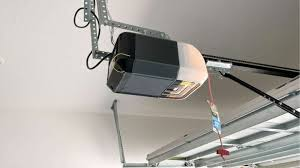
What Does Horsepower Mean in Garage Door Openers?
Horsepower (Hp) is a measure of motor power — how much work the garage door opener can do. In openers, Hp determines:
- Acceleration and force
- Ability to lift heavy doors
- Smoothness of operation
Read too: Tc1 Tricode Garage Door Opener Remote W/ Clip Chamberlain: Complete Guide
For context, a garage door opener motor doesn’t drive a car — it moves a door that might weigh several hundred pounds. The correct Hp ensures reliable and safe performance.
For general background on garage door systems, you can refer to Wikipedia’s garage door page: https://en.wikipedia.org/wiki/Garage_door
Comparing 1/2 Hp Vs 3/4 Hp Garage Door Opener — Basics
Here’s a quick snapshot before we dig deeper:
| Feature | 1/2 Hp Opener | 3/4 Hp Opener |
|---|---|---|
| Best for | Standard doors | Heavy / high‑use doors |
| Power | Lower torque | Higher torque |
| Noise | Often quieter | Slightly louder |
| Cost | More affordable | Higher upfront cost |
| Durability | Good | Excellent under heavy load |
Understanding these differences helps you match the opener to your specific door needs.
1/2 Hp Garage Door Opener — Pros & Cons
Advantages
- Affordable: Lower upfront cost makes it a popular choice.
- Sufficient Power for Most Homes: Works well with single and light double doors.
- Energy Efficient: Uses less power when cycling.
Limitations
- Not Ideal for Heavy Doors: Struggles with insulated or solid wood doors.
- Shorter Lifespan Under Heavy Use: Frequent cycles can wear it faster.
- Less Torque: May operate slower with higher resistance doors.
Who should choose 1/2 Hp?
Homeowners with standard single or double doors (light to moderate weight) and moderate daily use (2–4 cycles per day).
3/4 Hp Garage Door Opener — Pros & Cons
Advantages
- More Lifting Power: Better for heavier, insulated, or larger doors.
- Longer Service Life: Handles frequent use with less wear.
- Stronger Torque: Faster and smoother door travel.
Limitations
- Higher Cost: More expensive than 1/2 Hp units.
- Slightly More Noise: Higher power can mean louder operation.
- Potentially Higher Energy Draw: Uses more electricity under load.
Who should choose 3/4 Hp?
Owners with heavy insulated doors, high‑usage garages, or commercial doors.
1/2 Hp Vs 3/4 Hp Garage Door Opener — What Do Experts Say?
Garage door professionals weigh motor strength, door weight, and usage frequency when recommending openers:
“A 3/4 Hp opener lasts longer and handles stress better — especially on heavy or frequently‑used doors.” — Residential Garage Tech Review, 2025
Industry consensus highlights that a 3/4 Hp motor is more durable and suited for long‑term performance, particularly for doors over 250 lbs.
Door Weight and Opener Power — Match Them Properly
Your door weight is the most critical factor:
| Door Weight | Recommended Opener |
|---|---|
| Up to 250 lbs | 1/2 Hp |
| 250–350 lbs | 3/4 Hp |
| Above 350 lbs | 3/4 Hp or Higher (1 Hp) |
Heavier doors (insulated steel or wood) place higher torque demands on the opener. Using a 1/2 Hp with a heavy door often leads to motor strain and premature wear.
Performance & Noise Level Comparison
Many homeowners hesitate between power and peace. Here’s how these motors compare:
Sound Output
- 1/2 Hp: Often quieter in light cycles
- 3/4 Hp: Slightly louder due to stronger torque
Smoothness
- 1/2 Hp: Good under light load
- 3/4 Hp: More consistent under heavy load
If noise is a priority (e.g., living space above the garage), look for belt‑drive models, as they reduce sound regardless of Hp.
Energy Efficiency and Usage Costs
While higher horsepower can draw more amps during use, it doesn’t mean drastically higher energy bills over time. Garage door openers run in short bursts — minutes a day.
Example:
A 3/4 Hp unit running one cycle draws a bit more power than a 1/2 Hp unit, but total daily energy use remains minimal.
Installation and Maintenance Differences
When you install or service a garage door opener, Hp affects:
Installation
- 3/4 Hp: May require stronger mounting hardware depending on door weight
- 1/2 Hp: Standard mounting for typical doors
Maintenance
- 3/4 Hp: Better durability under heavy use means fewer service calls
- 1/2 Hp: More frequent lubrication and checks recommended if used heavily
Cost Comparison — What Should You Expect?
| Opener Type | Typical Price Range |
|---|---|
| 1/2 Hp Model | $150 – $300 |
| 3/4 Hp Model | $250 – $500 |
| Professional Installation | $100 – $250 |
Prices vary with features (belt vs. chain drive, smart connectivity, etc.). Budget around $400–$600 total for a reliable 3/4 Hp system with installation.
Smart Features & Connectivity — Does Hp Matter?
Horsepower doesn’t impact whether your opener is smart‑enabled. You can find Wi‑Fi connectivity, app control, and smartphone alerts in both Hp classes.
When choosing, balance features like:
- Remote access
- Door status notifications
- Integration with smart home systems
with motor power for a well‑rounded system.
FAQ — 1/2 Hp Vs 3/4 Hp Garage Door Opener
1. Can a 1/2 Hp opener work on a double garage door?
Yes, if the door is light to moderate in weight. For heavier or insulated double doors, a 3/4 Hp is more reliable.
2. Is a 3/4 Hp opener louder than a 1/2 Hp?
Slightly, but modern belt‑drive models minimize noise regardless of horsepower.
3. Will a 3/4 Hp opener last longer?
Generally, yes — especially under heavy use or with heavier doors.
4. Do I need professional installation?
Professional installation is recommended to ensure safety, proper balance, and motor alignment.
5. Can I upgrade my existing opener to a higher Hp?
Yes — as long as the mounting and electrical setup supports it.
6. Does higher horsepower mean higher energy bills?
Not significantly. Garage door openers run briefly, and energy use remains low overall.
Conclusion
When comparing 1/2 Hp Vs 3/4 Hp Garage Door Opener, think in terms of door weight, usage frequency, and long‑term reliability.
📌 Choose a 1/2 Hp opener for standard, light to medium doors and occasional use.
📌 Choose a 3/4 Hp opener if you have a heavy, insulated door or high daily cycles — it offers greater durability and smoother performance.
Selecting the right opener power means better performance, fewer repairs, and longer lasting satisfaction with your garage door system.
📣 Found this comparison helpful? Share it with friends or on social media to help others choose the right opener!
Leave a Reply